Prohibition-era American organised crime developed after the Eighteenth Amendment and the Volstead Act made the production and sale of alcoholic drinks illegal across the United States. Bootlegging, speakeasies, bribery, smuggling and territorial violence gave urban gangs new opportunities. Cities such as New York and Chicago became associated with criminal syndicates that combined family networks, business discipline and street force.
This context matters because Prohibition did not create criminal organisations from nothing, but it gave them a profitable national market and a reason to professionalise. Rivalries over supply routes, political influence and neighbourhood control produced murders, alliances and new structures of authority. The economic shock of the Great Depression then changed both the opportunities and the pressures facing criminal groups.
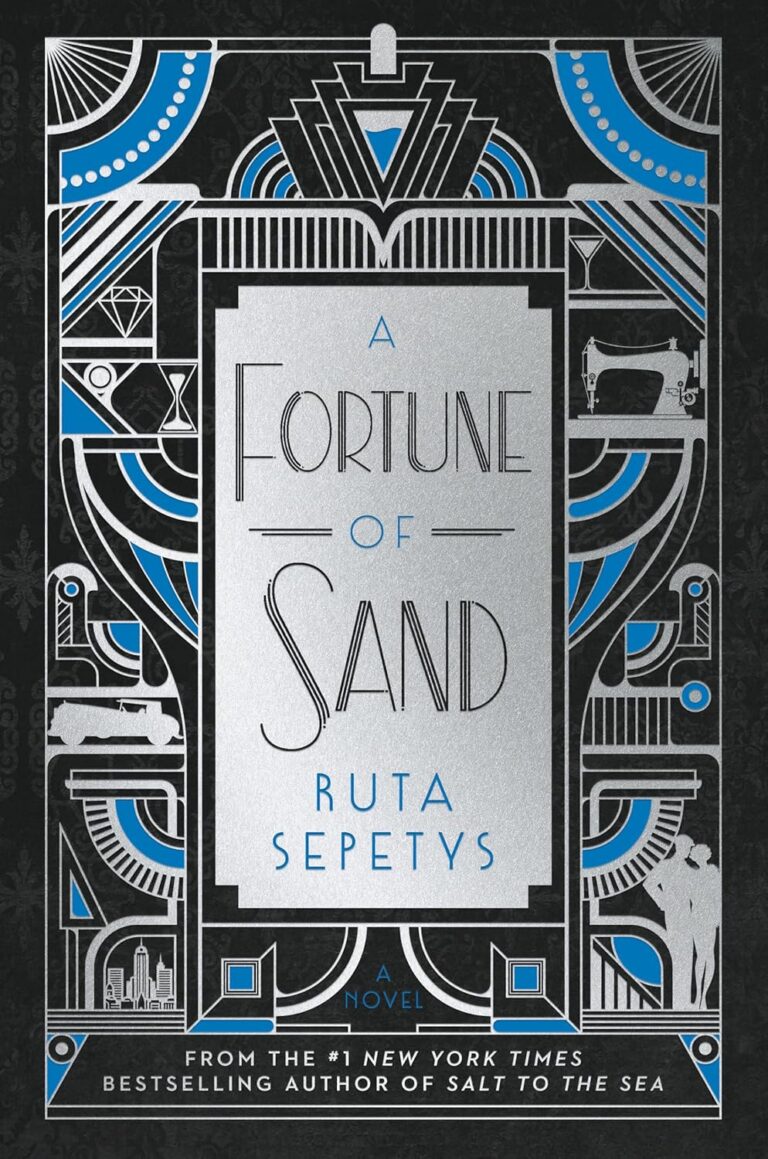
Historical crime fiction uses this world for stories about immigrant families, corrupt officials, nightclub culture, police pressure, revenge and the blurred line between business and violence. Books set here can include real figures such as Al Capone and Lucky Luciano while still following fictional families caught inside the rise of modern American organised crime.