
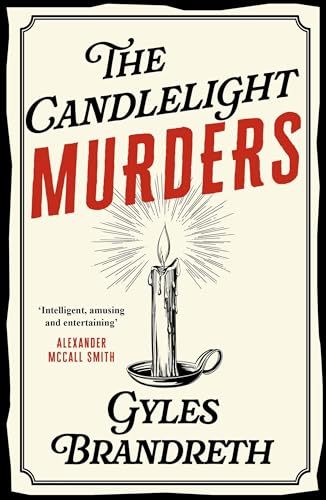
#1 – The Candlelight Murders
London, 1889. Oscar Wilde discovers the body of a young acquaintance in a candlelit attic, his throat cut and the room arranged with disturbing care. Unwilling to leave the death to a routine investigation, Wilde seeks the help of Arthur Conan Doyle and begins tracing the…
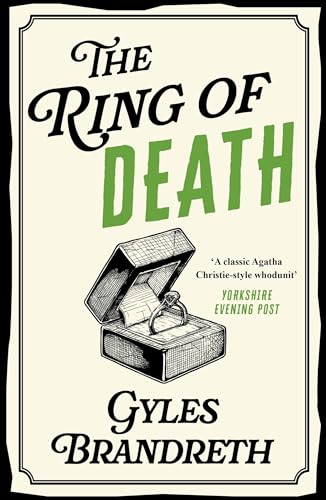
#2 – The Ring of Death
At one of Oscar Wilde’s Sunday supper clubs in London in 1892, the guests play a game in which each person writes down the name of someone they would most like to kill. The amusement turns sinister when the named people begin dying in the order…
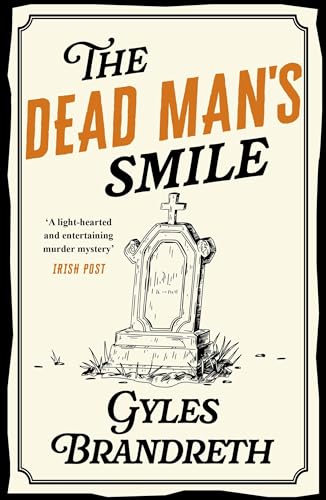
#3 – The Dead Man’s Smile
Paris, 1883. Oscar Wilde joins the city’s theatrical and artistic world while a company prepares a production of Hamlet. When a member of the theatre crew dies in circumstances dismissed as accidental, Wilde suspects that the apparent mishap conceals a deliberate killing. Further deaths expose rivalries…
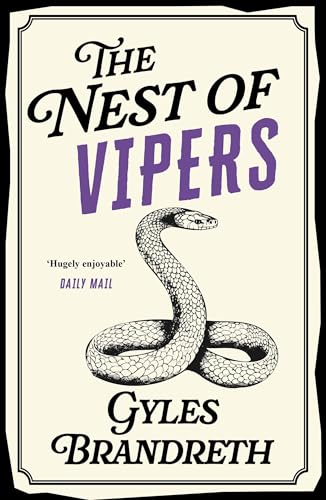
#4 – The Nest of Vipers
In 1890, Oscar Wilde and Arthur Conan Doyle attend an aristocratic house party also visited by the Prince of Wales. The evening ends when the Duchess of Albemarle is found murdered inside a house from which no guest appears to have entered or escaped, and puncture…
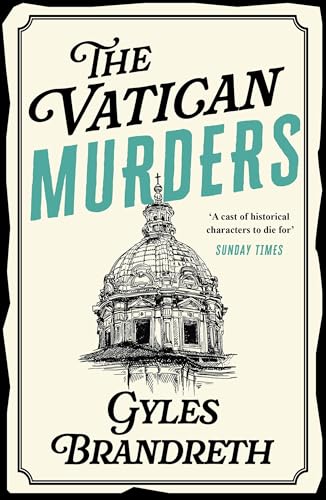
#5 – The Vatican Murders
In 1892, Arthur Conan Doyle receives a succession of parcels addressed to Sherlock Holmes. Each contains a human remain—a lock of hair, a severed finger and eventually a dead man’s hand—and the only consistent clue is a Roman postmark. Oscar Wilde persuades Doyle to travel with…
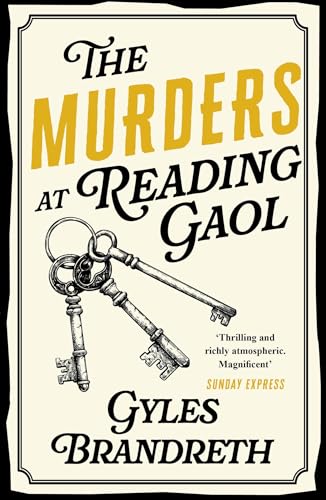
#6 – The Murders at Reading Gaol
Reading, 1897. Oscar Wilde is serving his prison sentence under a regime designed to isolate and break its inmates. When a warden and the prison chaplain are murdered, the circumstances seem impossible because the prisoners were confined to their cells when each killing occurred. With little…
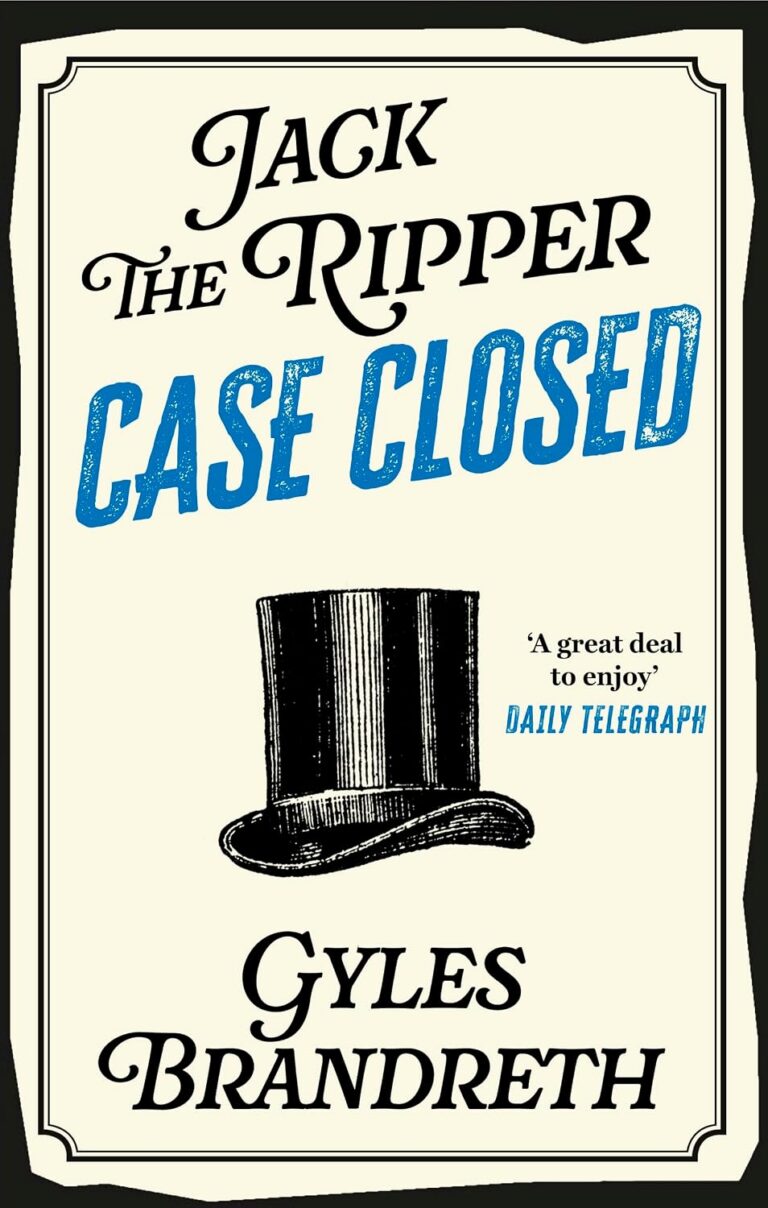
#7 – Jack the Ripper
London, 1894. Police official Melville Macnaghten brings Oscar Wilde and Arthur Conan Doyle into a renewed investigation of the Whitechapel murders. The possibility that Jack the Ripper has returned forces them to reconsider the earlier crimes and the assumptions on which the police inquiry was built.…