Elgin inherited his earldom as a child and entered diplomatic and military service. As British ambassador to the Ottoman Empire from 1799, he sponsored the recording of antiquities in Athens and authorised agents to remove sculptures and architectural pieces from the Acropolis. The collection was later purchased by the British government and placed in the British Museum.
The legality and ethics of the removal have been disputed since Elgin's lifetime, including criticism from Lord Byron. Historical thrillers can use the controversy and the market for classical antiquities as a basis for conspiracy, but particular death threats, murders and secret societies require identification as fiction.
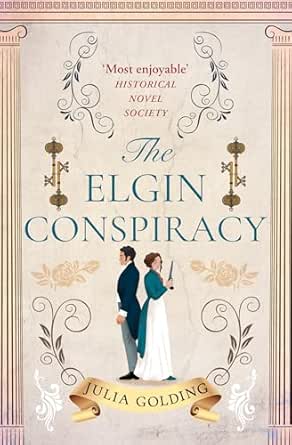
In Julia Golding’s The Elgin Conspiracy, a death threat against Lord Elgin draws Dora Fitz-Pennington and Jacob Sandys into the bitter controversy surrounding the classical sculptures removed from Athens.
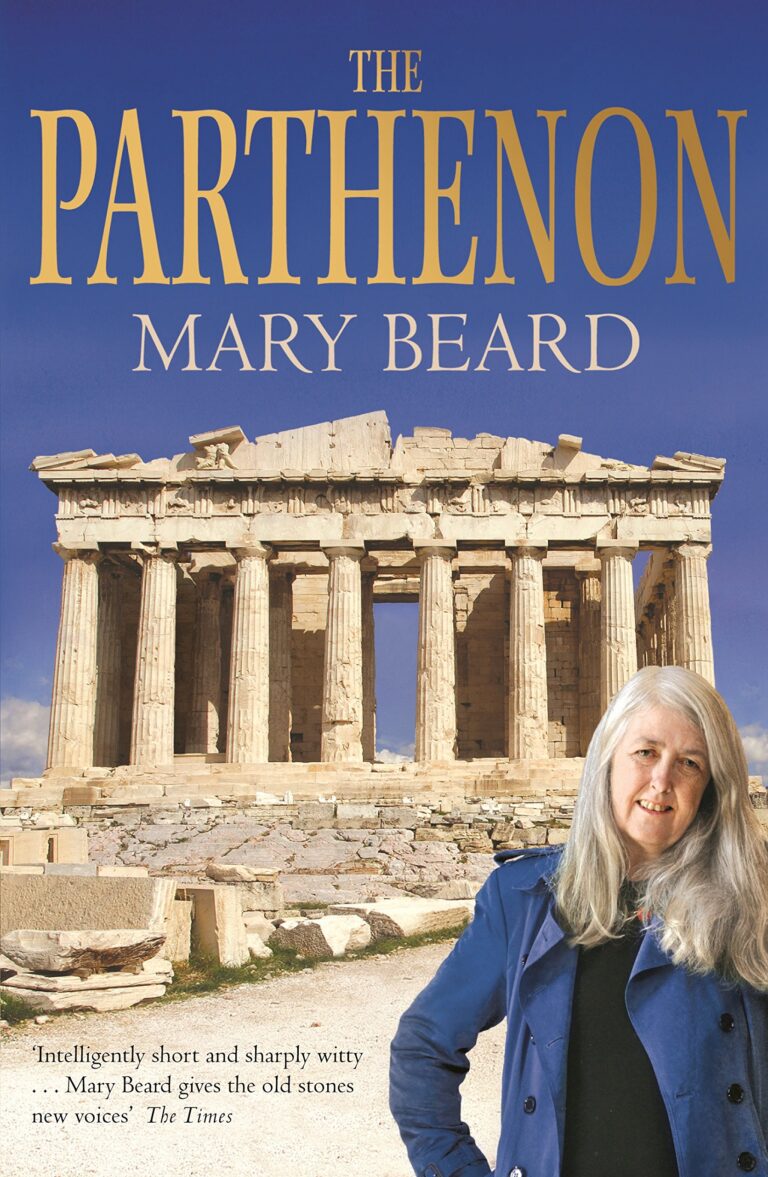
In non-fiction, Thomas Bruce, 7th Earl of Elgin is discussed in Mary Beard’s The Parthenon. Mary Beard’s The Parthenon approaches the subject through religion, belief and institutional authority, social change and the pressures of ordinary life, and political ambition and government.