Historical person
Socrates
471 BCE–400 BCE
Socrates was an Athenian philosopher whose questioning method and trial became central to the history of Western thought. Known through writers such as Plato and Xenophon, he was executed in 399 BC after being convicted of impiety and corrupting the youth.
For Historical Bookshelf, this entry is best treated as a historical or literary figure rather than a fictional character. It can support pages where novels refer to writers, playwrights, philosophers or scholars as part of a period’s intellectual background.
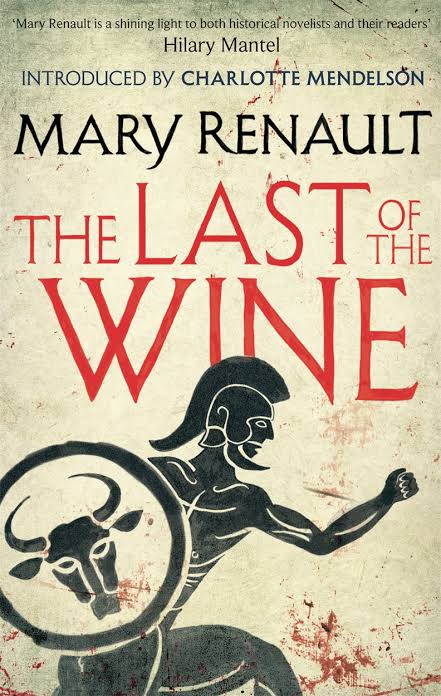
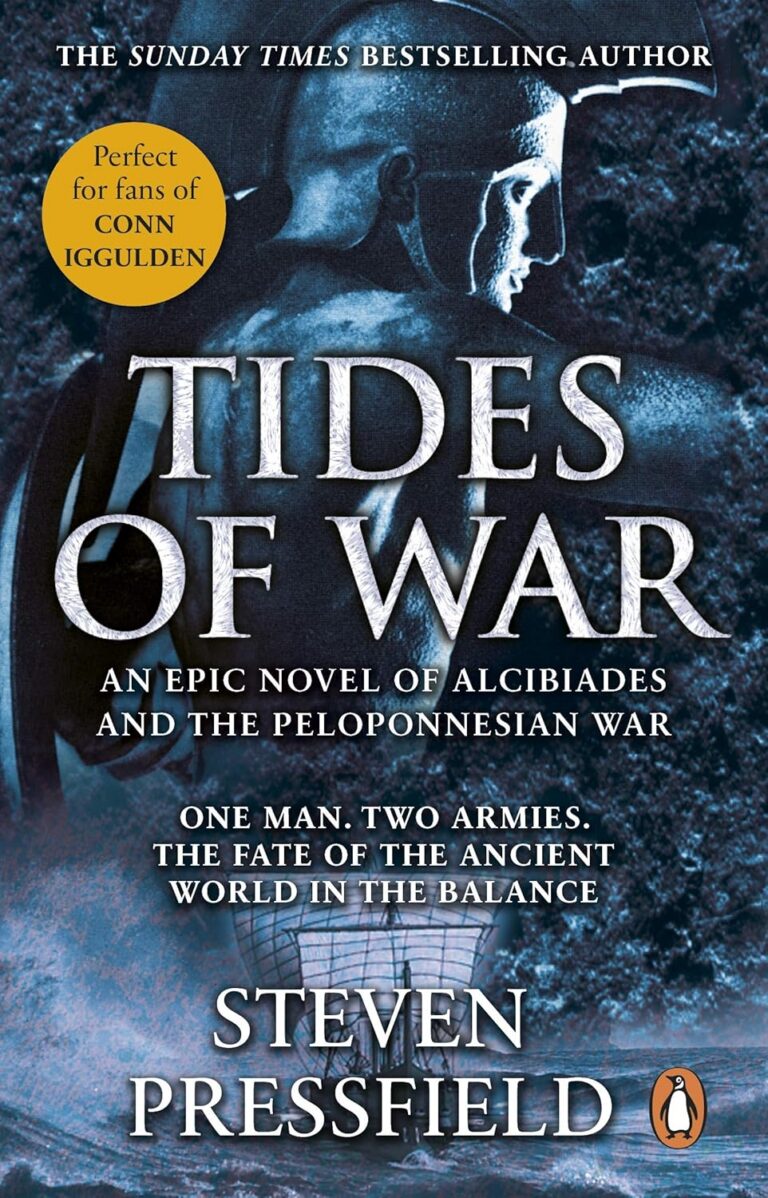
In Mary Renault’s The Last of the Wine, his love for the older athlete Lysis draws him into the circle of Socrates, where philosophical argument coexists with military service, family expectation and the instability of democratic Athens. Steven Pressfield’s Tides of War places Socrates within a narrative shaped by political ambition and government, exploration, travel and cultural encounter, and court politics and dynastic power.
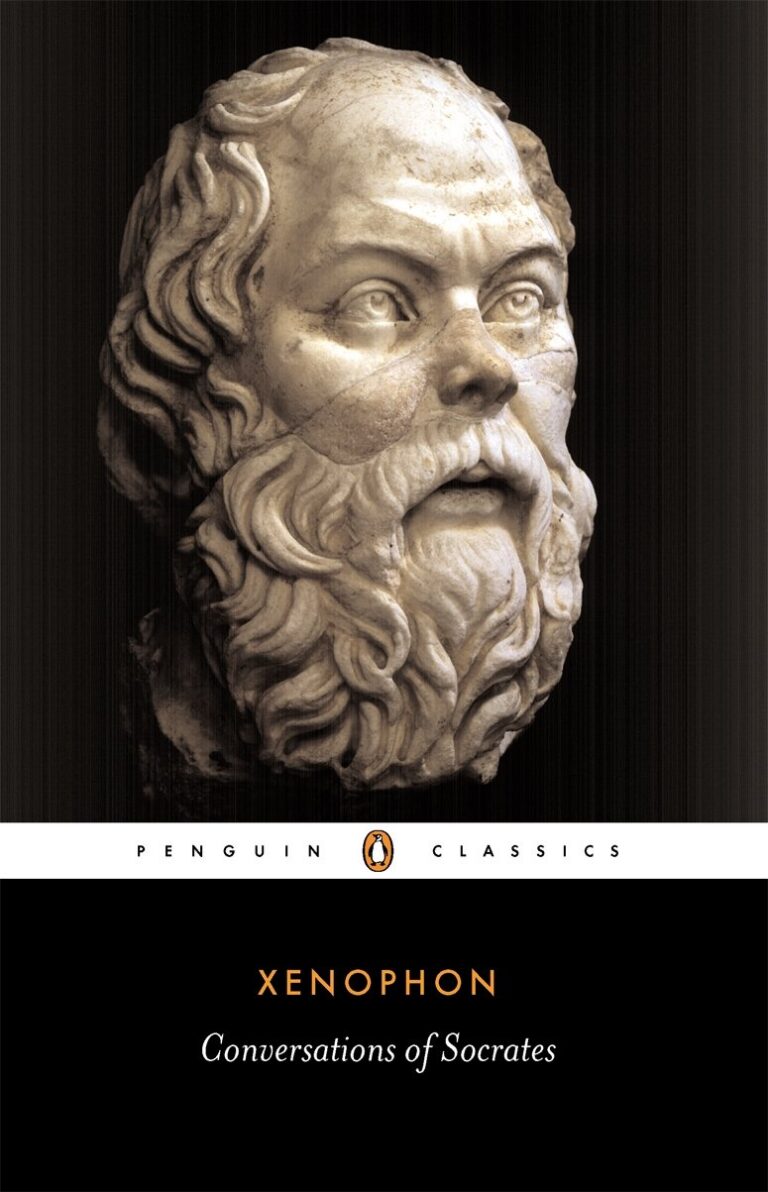
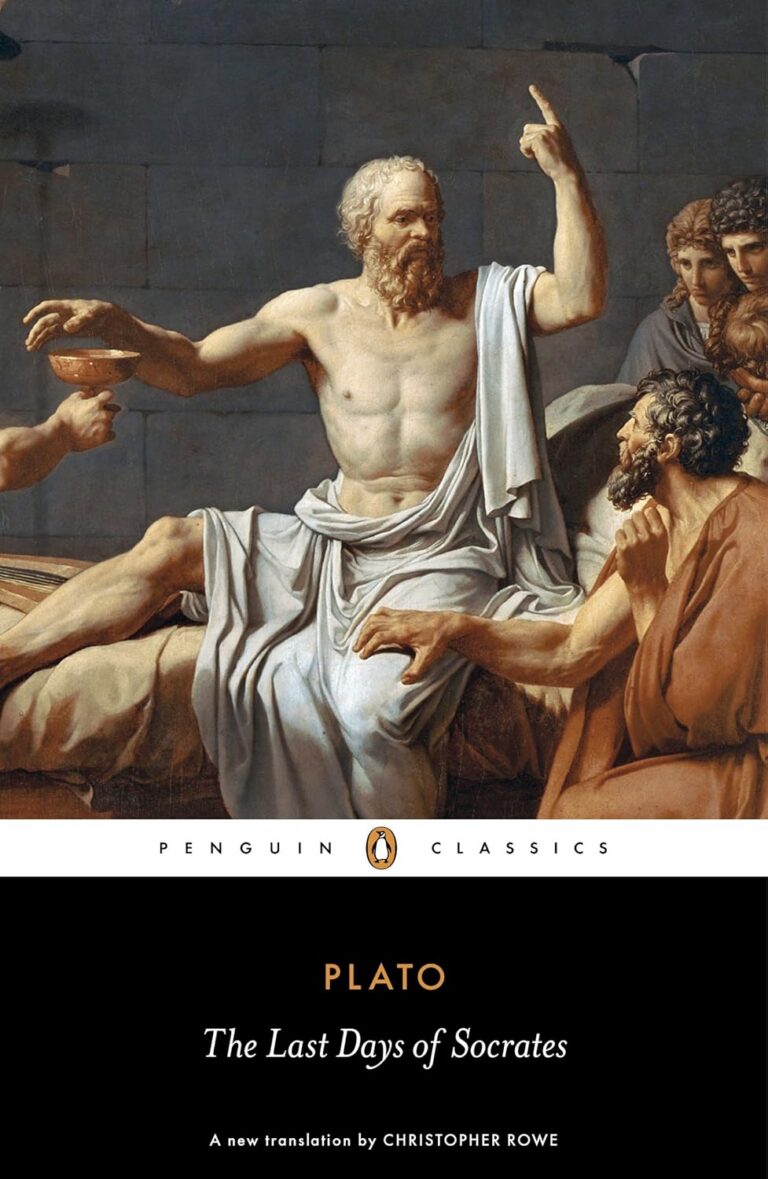
In non-fiction, Socrates is discussed in Xenophon’s Conversations of Socrates, Plato’s The Last Days of Socrates, Plato’s The Republic, Plato’s Gorgias, and Plato’s Symposium. In Xenophon’s Conversations of Socrates, Xenophon’s Socratic writings present Socrates through remembered conversations, courtroom defence and practical moral instruction.
Standalone books
Standalone books featuring Socrates (2 books)
Non Fiction
Non Fiction featuring Socrates (8 books)
Biographies, histories and other non-fiction are listed separately from the historical novels above.