c. 0s BCE–65
Seneca was a Roman Stoic philosopher, dramatist and adviser to Nero. His career combined moral writing with political power and immense wealth, ending in forced suicide after the Pisonian conspiracy.
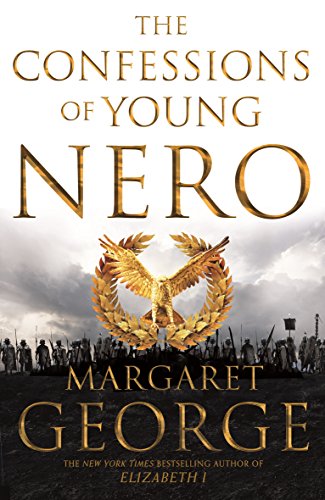
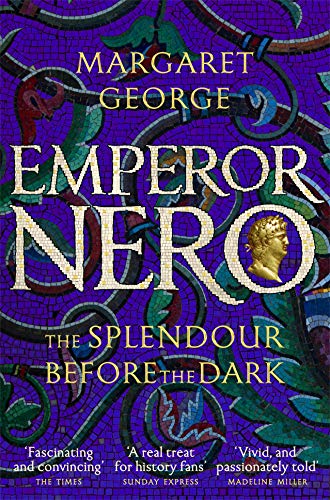
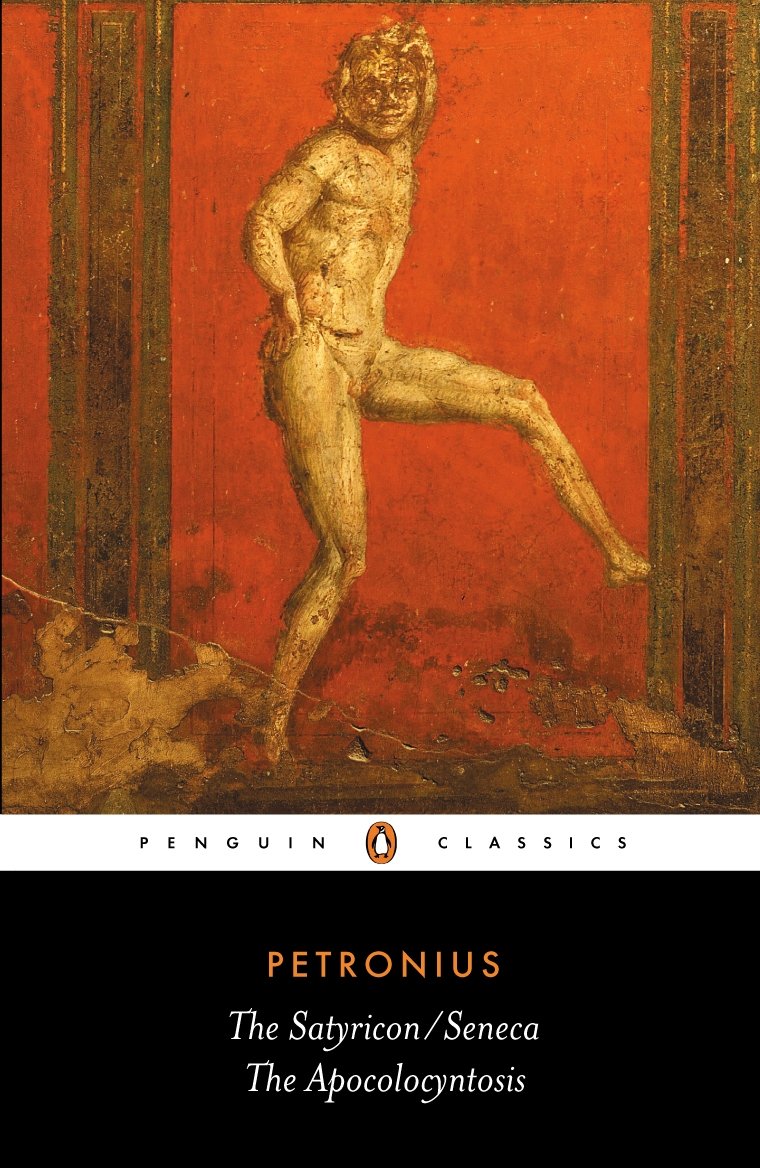
In Margaret George’s The Confessions of Young Nero, Nero enters power at sixteen under the guidance of Seneca and Burrus, yet he must also resist his mother’s expectation that she will rule through him. In Margaret George’s Emperor Nero, the narrative covers the Pisonian conspiracy and the enforced deaths of figures including Seneca, Lucan and Petronius, followed by Poppaea’s death, Nero’s artistic tour of Greece and the final revolts against his government. Other novels featuring Seneca include Petronius’s The Satyricon and the Apocolocyntosis.
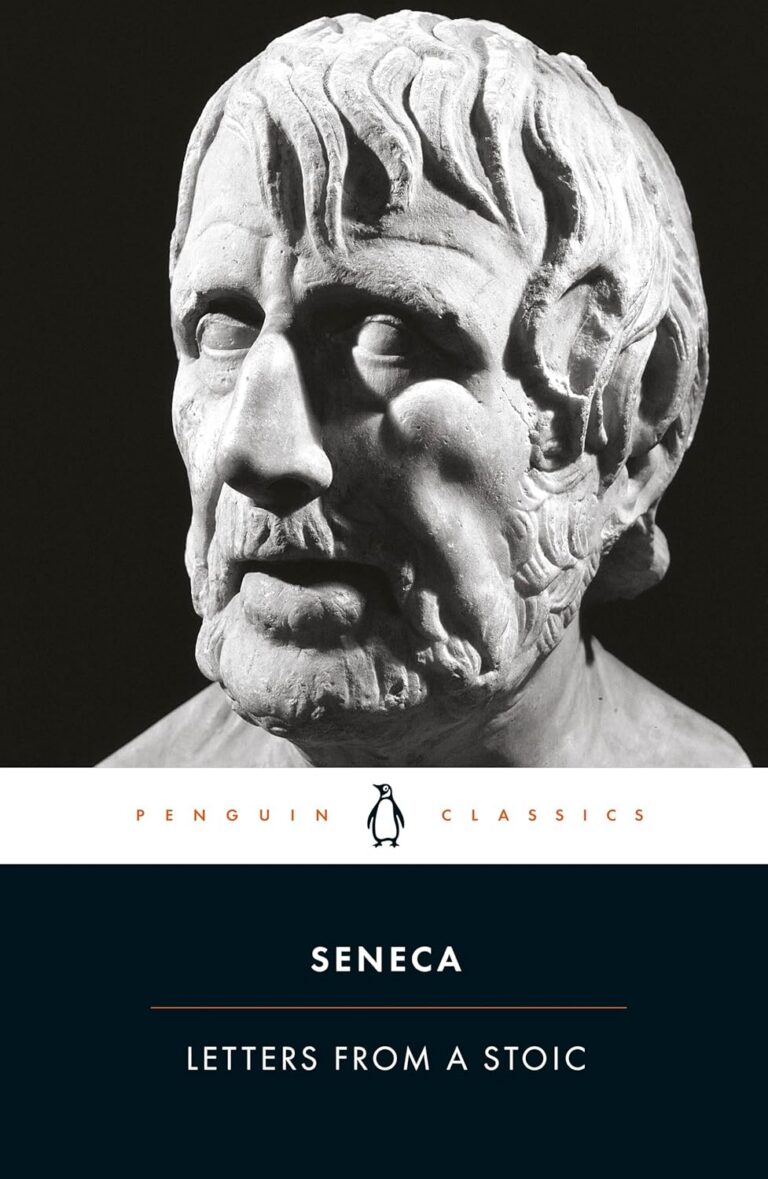
In non-fiction, Seneca is discussed in Seneca’s Letters from a Stoic. Seneca’s Letters from a Stoic approaches the subject through empire, conquest and resistance, political ambition and government, and art, learning and intellectual life.