As an Amazon Associate, I earn from qualifying purchases. This means if you click on a link and make a purchase, I may receive a small commission at no extra cost to you.

Home / People / Robert Pennant

Historical person

Robert Pennant

died 1168

Robert of Shrewsbury, often called Robert Pennant in later accounts and fiction, was a Benedictine monk, hagiographer and prior of Shrewsbury Abbey. In the 1130s he led the mission that transferred the reputed relics of Saint Winifred from Gwytherin to Shrewsbury and wrote an influential life of the saint. He later became abbot of Shrewsbury, serving from 1148 until his death in 1168. The translation helped make the abbey a major pilgrimage centre.

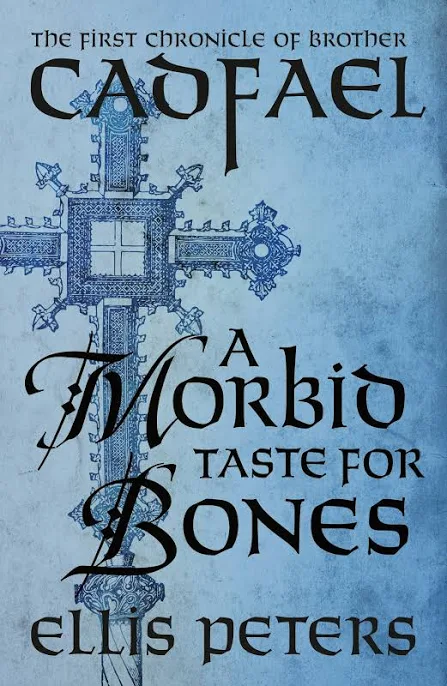
Ellis Peters transforms Prior Robert Pennant into a recurring character in the Brother Cadfael series, beginning with A Morbid Taste for Bones, which fictionalises the acquisition of Winifred’s relics. He is usually portrayed as aristocratic, ambitious and convinced of his own correctness. The novels deliberately separate their fictional outcome from Robert’s historical account while making his cult-building project central to Shrewsbury life.

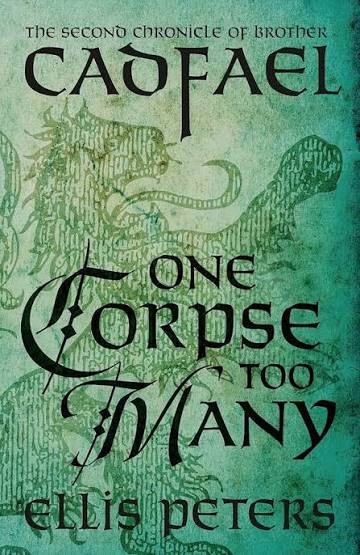
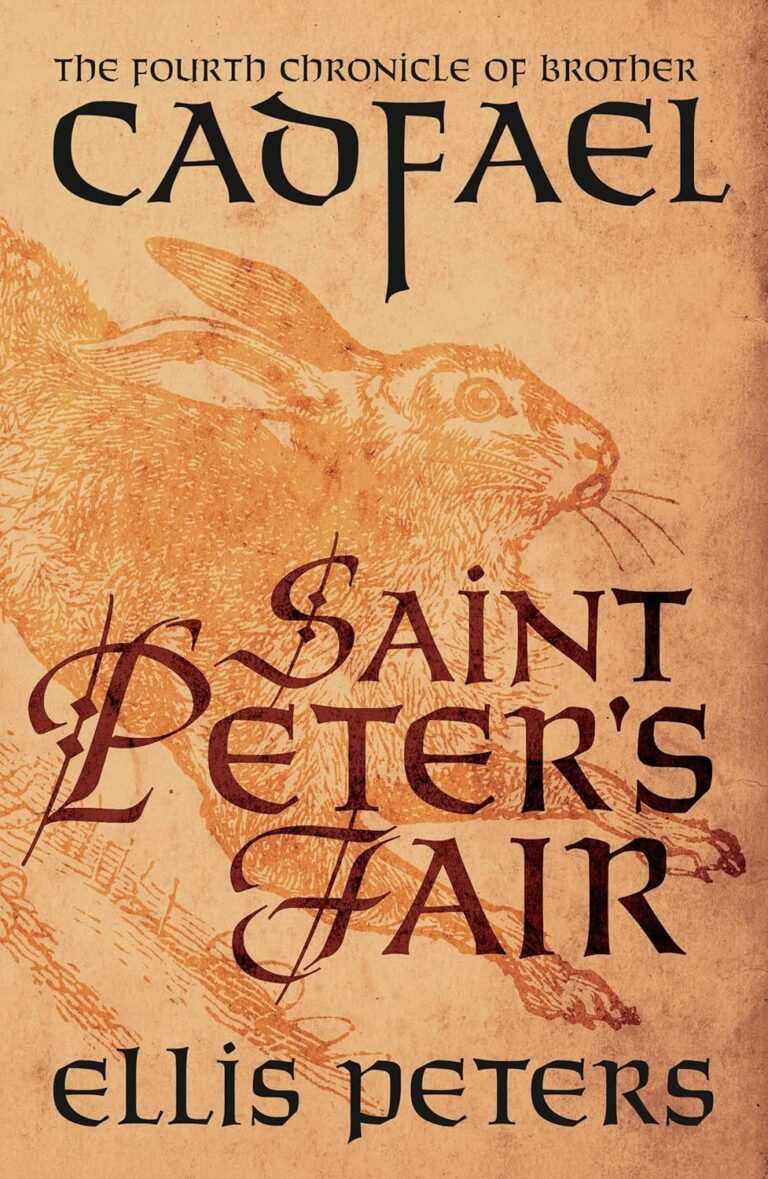
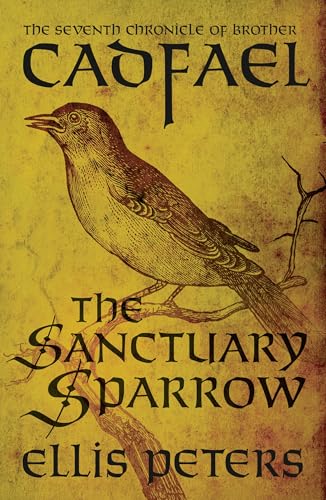
Ellis Peters’s One Corpse Too Many places Robert Pennant within a narrative shaped by military command and battlefield decision-making, crime, espionage and covert power, and court politics and dynastic power. Ellis Peters’s Monk’s Hood places Robert Pennant within a narrative shaped by crime, espionage and covert power, social change and the pressures of ordinary life, and military command and battlefield decision-making. Other novels featuring Robert Pennant include Ellis Peters’s Saint Peter’s Fair, Ellis Peters’s The Virgin in the Ice, Ellis Peters’s The Devil’s Novice, Ellis Peters’s The Sanctuary Sparrow, and Ellis Peters’s Dead Man’s Ransom.

Series

Series featuring Robert Pennant (1 series)

Chronicles of Brother Cadfael in Order

by Ellis Peters 19 books 4.5

The Chronicles of Brother Cadfael follow a former soldier and crusader who has become the herbalist of Shrewsbury Abbey. Between 1137 and 1145, Cadfael investigates deaths, disappearances and disputed identities while working within the rhythms of Benedictine life and the law of medieval England. The twenty novels unfold…

All books in this series