c. 495–429 BCE
Pericles was an Athenian statesman and general who dominated the city’s politics during much of the mid-fifth century BC. He promoted democratic participation for male citizens, directed imperial policy through the Delian League and sponsored the building programme that produced the Parthenon. His strategy at the beginning of the Peloponnesian War brought the rural population behind Athens’s walls, where plague caused devastating losses. Pericles died during the epidemic in 429 BC.
Pericles appears in Steven Pressfield’s Tides of War and in Christian Cameron’s Greek historical novels. Fiction often portrays his Athens as the height of democracy, art and intellectual freedom, but the same city ruled an empire and coerced allied states. The plague and political reaction to his strategy give novelists a powerful way to test the distance between public rhetoric and wartime suffering.
In Conn Iggulden’s Lion, Pericles comes of age in an Athens transformed by victory over Persia but divided over how its new power should be used.
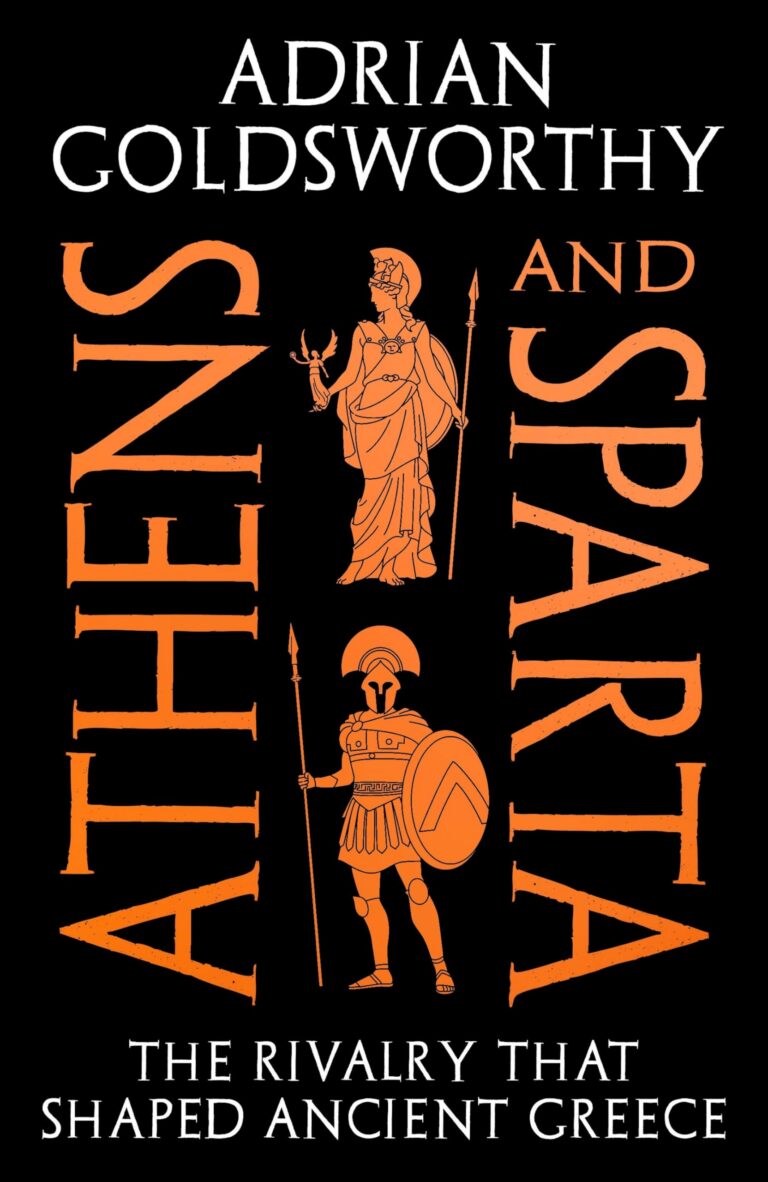
In non-fiction, Pericles is discussed in Plutarch’s The Rise and Fall of Athens and Adrian Goldsworthy’s Athens and Sparta. In Plutarch’s The Rise and Fall of Athens, this Plutarch collection gives biographical sources for Athens from legendary Theseus through Solon, Themistocles, Aristides, Cimon, Pericles, Nicias, Alcibiades and Lysander.