Pausanias was a Spartan prince who commanded the allied Greek army at the Battle of Plataea in 479 BC and helped end the Persian land invasion. He later led operations in the eastern Aegean but alienated allies through harsh and aristocratic behaviour. Accused of secret dealings with Persia and of plotting with helots, he took refuge in a temple at Sparta. The authorities sealed the building, and he died from starvation.
Pausanias appears in Christian Cameron’s Long War series and in other novels about the final campaigns of the Persian Wars. His movement from celebrated victor to suspected traitor offers a natural tragic arc. The evidence for his Persian conspiracy is disputed, allowing fiction to choose between corruption, political entrapment and the fear generated by an unusually powerful Spartan commander.
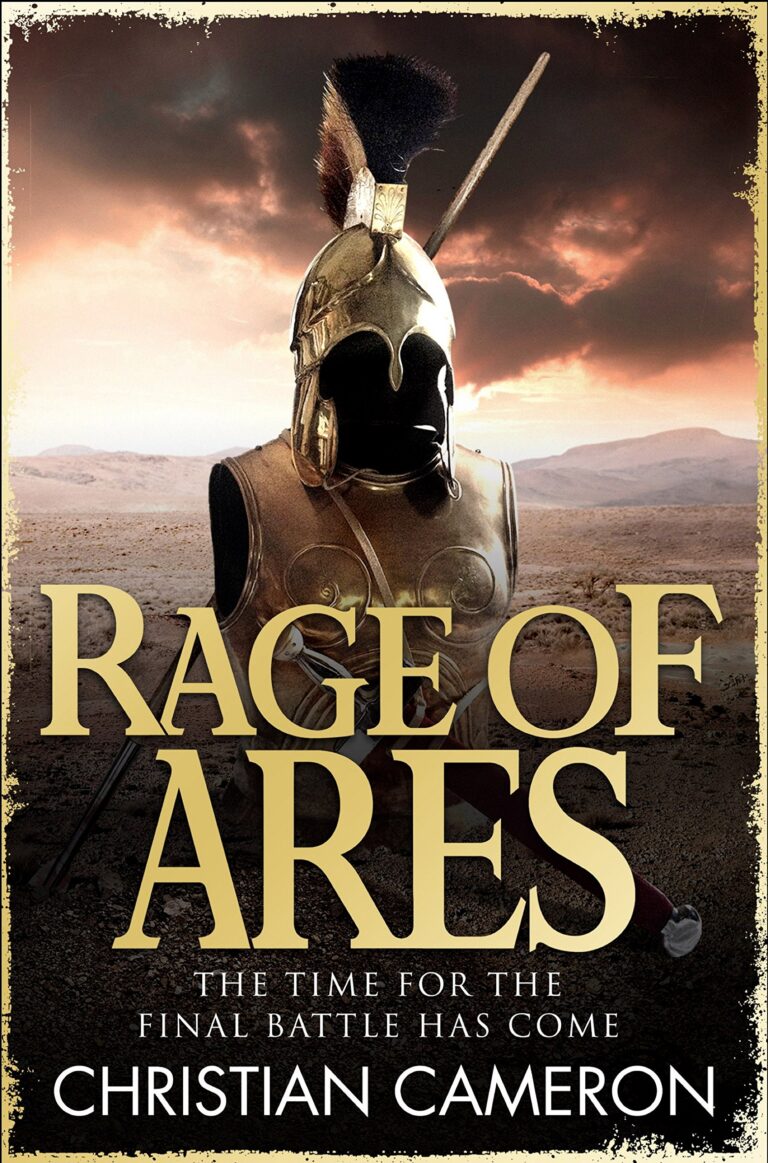
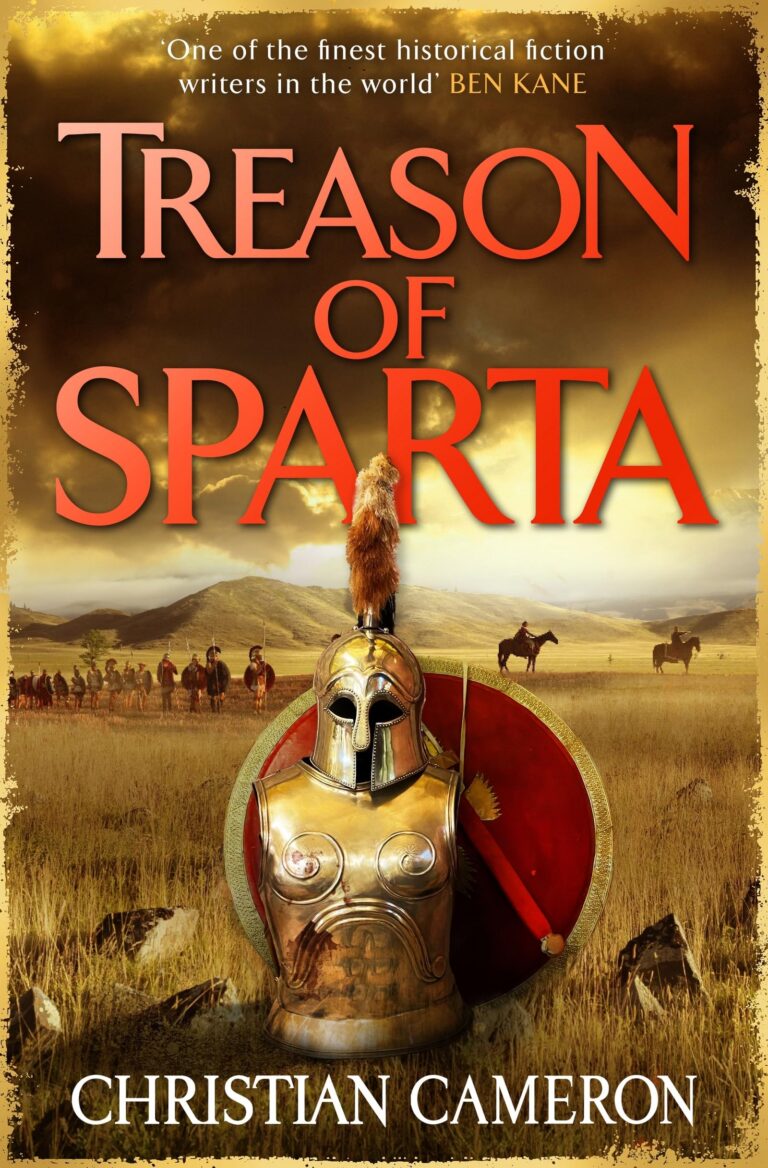
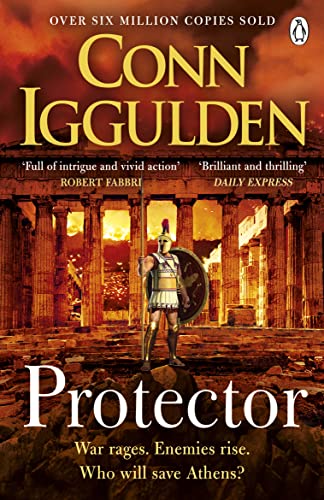
Christian Cameron’s Rage of Ares is set after the Persian fleet is defeated at Salamis, Mardonius remains in Greece with a powerful land army and attempts to divide the alliance that opposes him. Conn Iggulden’s Protector places Pausanias within a narrative shaped by military command and battlefield decision-making, political ambition and government, and exploration, travel and cultural encounter. Other novels featuring Pausanias include Christian Cameron’s Treason of Sparta.