Napoleon III, born Louis-Napoléon Bonaparte, was elected president of the French Second Republic in 1848, seized power in a coup in 1851 and proclaimed the Second Empire. His government combined authoritarian control with economic development, railway expansion and the rebuilding of Paris under Haussmann. Foreign adventures brought mixed results, and defeat by Prussia at Sedan in 1870 ended the empire. He died in exile in England.
Émile Zola’s Rougon-Macquart novels, including His Excellency Eugène Rougon and The Kill, portray the society, speculation and political patronage of the Second Empire. Napoleon III often remains a distant source of favour and authority rather than a rounded protagonist. Fiction uses the glittering new Paris to expose corruption, displacement and instability beneath official modernisation.
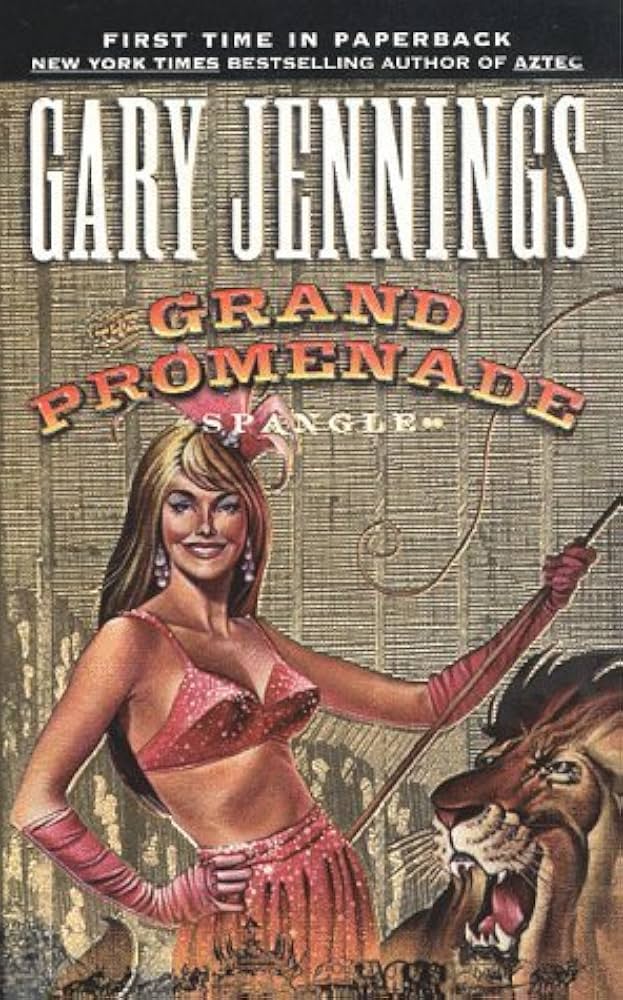
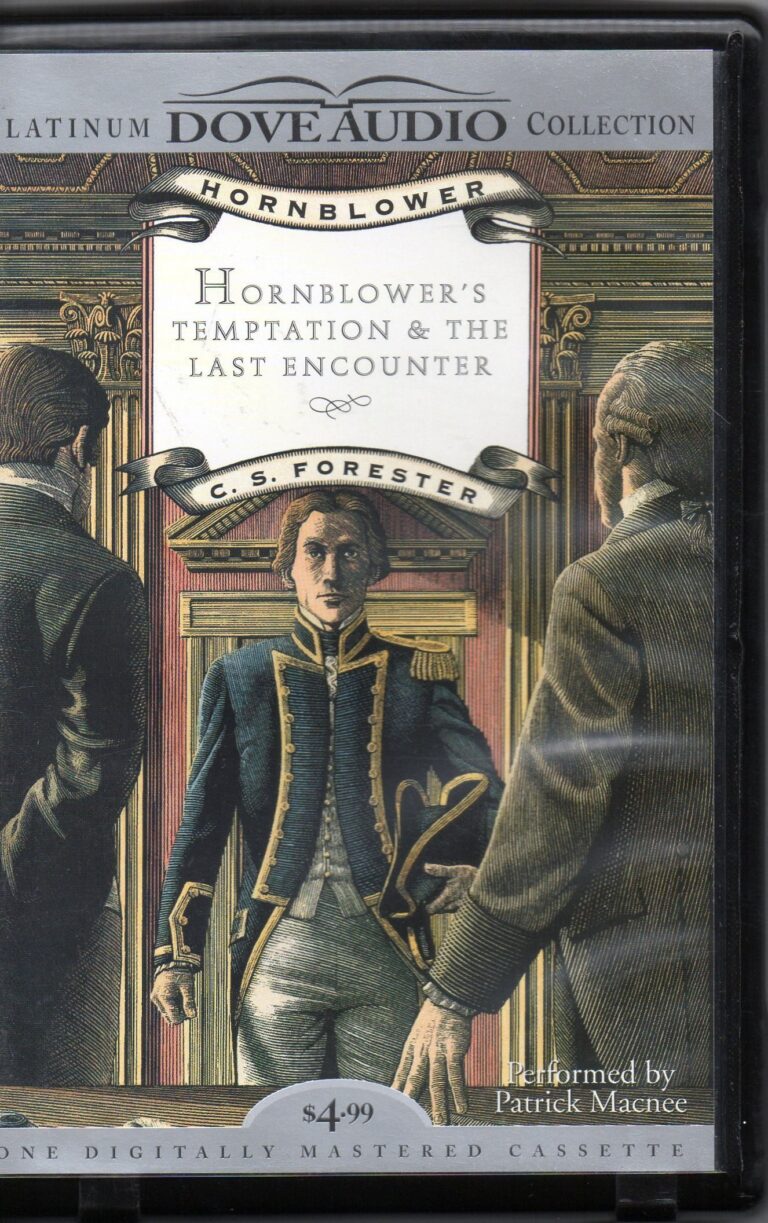
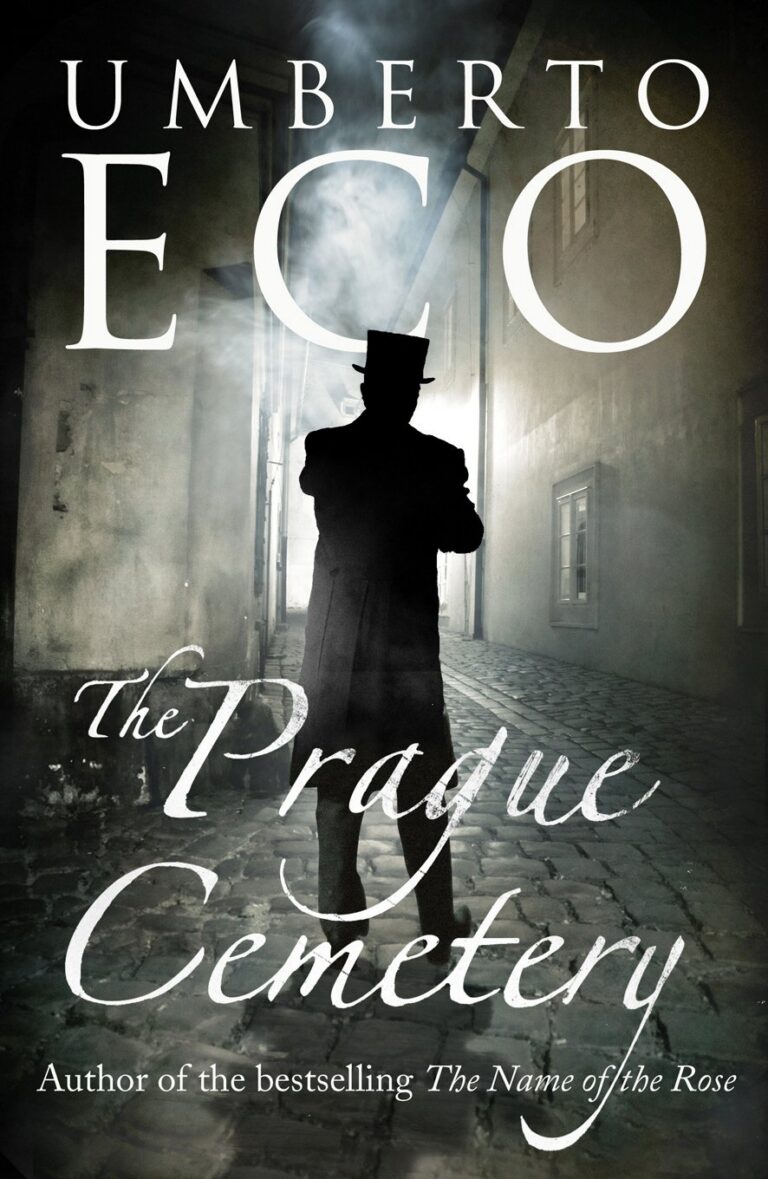
In Gary Jennings’s Spangle: The Grand Promenade, Paris under Napoleon III appears to offer the culmination of the troupe’s rise, but the Franco-Prussian War destroys the security of the capital. In C. S. Forester’s Hornblower’s Temptation and the Last Encounter, “Hornblower’s Temptation”, also known as “Hornblower and the Widow McCool”, is set during Hornblower’s early lieutenant years, while “The Last Encounter” follows the elderly Hornblower’s meeting with Louis-Napoléon Bonaparte in 1848. Other novels featuring Napoleon III include Umberto Eco’s The Prague Cemetery.