Mikhail Gorbachev led the Soviet Union from 1985 to 1991 and introduced the policies of perestroika and glasnost in an effort to reform a stagnating system. He reduced censorship, negotiated major arms agreements and declined to use large-scale force to preserve communist governments in eastern Europe. Reform also released political and national pressures that the central government could not control. The failed August 1991 coup accelerated the dissolution of the Soviet Union and ended his presidency.
Gorbachev is still more common in memoir, political thriller and alternate history than as the central character of established historical novels. Fiction about the final Cold War often uses him as the reforming leader whose decisions make rapid change possible but cannot determine its outcome. Portrayals vary between courageous peacemaker, failed reformer and inadvertent destroyer of the Soviet state.
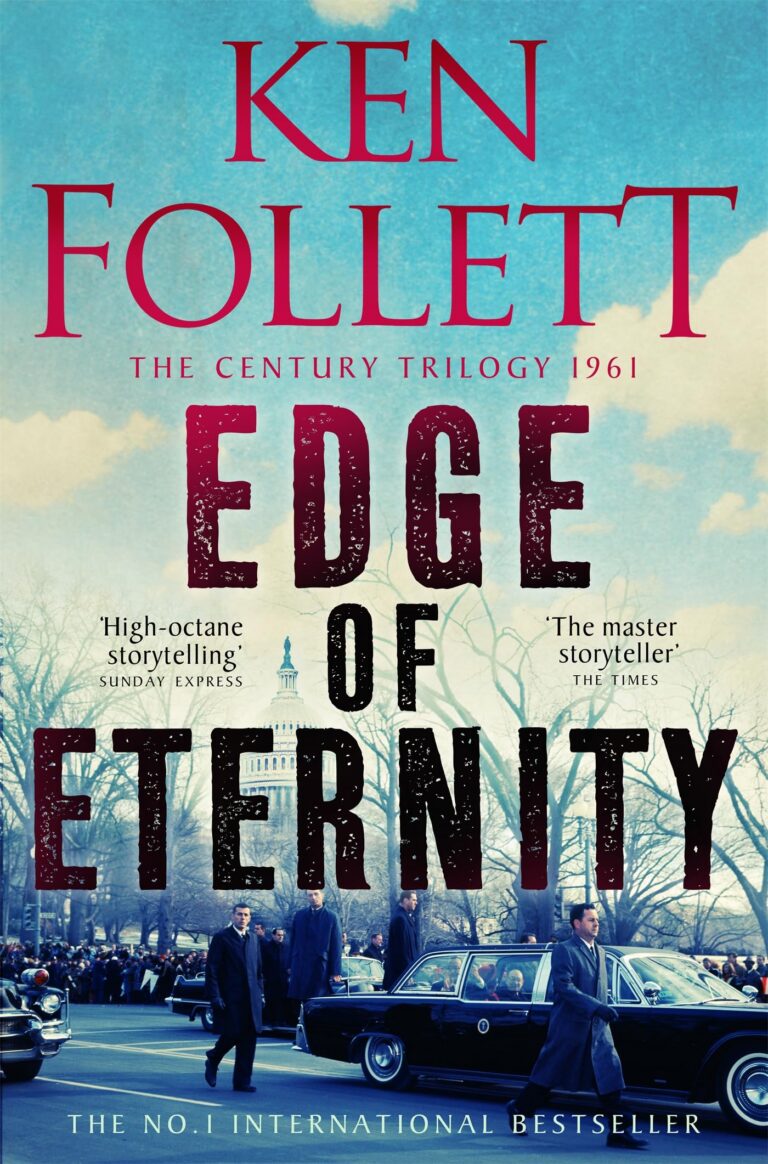
Ken Follett’s Edge of Eternity places Mikhail Gorbachev within a narrative shaped by political ambition and government and crime, espionage and covert power.