Mary, Queen of Scots, became queen of Scotland as an infant and was raised in France, where she married Francis II. Returning as a young widow, she attempted to rule a kingdom divided by religion and noble rivalry. Her marriage to Lord Darnley, his murder and her subsequent marriage to Bothwell led to rebellion and abdication. After fleeing to England, Mary spent nineteen years in captivity before Elizabeth I authorised her execution in 1587.
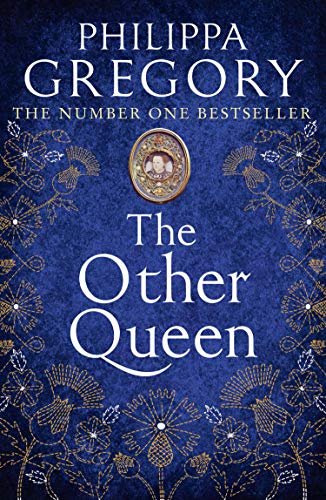
Margaret George’s Mary Queen of Scotland and the Isles and Philippa Gregory’s The Other Queen are major fictional treatments, while Dorothy Dunnett’s Lymond Chronicles portray the politics of her early reign. Fiction repeatedly debates whether Mary was romantic victim, reckless ruler or active conspirator. The evidence surrounding Darnley’s murder and the Casket Letters remains disputed, sustaining sharply different narratives.
In non-fiction, Mary, Queen of Scots is discussed in Antonia Fraser’s Mary Queen of Scots, Tracy Borman’s Elizabeth’s Women, Linda Porter’s Crown of Thistles, and Tracy Borman’s The Stolen Crown. Antonia Fraser’s Mary Queen of Scots approaches the subject through court politics and dynastic power, political ambition and government, and family, marriage and personal loyalty.