Mary of Guise was a French noblewoman who became queen of Scots through marriage to James V and mother of Mary, Queen of Scots. Widowed in 1542, she gradually secured the regency and governed during conflict with England and the growth of Protestant reform. She relied on French military support, which allowed opponents to portray her as an agent of foreign domination. Mary died in 1560 while besieged in Edinburgh Castle, shortly before a settlement transformed Scotland’s religious order.
Mary is a major historical presence in Dorothy Dunnett’s Lymond Chronicles and appears in Jean Plaidy’s novels about Mary, Queen of Scots. Fiction often portrays her as an intelligent, resilient regent surrounded by hostile nobles and competing great powers. Her French identity is central to the drama but should not obscure the Scottish alliances on which her authority depended.
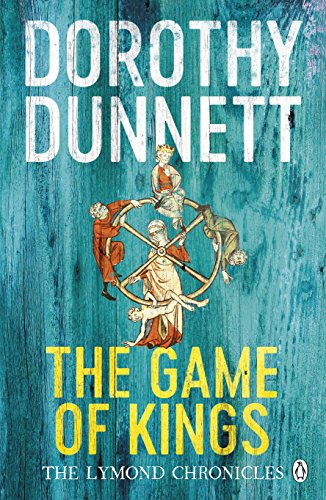
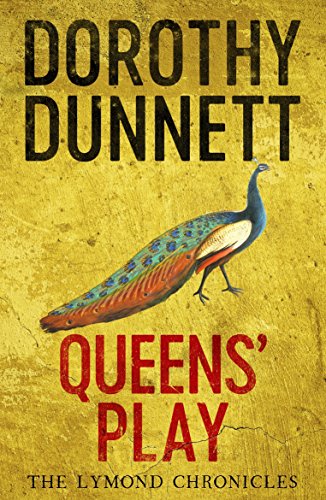
In Dorothy Dunnett’s Queens’ Play, in 1548, Lymond enters the French court under disguise after Mary of Guise asks him to protect the young Mary, Queen of Scots. Dorothy Dunnett’s The Game of Kings is set in 1547, Francis Crawford of Lymond returns secretly to a Scotland that regards him as a traitor, outlaw and possible English agent. Other novels featuring Mary of Guise include Jean Plaidy’s Royal Road to Fotheringhay.