Martin Luther King Jr. was a Baptist minister and one of the leading figures of the American civil-rights movement. He helped organise the Montgomery bus boycott, led the Southern Christian Leadership Conference and advocated nonviolent direct action against segregation and racial injustice. King received the Nobel Peace Prize in 1964 and increasingly addressed poverty and the Vietnam War. He was assassinated in Memphis in April 1968 while supporting striking sanitation workers.
King appears as a historical presence in novels for adults and younger readers about the civil-rights era, including Kekla Magoon’s The Rock and the River and Christopher Paul Curtis’s The Watsons Go to Birmingham—1963. These stories generally focus on fictional families or activists whose lives intersect with the movement. Fiction can convey King’s public influence while avoiding the mistake of reducing a mass movement to one leader.
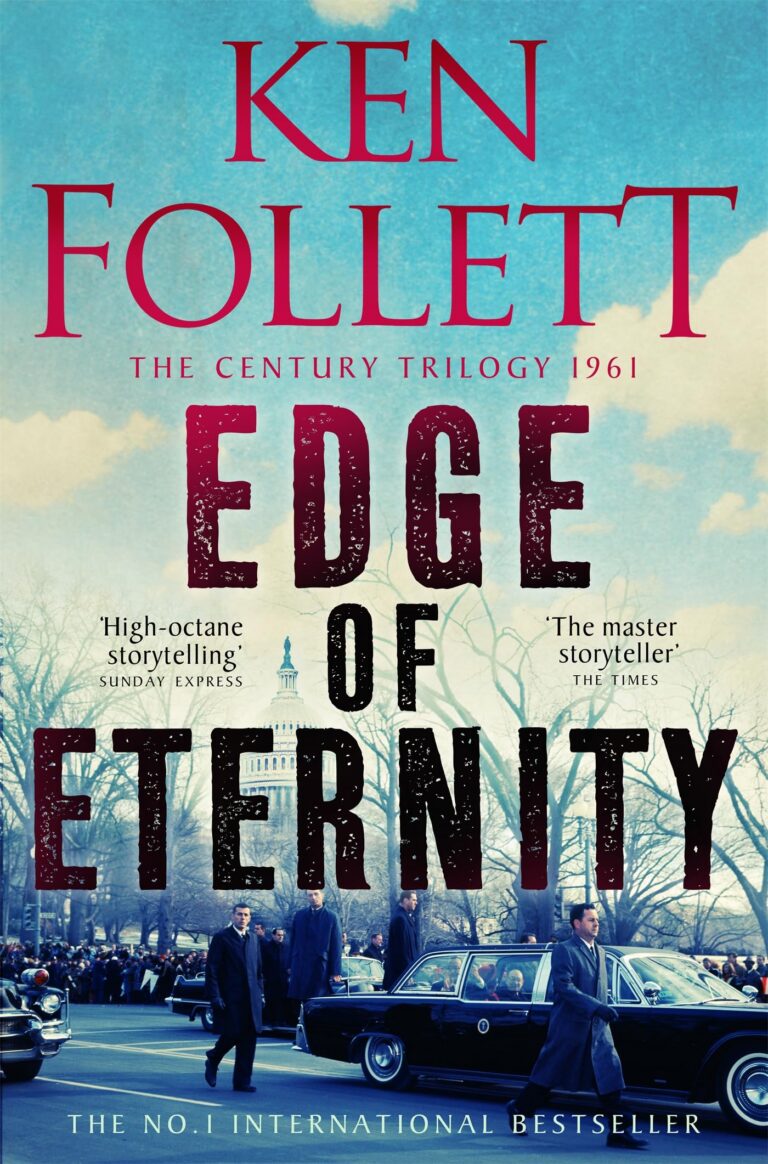
Ken Follett’s Edge of Eternity places Martin Luther King Jr. within a narrative shaped by political ambition and government and crime, espionage and covert power.