Kublai Khan was a grandson of Genghis Khan who became great khan after defeating his brother Ariq Böke and founded the Yuan dynasty in China. He completed the conquest of the Southern Song, established his capital at Dadu and adopted Chinese administrative practices while preserving Mongol privilege. His reign expanded trade and cultural exchange but also launched costly and unsuccessful invasions of Japan, Vietnam and Java.
Kublai is a major figure in Conn Iggulden’s Conqueror series, particularly the novels dealing with the Toluid civil war and conquest of China. He also appears in fiction inspired by Marco Polo’s travels. Novelists often contrast him with steppe traditionalists, presenting his adoption of Chinese statecraft as either creative imperial transformation or betrayal of Mongol identity.
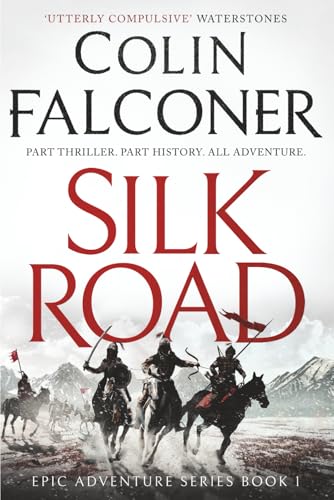
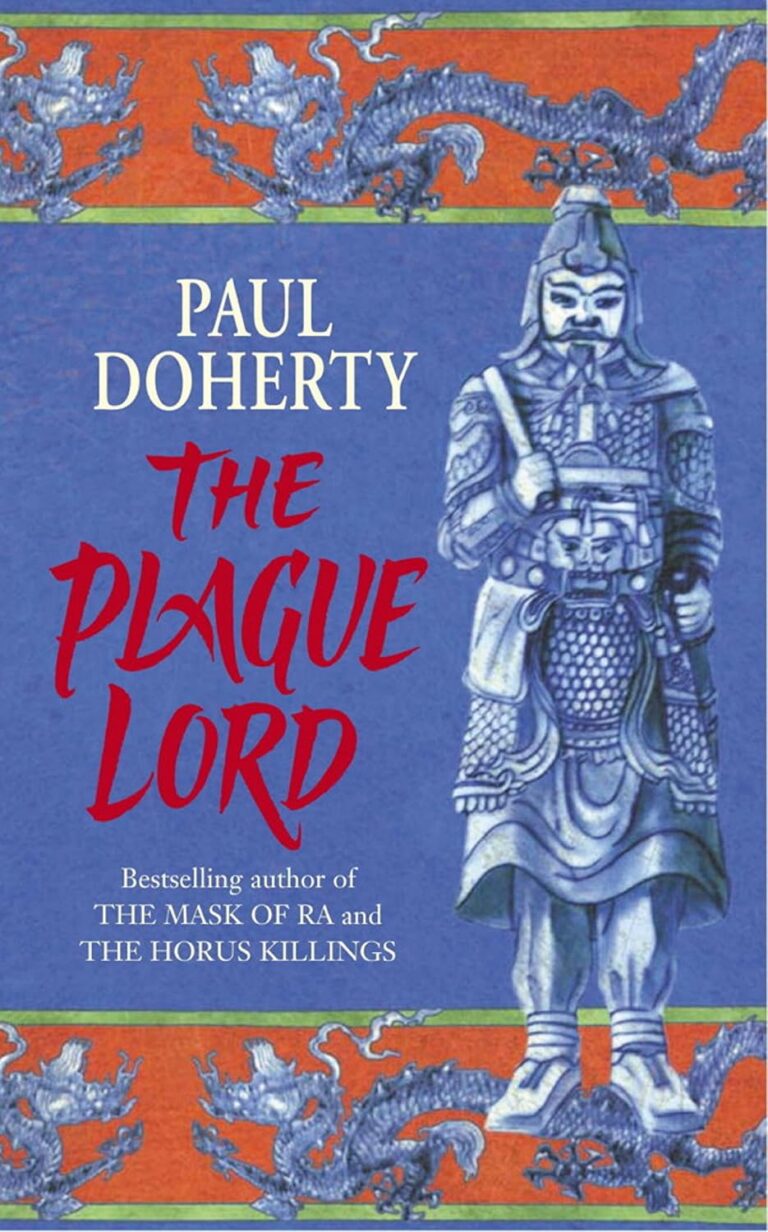
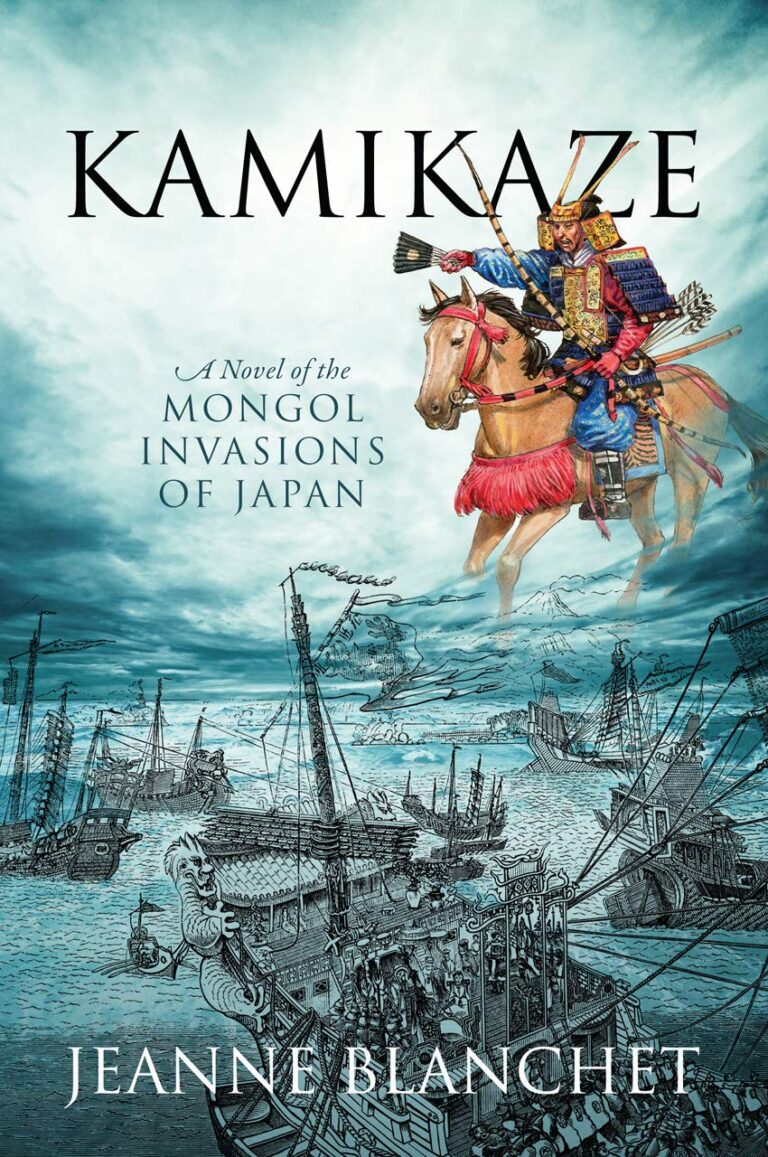
In Gary Jennings’s The Journeyer, at the court of Kublai Khan, Marco becomes an observer and participant in the Yuan dynasty’s government and journeys through territories largely unknown to western Europeans. In Colin Falconer’s Silk Road, Disgraced Templar knight Josseran Sarrazini is ordered to escort a Christian embassy across Central Asia to the court of Kublai Khan. Other novels featuring Kublai Khan include Paul Doherty’s The Plague Lord, Jeanne Blanchet’s Kamikaze, Robert Shea’s Time of the Dragons, and Robert Shea’s The Last of the Zinja.
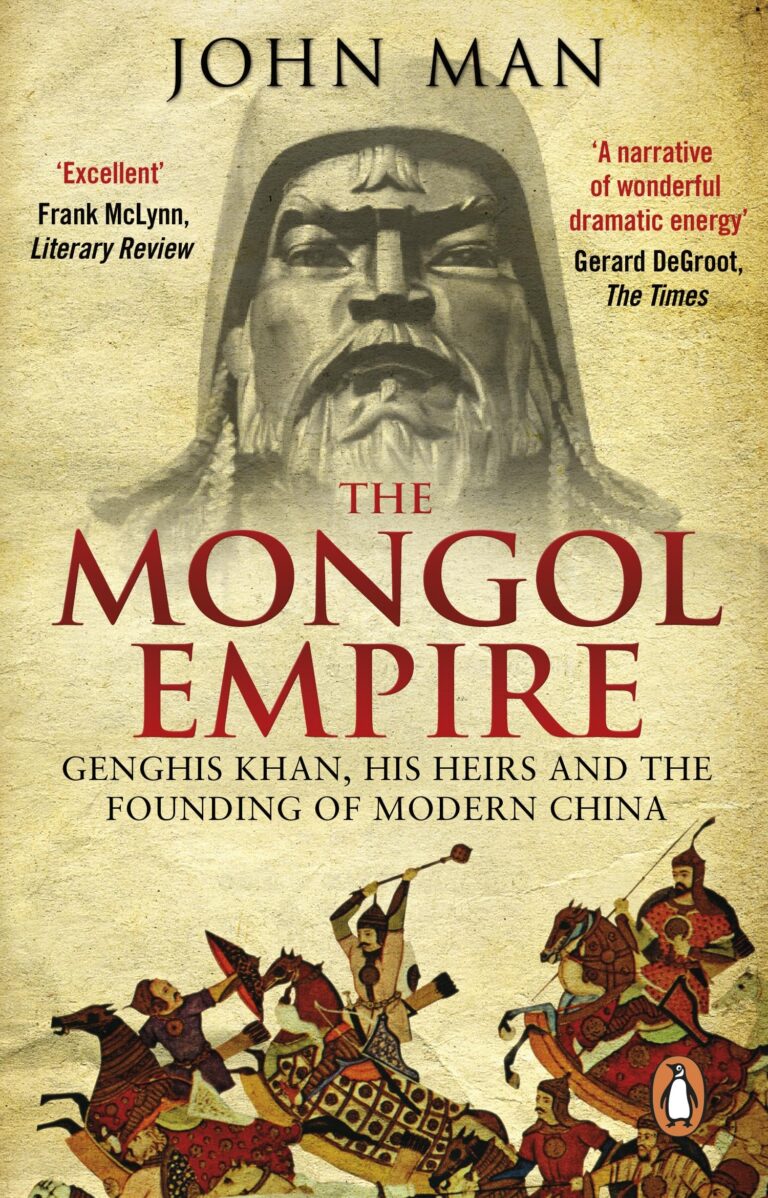
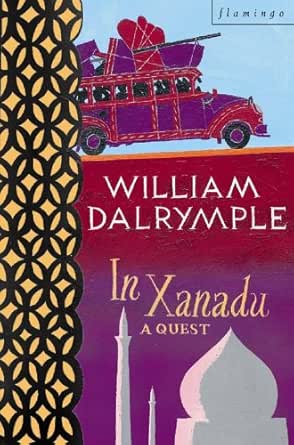
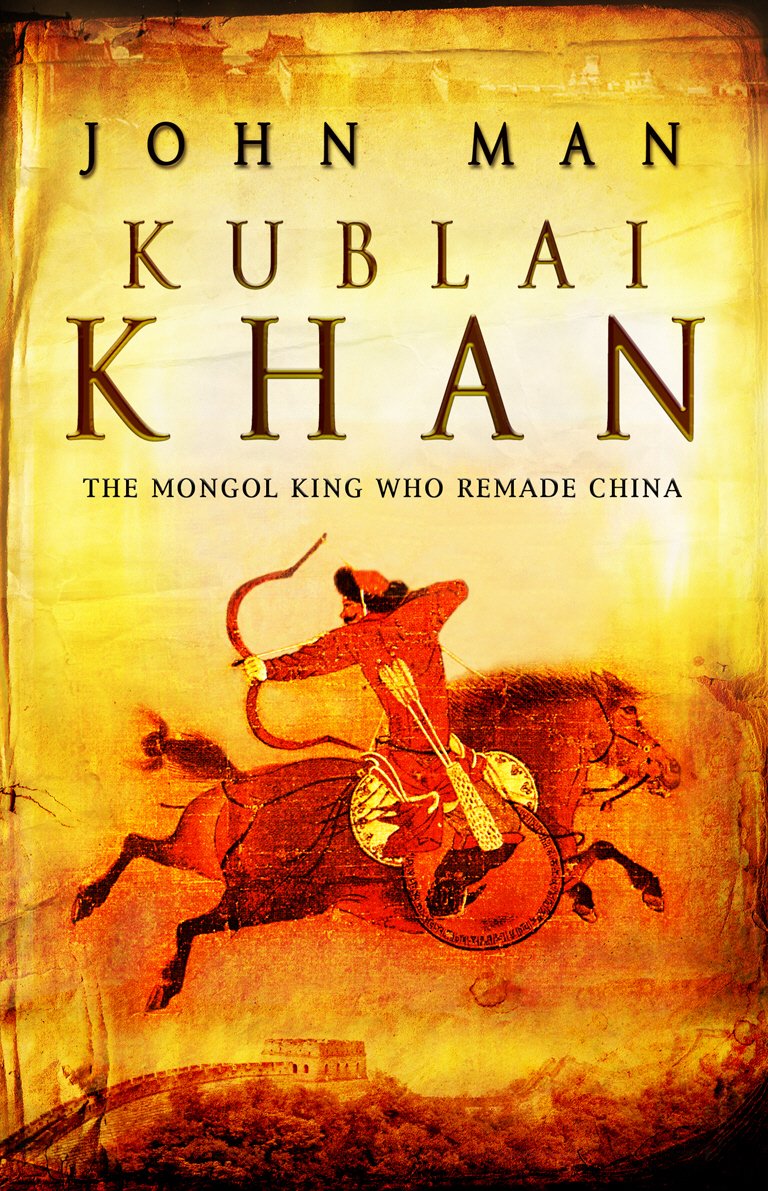
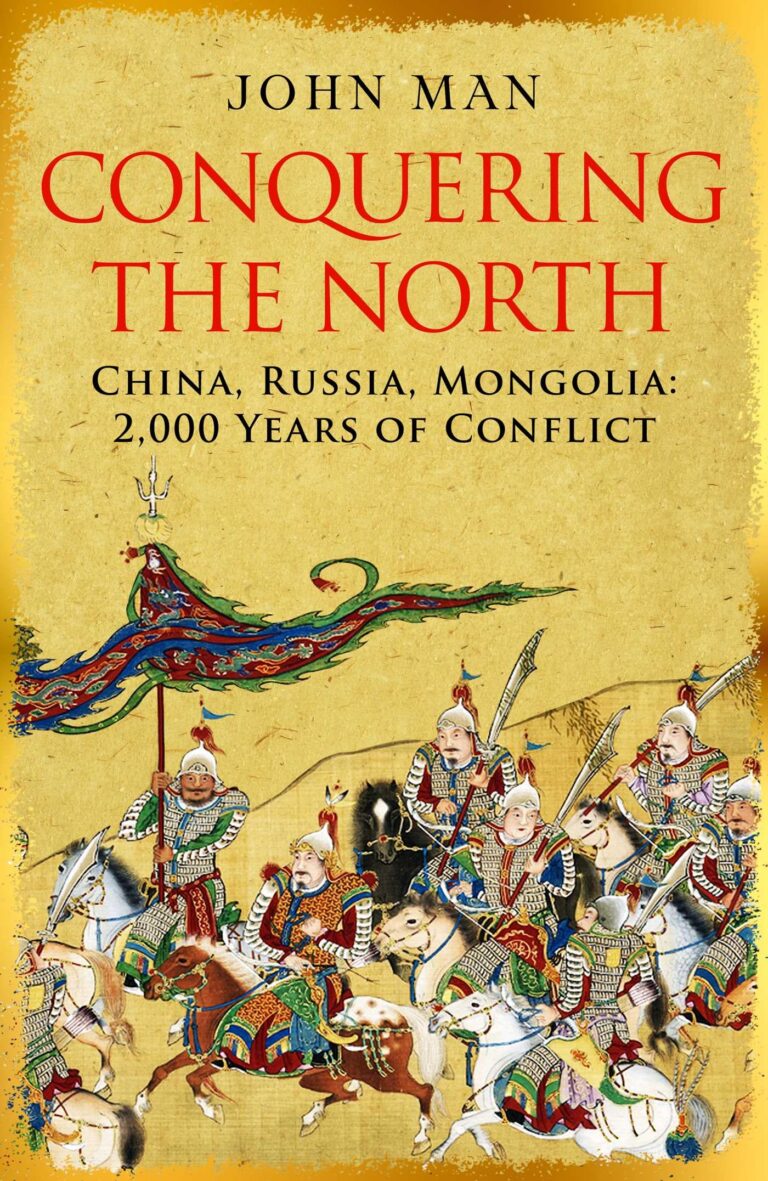
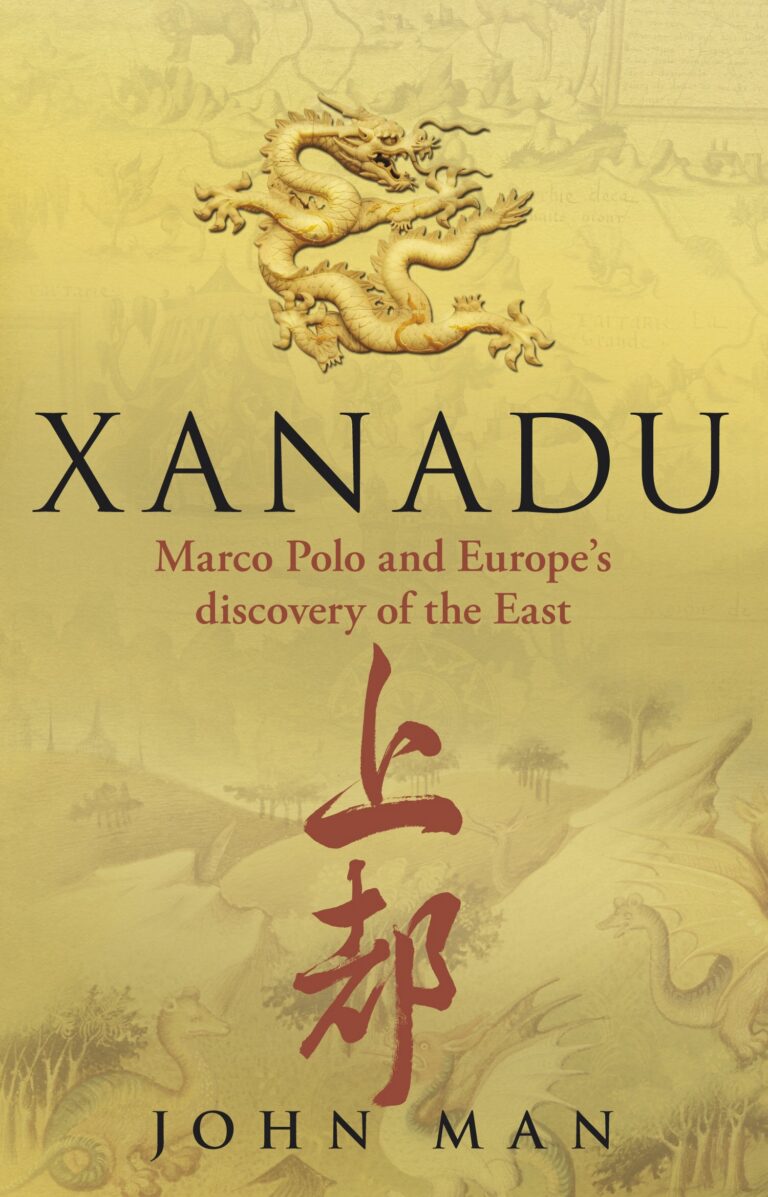
In non-fiction, Kublai Khan is discussed in William Dalrymple’s In Xanadu, John Man’s Xanadu, John Man’s The Mongol Empire, and John Man’s Conquering the North. In William Dalrymple’s In Xanadu, in 1986 William Dalrymple set out to retrace Marco Polo’s route from Jerusalem to the summer capital of Kublai Khan at Xanadu.