Jane Boleyn, Viscountess Rochford, was the wife of George Boleyn and served several of Henry VIII’s queens. Later tradition accused her of giving evidence that helped condemn George and Anne Boleyn, but the surviving records do not support the most extreme claims. In 1541 she helped arrange secret meetings between Catherine Howard and Thomas Culpeper. Declared insane after arrest but made legally punishable by statute, she was executed with Catherine in 1542.
Philippa Gregory’s The Boleyn Inheritance gives Jane a first-person narrative and strongly develops the traditional image of the bitter wife and court survivor. She also appears in Hilary Mantel’s Bring Up the Bodies and many Tudor novels. Modern historical fiction increasingly questions the legend that she deliberately destroyed her husband, while still confronting her dangerous role in Catherine Howard’s affair.
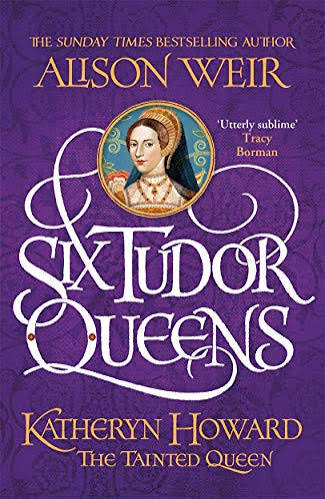
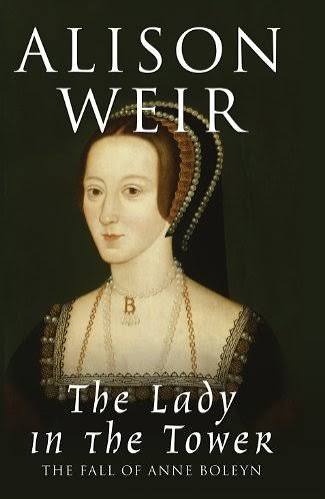
Alison Weir’s The Lady in the Tower places Jane Boleyn, Viscountess Rochford within a narrative shaped by family, marriage and personal loyalty, political ambition and government, and court politics and dynastic power. Alison Weir’s Katheryn Howard places Jane Boleyn, Viscountess Rochford within a narrative shaped by court politics and dynastic power, family, marriage and personal loyalty, and exploration, travel and cultural encounter. Other novels featuring Jane Boleyn, Viscountess Rochford include Alison Weir’s In the Shadow of Queens and Alison Weir’s The Wicked Wife.
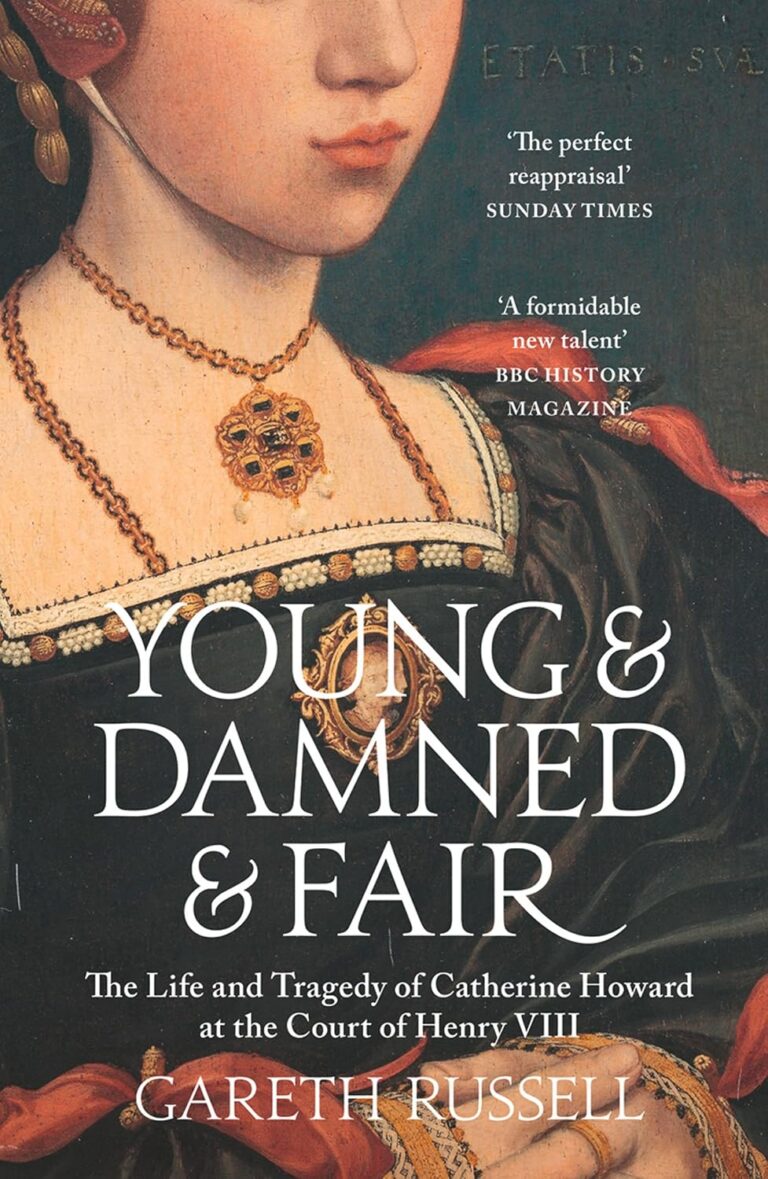
In non-fiction, Jane Boleyn, Viscountess Rochford is discussed in Gareth Russell’s Young and Damned and Fair. Gareth Russell’s Young and Damned and Fair approaches the subject through family, marriage and personal loyalty, court politics and dynastic power, and social change and the pressures of ordinary life.