Ivan IV, known as Ivan the Terrible, became grand prince of Moscow as a child and was crowned the first tsar of Russia in 1547. His reign conquered Kazan and Astrakhan, expanded administration and opened new trade, but later descended into the terror of the oprichnina, mass executions and destructive war in Livonia. He killed or fatally struck his son Ivan during a quarrel according to later accounts, leaving a weakened succession.
Ivan is a major character in Dorothy Dunnett’s The Ringed Castle, which places Francis Crawford at the Russian court, and he appears in numerous Russian historical novels. Fiction often alternates between visionary state-builder and paranoid tyrant. His childhood trauma and religious intensity provide psychological explanations, but they cannot remove responsibility for organised violence.
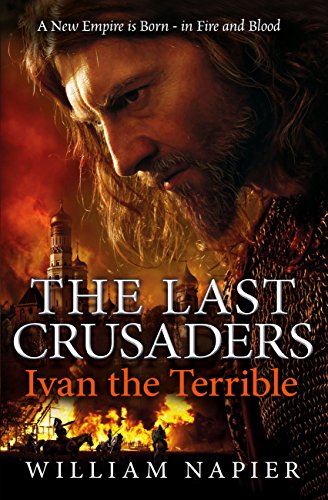
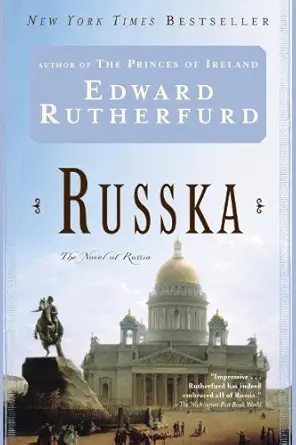
In William Napier’s The Last Crusaders: Ivan the Terrible, a mission that begins in Tudor diplomatic service leads them through Constantinople and onward to Muscovy, where Ivan the Terrible rules through fear, suspicion and violence. Edward Rutherfurd’s Russka places Ivan the Terrible within a narrative shaped by social change and the pressures of ordinary life, empire, conquest and resistance, and religion, belief and institutional authority.