Henry VIII ruled England from 1509 to 1547 and transformed the monarchy through war, dynastic marriage and religious change. His failure to secure a surviving son with Catherine of Aragon led to the break with Rome, the royal supremacy and the dissolution of the monasteries. Henry married six times, executed ministers and nobles and expanded the machinery of government, while later illness and insecurity contributed to increasingly violent rule.
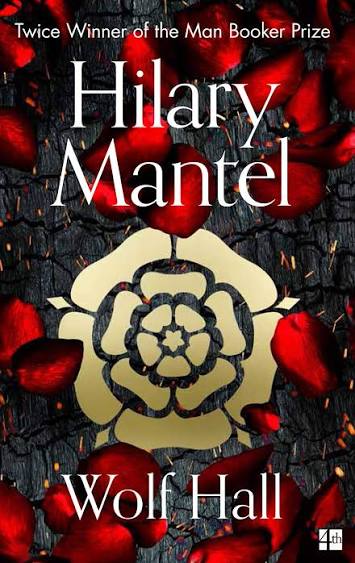
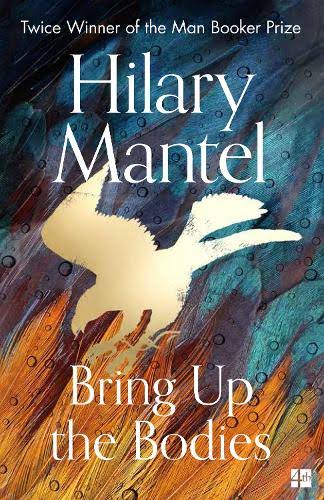
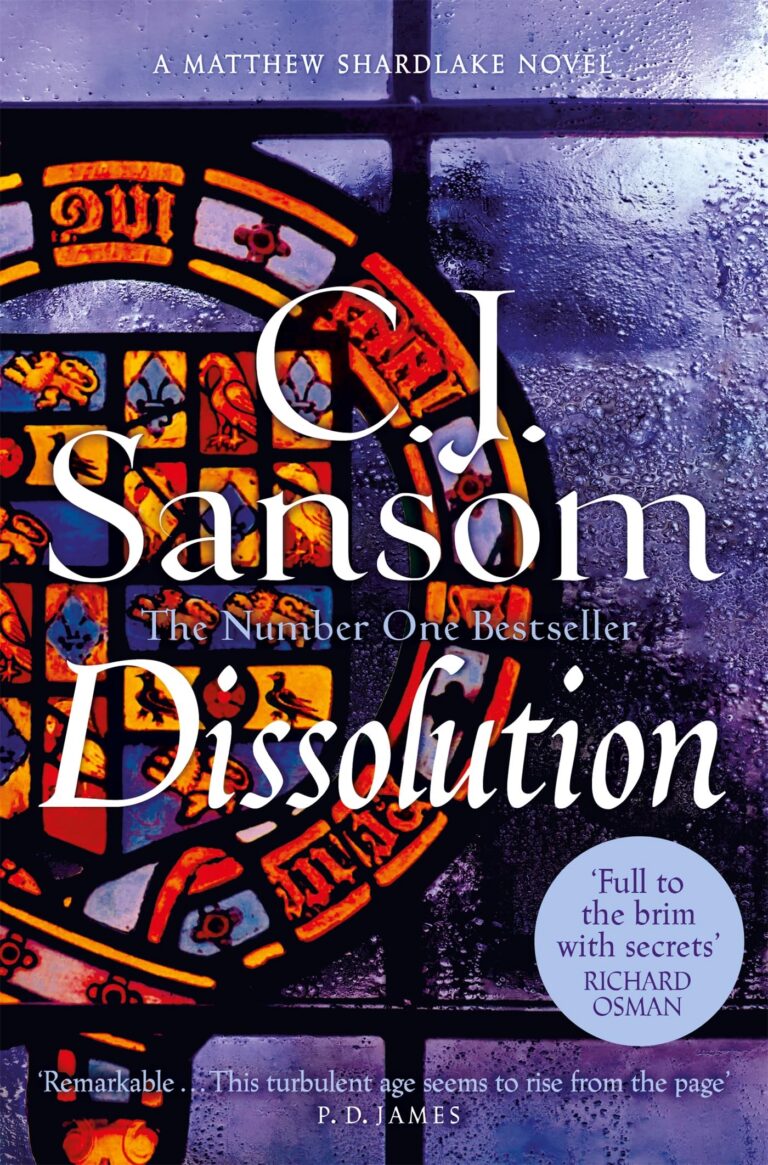
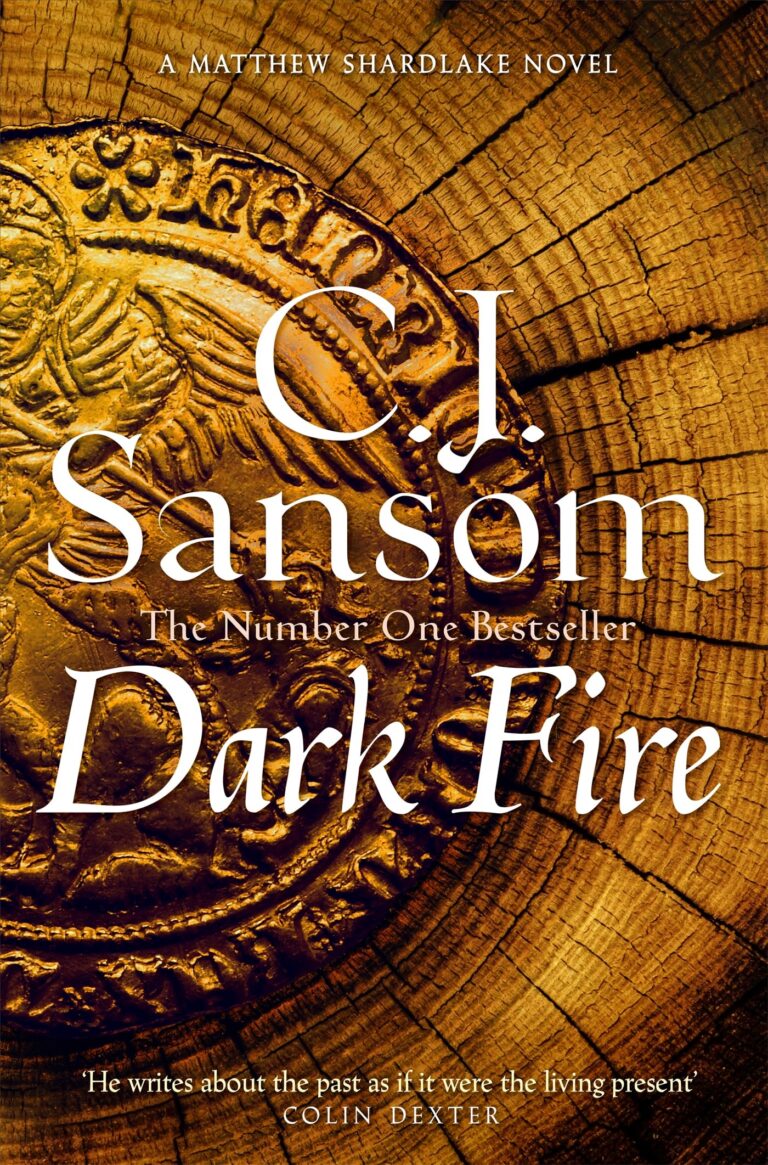
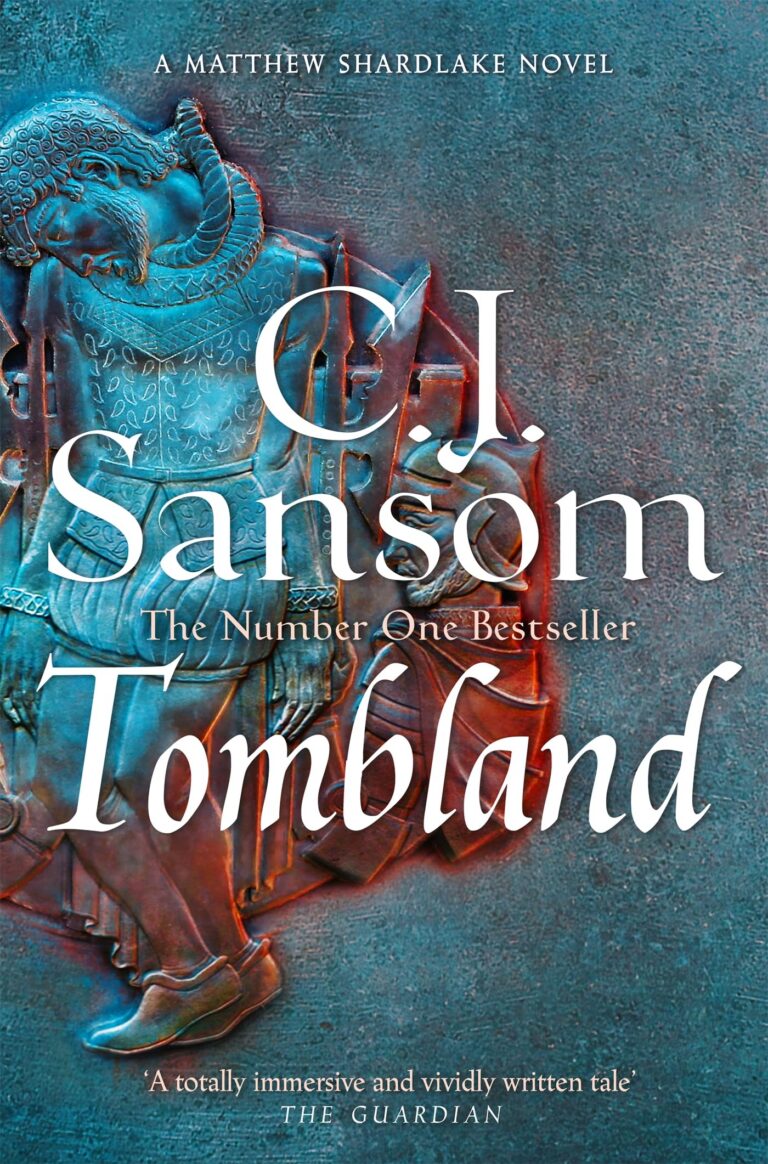
Hilary Mantel’s Wolf Hall trilogy portrays Henry largely through Thomas Cromwell and offers one of the most influential modern fictional interpretations of the court. C. J. Sansom’s Shardlake novels show the social consequences of reform and repression. Historical fiction repeatedly returns to the six marriages, but the strongest novels connect them to succession, theology, property and the growth of the Tudor state.
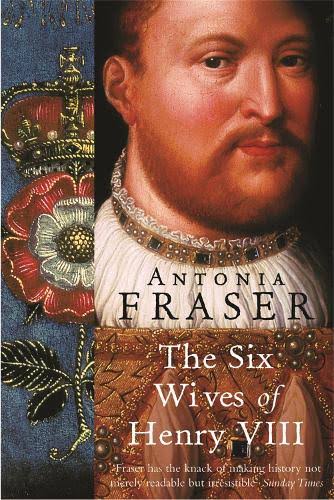
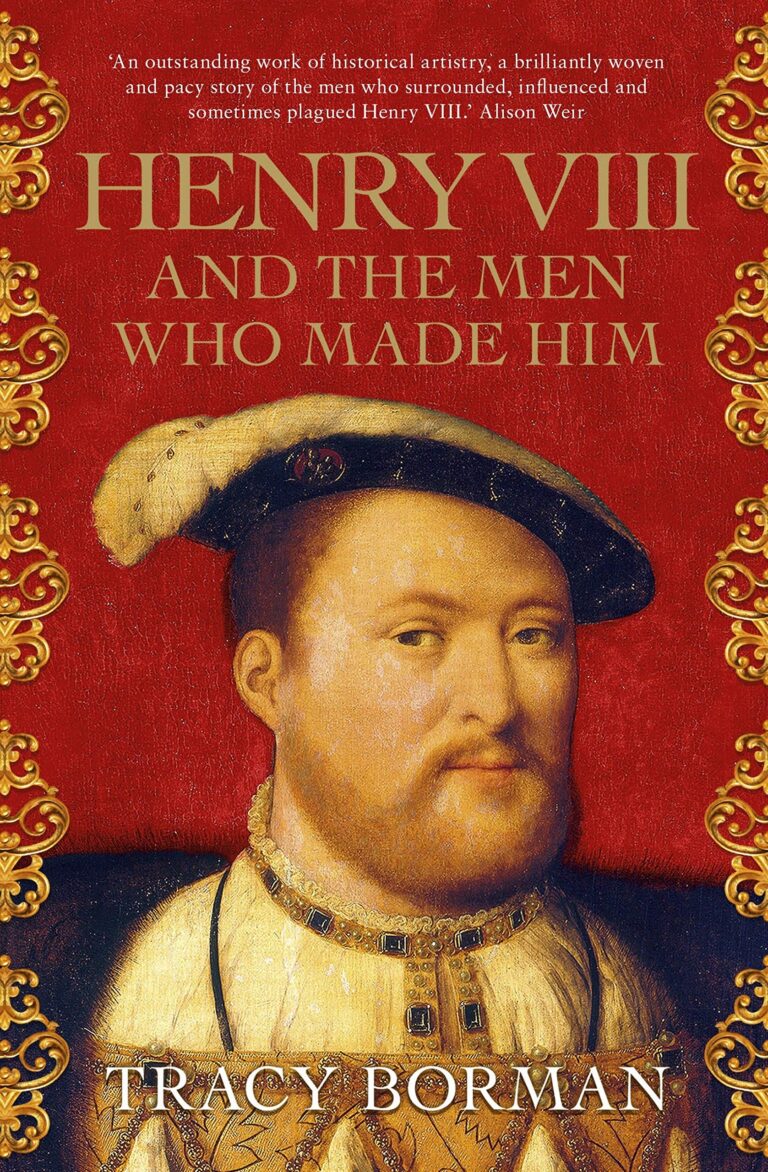
In non-fiction, Henry VIII is discussed in Tracy Borman’s Henry VIII and the Men Who Made Him, Antonia Fraser’s The Six Wives of Henry VIII, Linda Porter’s Mary Tudor, Linda Porter’s Katherine the Queen, and Linda Porter’s Crown of Thistles. In Tracy Borman’s Henry VIII and the Men Who Made Him, Henry VIII is examined through the men who educated, entertained, advised and opposed him.