Henry VI was Holy Roman Emperor from 1191 to 1197 and king of Sicily through his marriage to Constance, heiress of the Norman kingdom. The son of Frederick Barbarossa, he sought to combine German imperial power with the wealth and strategic position of southern Italy. His conquest of Sicily was accompanied by severe punishment of opponents, and his plans for hereditary imperial succession failed. His early death left the child Frederick II and a prolonged struggle over both kingdoms.
Henry appears mainly in historical fiction about the Hohenstaufen dynasty, Norman Sicily and the birth of Frederick II rather than in a widely known English-language novel centred solely on him. His marriage to the older Constance and the violent seizure of Sicily offer strong dramatic material. Novelists can also use his reign to show the structural difficulty of ruling a mobile empire across the Alps.
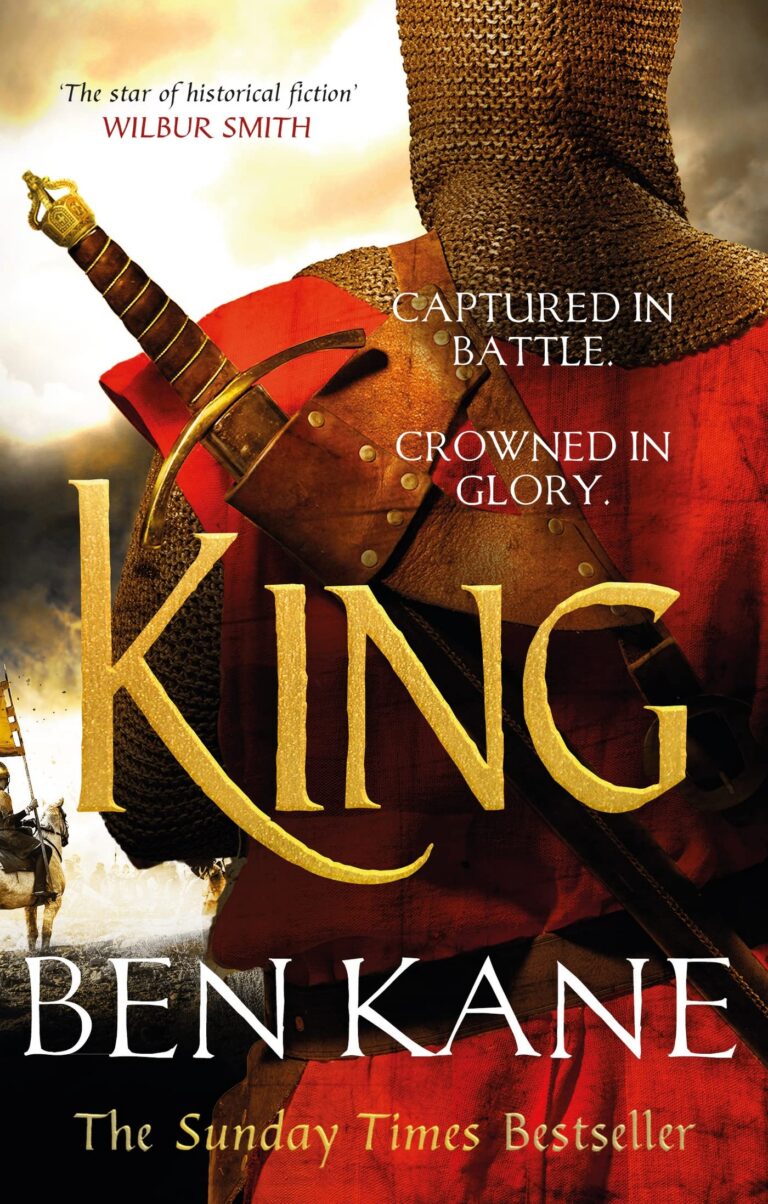
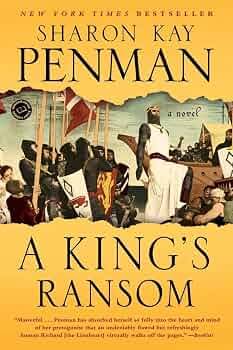
In Sharon Kay Penman’s A King’s Ransom, he is transferred to Holy Roman Emperor Henry VI, who demands an enormous ransom while Philip II of France and Richard’s brother John offer political and financial incentives to keep him imprisoned. Gore Vidal’s A Search for the King places Henry VI, Holy Roman Emperor within a narrative shaped by court politics and dynastic power, family, marriage and personal loyalty, and exploration, travel and cultural encounter. Other novels featuring Henry VI, Holy Roman Emperor include Ben Kane’s King.