Gallienus ruled the Roman Empire from AD 253 to 268, first jointly with his father Valerian and then alone after Valerian’s capture by the Persians. His reign faced invasions, plague, military revolts and the breakaway Gallic and Palmyrene states. Gallienus reorganised high command, relied increasingly on mobile cavalry and excluded many senators from military posts. He survived repeated crises but was assassinated by officers during the siege of Milan.
Gallienus is an important imperial figure in Harry Sidebottom’s Warrior of Rome series, which follows soldiers and officials through the mid-third-century crisis. Historical fiction can contrast hostile senatorial descriptions of an idle, artistic emperor with evidence of energetic campaigning and institutional adaptation. His reign provides a setting in which local commanders, frontier cities and rival emperors all claim to be defending Rome.
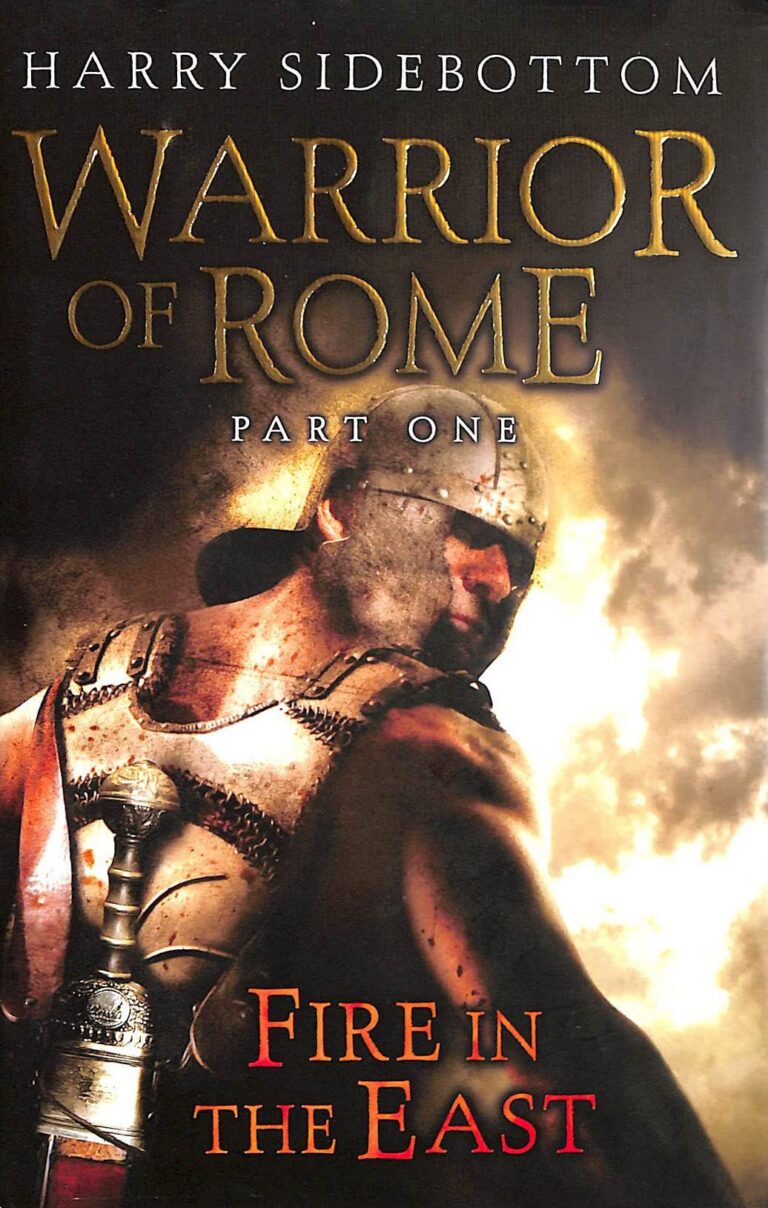
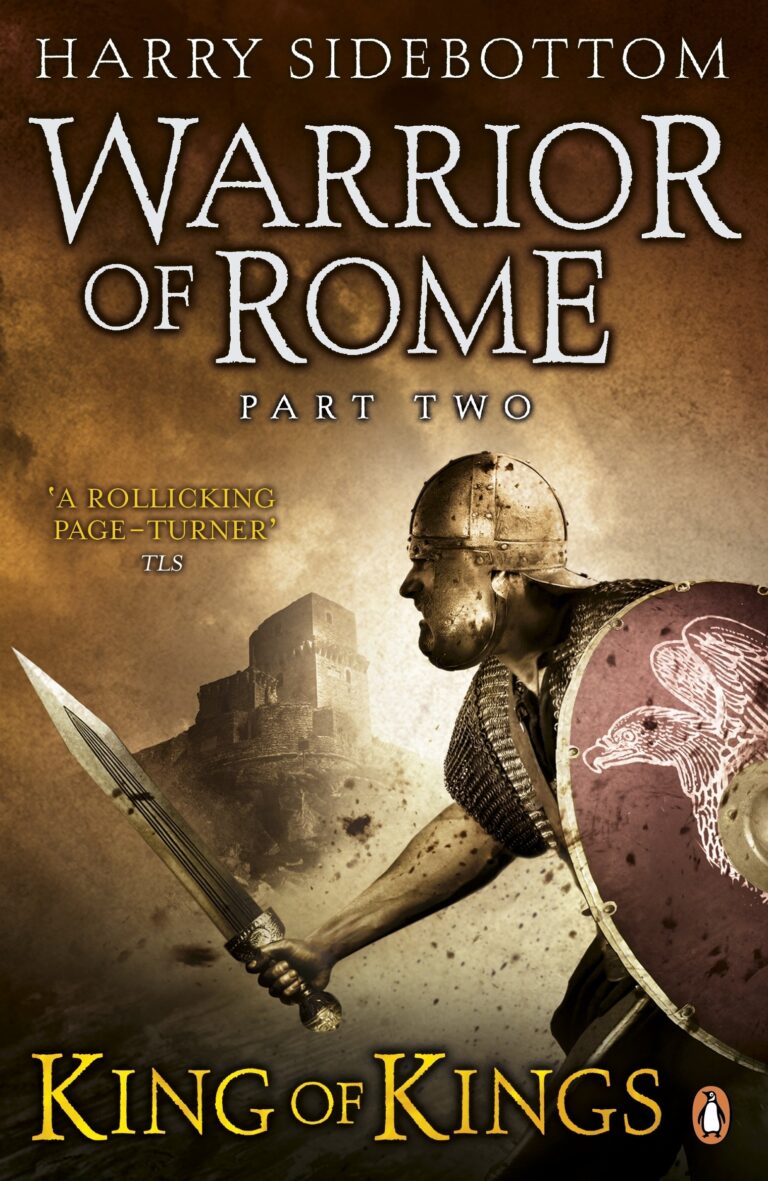
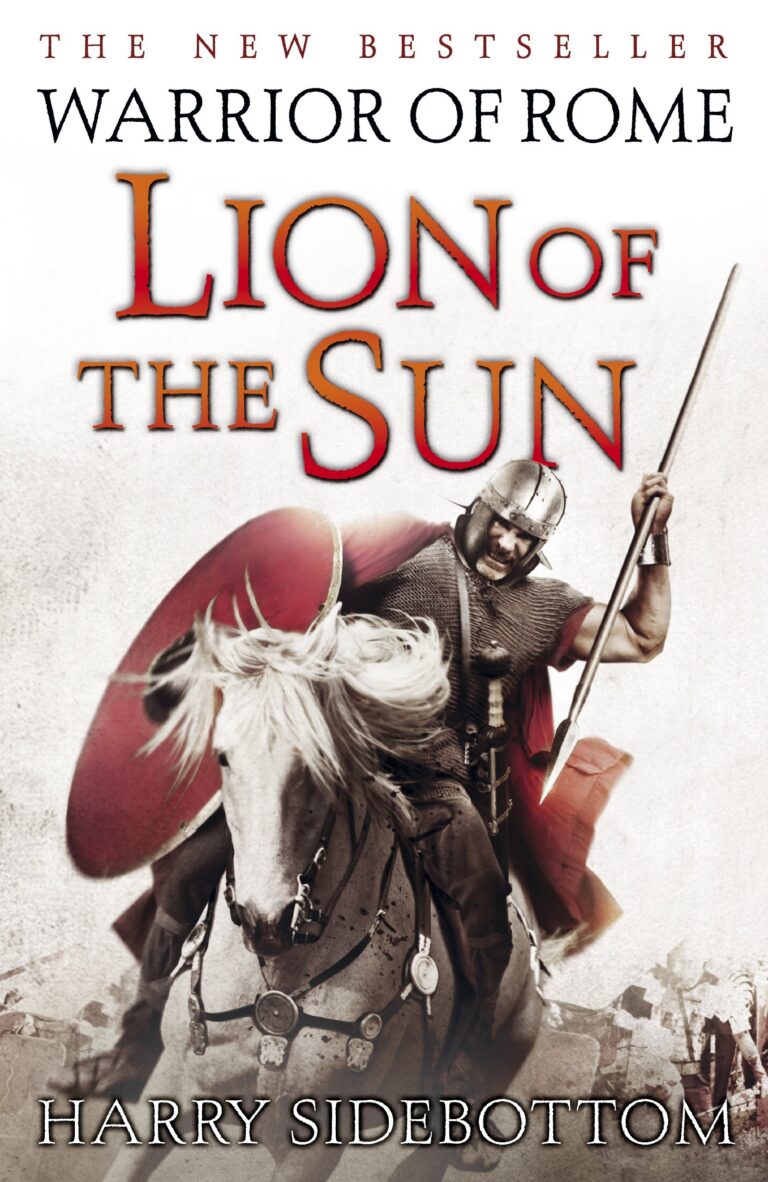
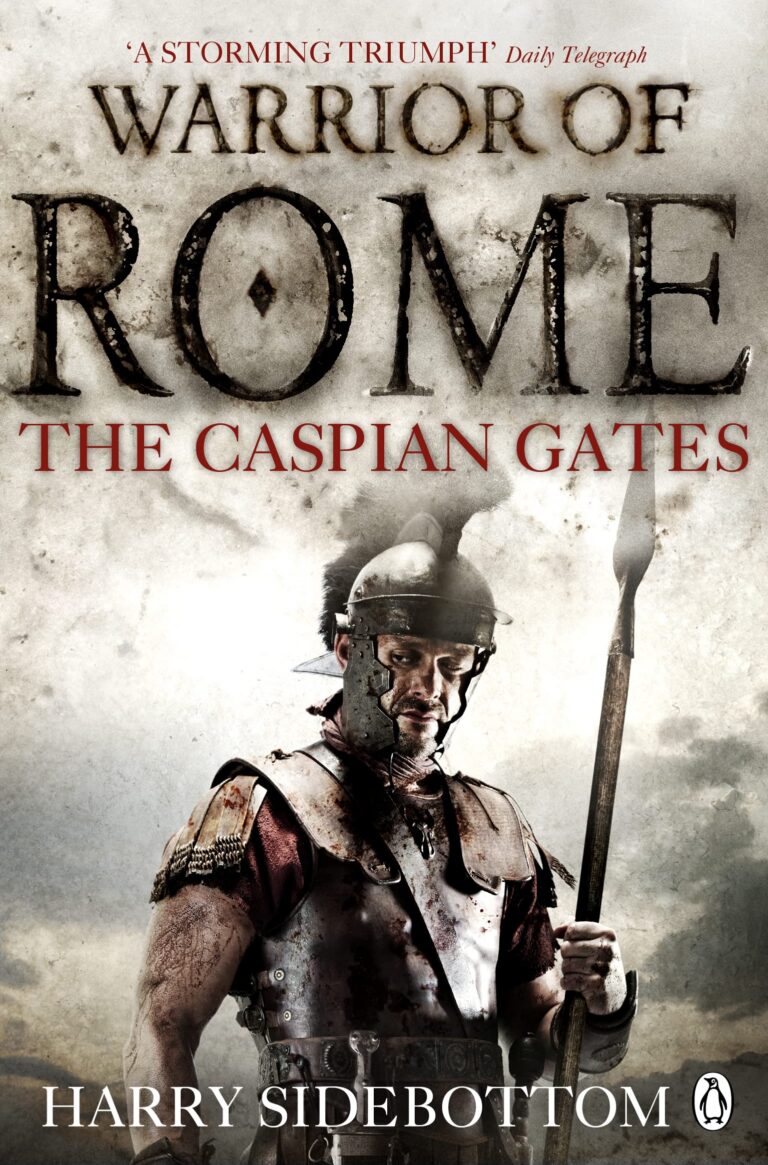
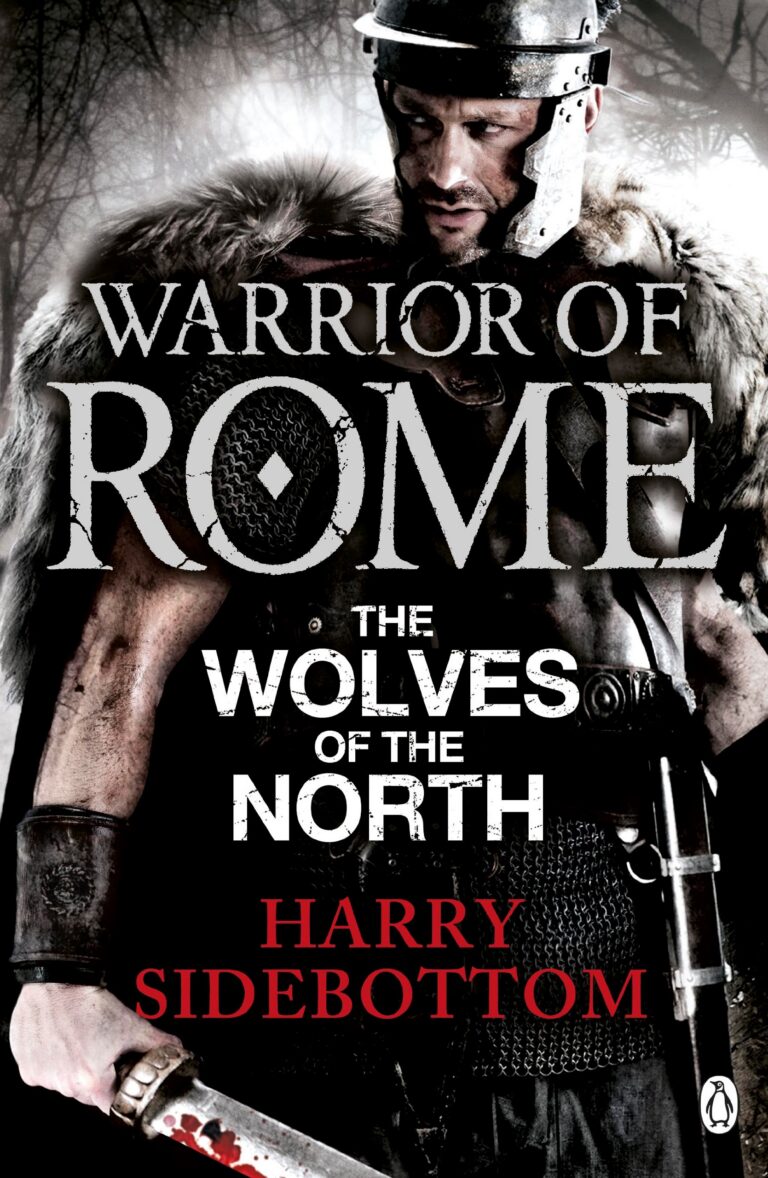
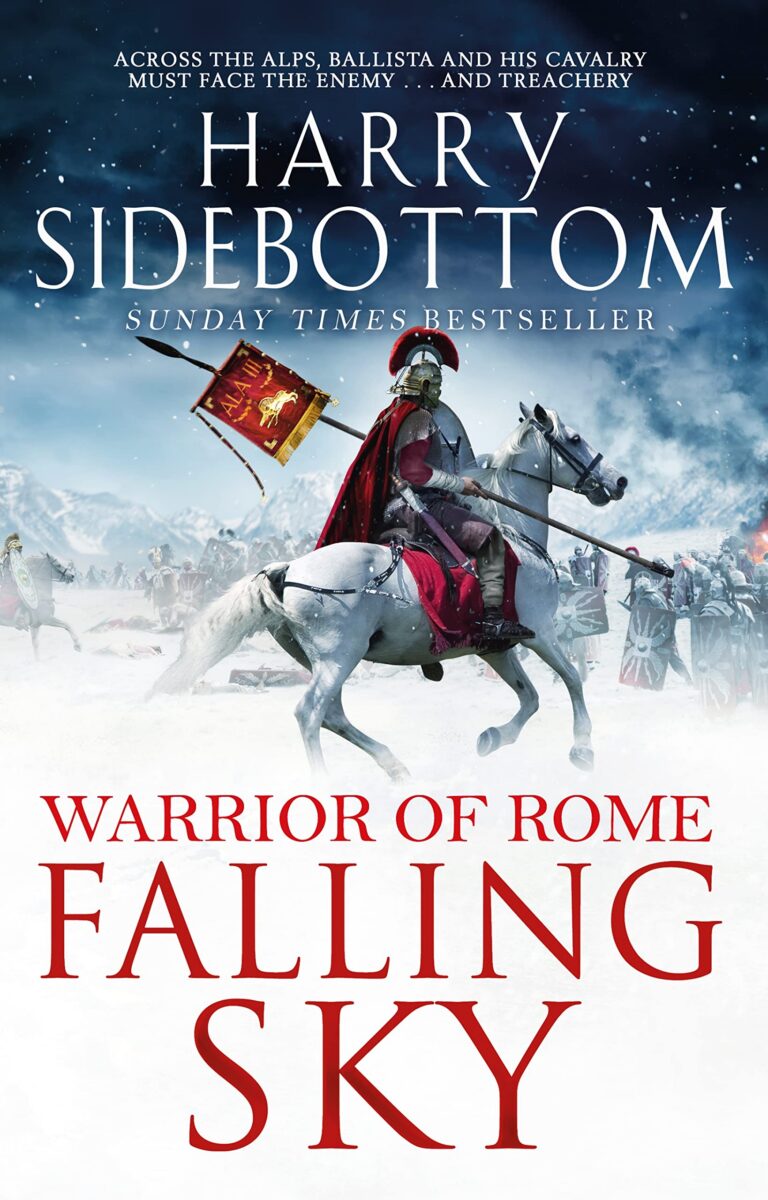
In Harry Sidebottom’s King of Kings, the narrative follows the fragile authority of Valerian and Gallienus as the empire attempts to fight Persia without resolving its internal divisions. In Harry Sidebottom’s The Last Hour, in AD 265 Ballista reaches Rome with evidence of a conspiracy against Emperor Gallienus. Other novels featuring Gallienus include Harry Sidebottom’s Falling Sky, Harry Sidebottom’s Fire in the East, Harry Sidebottom’s Lion of the Sun, Harry Sidebottom’s The Caspian Gates, and Harry Sidebottom’s The Wolves of the North.
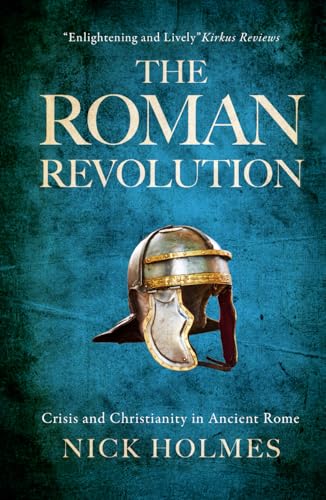
In non-fiction, Gallienus is discussed in Nick Holmes’s The Roman Revolution. In Nick Holmes’s The Roman Revolution, Nick Holmes follows the pressure exerted by Sasanian Persia and northern peoples, the capture of Valerian, the formation of the Gallic and Palmyrene breakaway empires, and the efforts of Gallienus and Aurelian to preserve and reunify Roman territory.