Francis Walsingham was Elizabeth I’s principal secretary and the organiser of an extensive intelligence network. A committed Protestant, he monitored Catholic exiles, foreign ambassadors and suspected plots, using agents, interception and code-breaking. His officers uncovered the Babington Plot, providing evidence used to convict Mary, Queen of Scots. Walsingham also supported maritime ventures and preparations against Spain, although he died in 1590 with significant personal debts.
Walsingham is a central historical presence in Ken Follett’s A Column of Fire and in Rory Clements’s John Shakespeare series, which turns Elizabethan intelligence work into political thrillers. Fiction often portrays him as the founder of a recognisably modern secret service. In reality his network was personal, improvised and dependent on merchants, diplomats, refugees and informers rather than a permanent state agency.
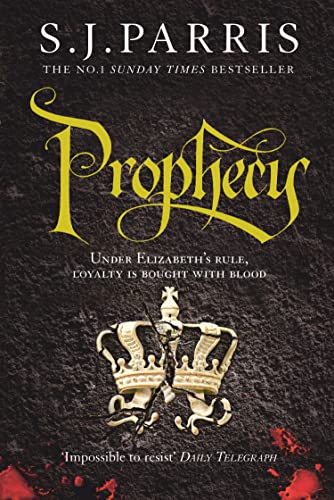
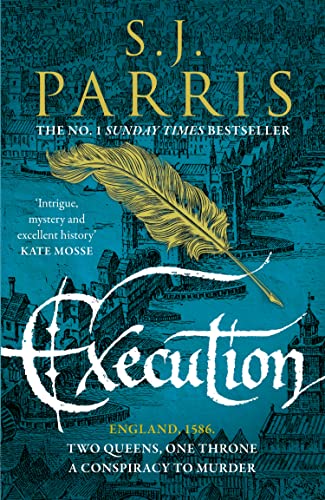
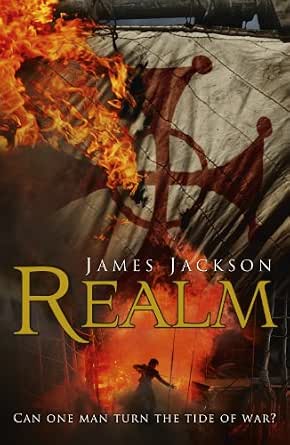
In S. J. Parris’s Heresy, Giordano Bruno travels with Philip Sidney to the university, officially as a visiting scholar but secretly on behalf of Francis Walsingham. In James H. Jackson’s Realm, Sir Francis Walsingham discovers that his intelligence network is failing as agents vanish and reports from the Continent cease. Other novels featuring Francis Walsingham include S. J. Parris’s Prophecy, Rory Clements’s The Queen’s Man, Rory Clements’s Holy Spy, S. J. Parris’s Execution, and Peter Tonkin’s Shadow of a Queen.