The Daoguang Emperor ruled Qing China from 1820 to 1850. His government faced fiscal weakness, official corruption, maritime smuggling and growing foreign pressure, above all over the opium trade. He appointed Lin Zexu to suppress opium at Canton, but Britain responded with military force in the First Opium War. The Treaty of Nanking in 1842 ceded Hong Kong and opened treaty ports, marking a major loss of Qing sovereignty.
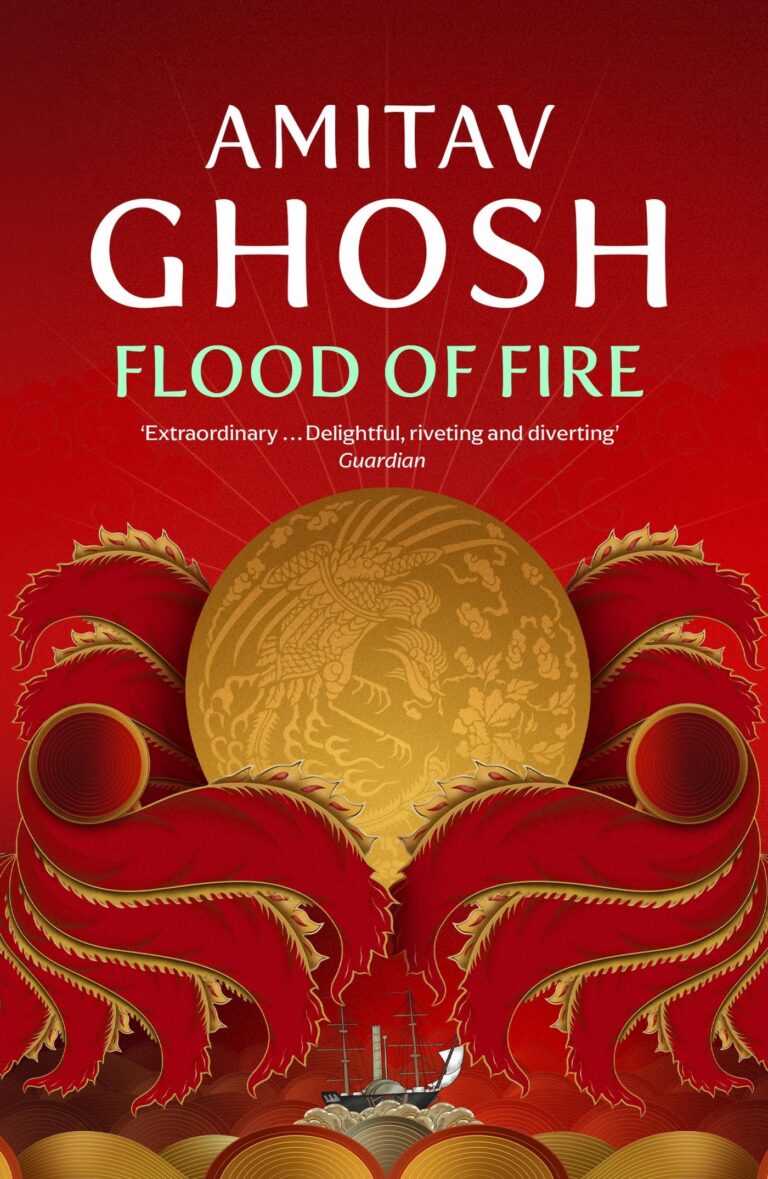
The emperor’s reign forms the political background to Amitav Ghosh’s Ibis trilogy, particularly River of Smoke and Flood of Fire, which follow merchants, soldiers and officials through the opium crisis and war. Daoguang is often distant from the fictional action, reflecting the immense separation between the Beijing court and events at Canton. Novels use that distance to explore failures of information as well as the violence of British commercial imperialism.