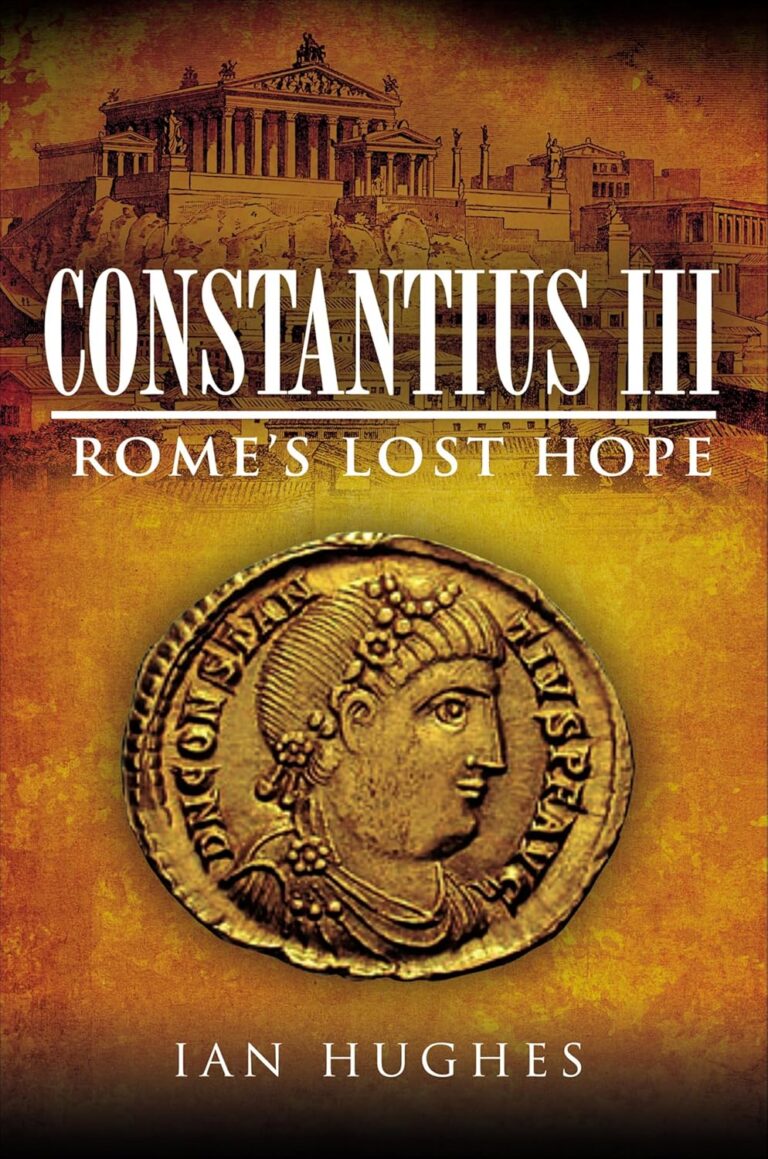
Constantius III was a leading western Roman general who restored much of the authority lost during the invasions and usurpations of the early fifth century. He defeated the usurper Constantine III, campaigned against Visigoths and other groups, and became the dominant figure at the court of Honorius. He married Galla Placidia and was proclaimed co-emperor in 421, but died after only a few months, leaving their young son Valentinian III as a future claimant.
Constantius is usually a supporting figure in historical fiction about Galla Placidia, Ataulf and the survival of the western empire. No single widely known novel has fixed his popular image, and writers must build character from accounts that concentrate on campaigns and court power. His rise from general to emperor offers a useful example of how military command replaced stable dynastic government in the fifth-century West.
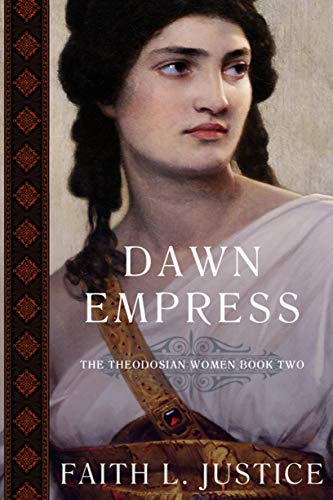
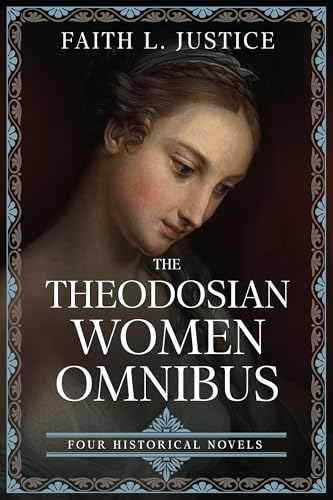
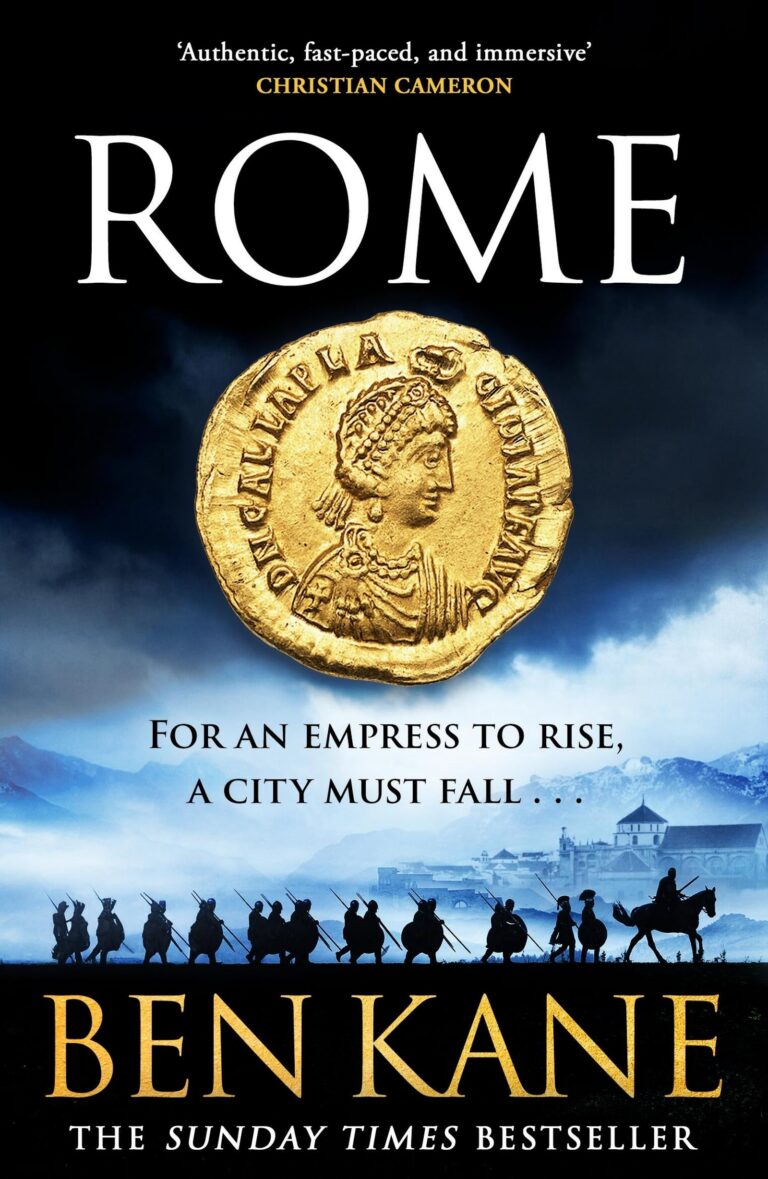
In Faith L. Justice’s Twilight Empress, Placidia later marries Constantius III and becomes mother of Valentinian III, governing through court alliances as the western empire faces military strongmen, rebellious relatives, Vandals and Attila’s Huns. Ben Kane’s Rome places Constantius III within a narrative shaped by court politics and dynastic power.