Antigonus I Monophthalmus was one of Alexander the Great’s Successors and one of the most ambitious rulers of the early Hellenistic world. He attempted to reunite much of Alexander’s empire under his own control before being defeated and killed at Ipsus in 301 BC.
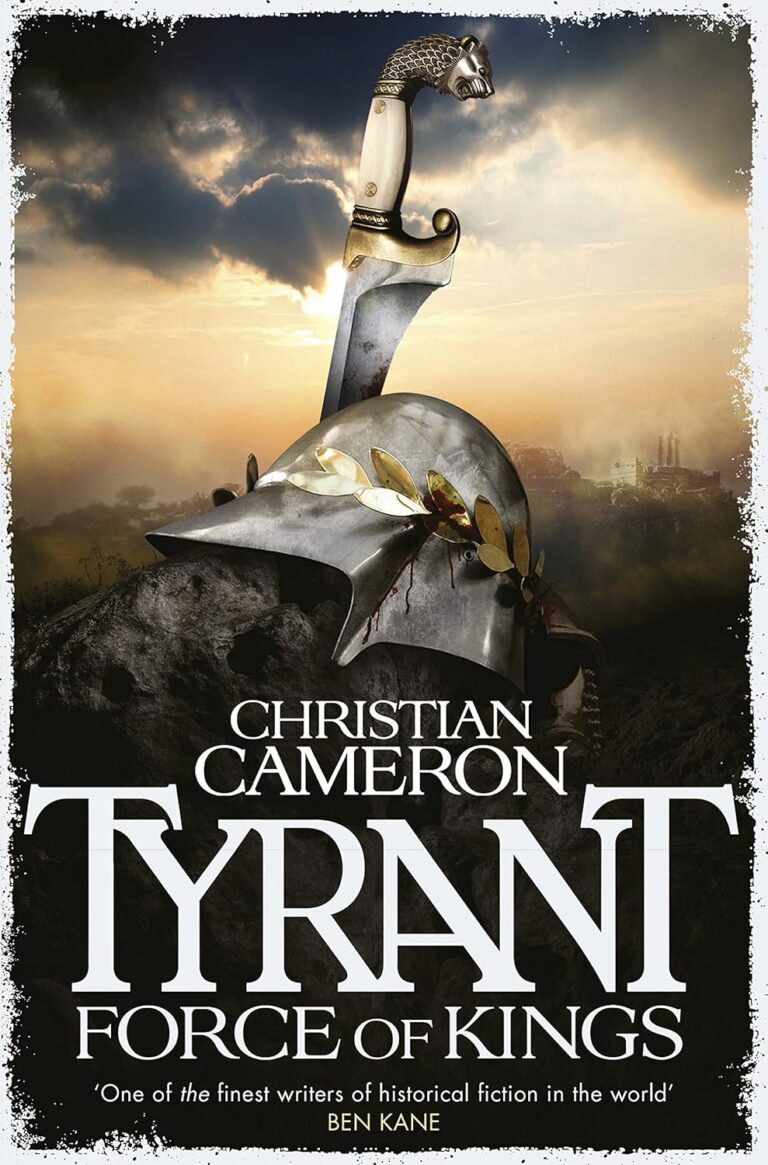
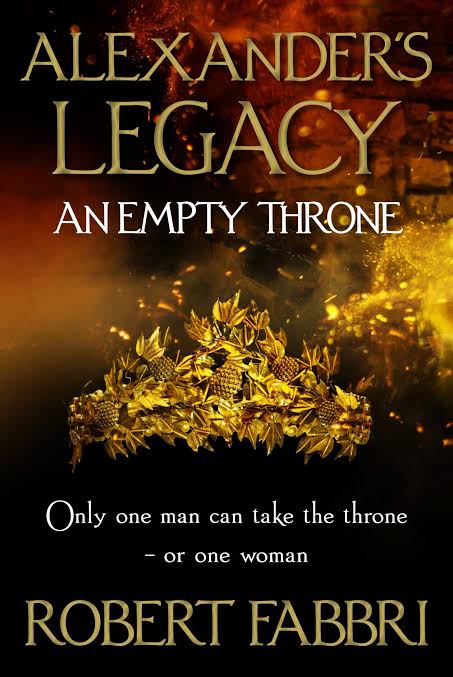
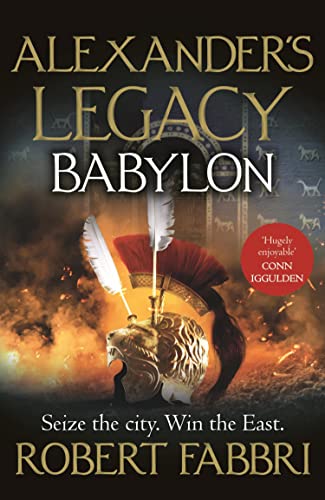
Robert Fabbri’s To the Strongest places Antigonus I Monophthalmus within a narrative shaped by political ambition and government, military command and battlefield decision-making, and family, marriage and personal loyalty. Mary Renault’s Funeral Games places Antigonus I Monophthalmus within a narrative shaped by court politics and dynastic power, social change and the pressures of ordinary life, and military command and battlefield decision-making. Other novels featuring Antigonus I Monophthalmus include Christian Cameron’s Tyrant: Funeral Games, Christian Cameron’s Tyrant: Destroyer of Cities, Christian Cameron’s Tyrant: Force of Kings, Robert Fabbri’s An Empty Throne, and Robert Fabbri’s Babylon.
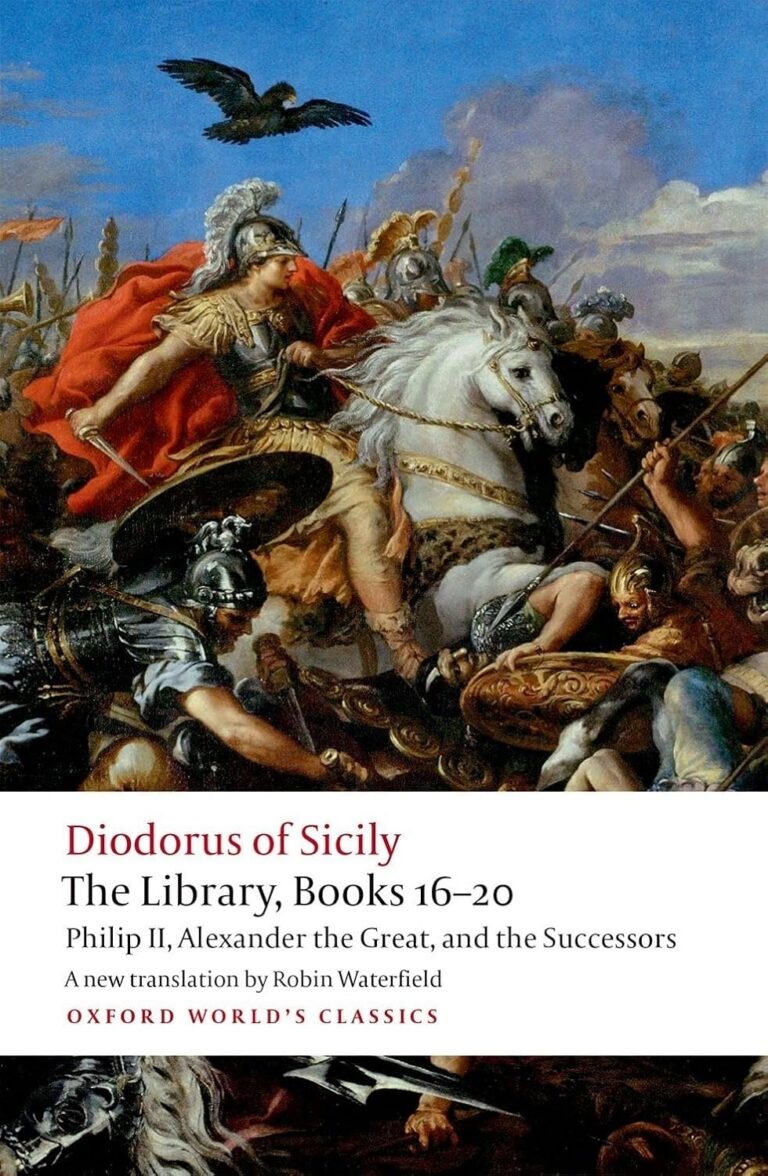
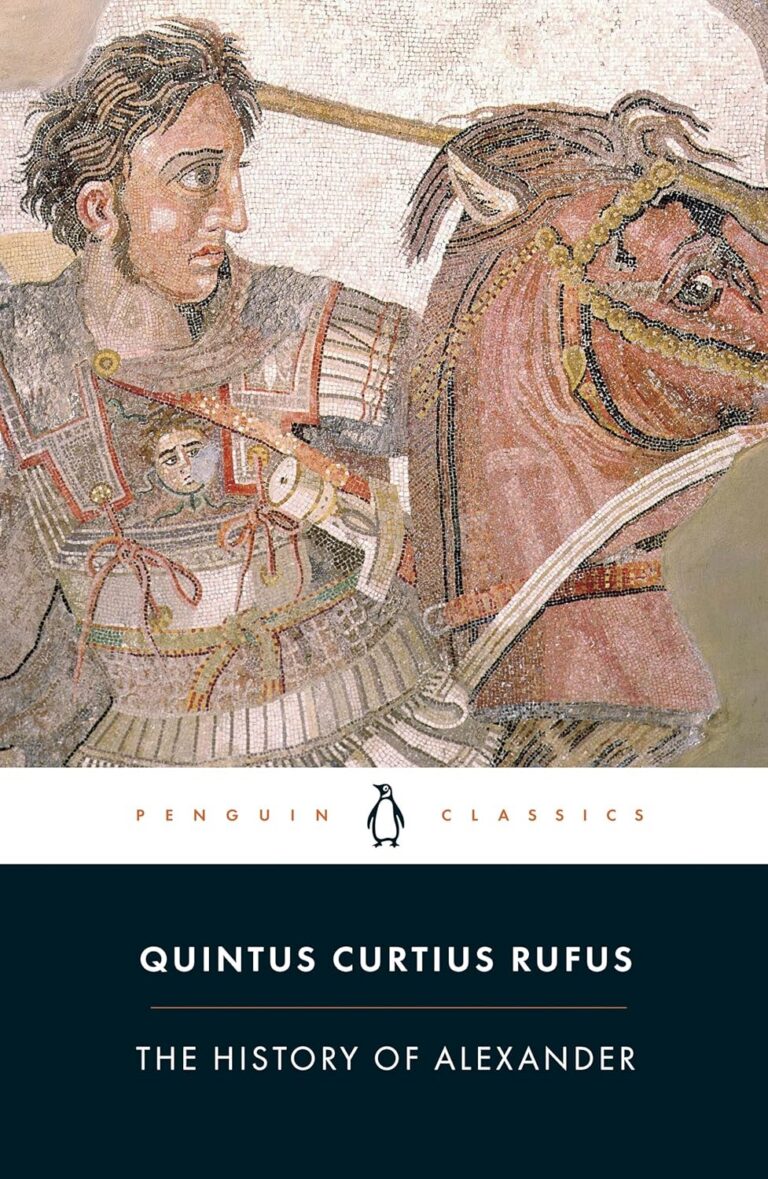
In non-fiction, Antigonus I Monophthalmus is discussed in Diodorus Siculus’s The Library, Books 16-20 and Quintus Curtius Rufus’s The History of Alexander. Diodorus Siculus’s The Library, Books 16-20 approaches the subject through military command and battlefield decision-making, court politics and dynastic power, and empire, conquest and resistance.