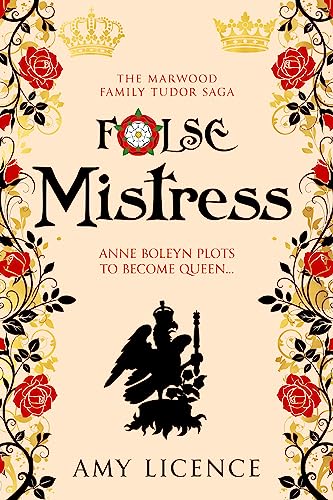
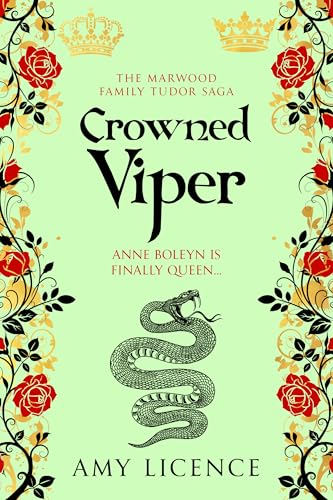
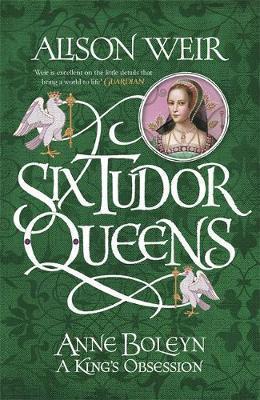
Anne Boleyn was Henry VIII’s second wife and queen of England from 1533 to 1536. Henry’s determination to marry her helped drive the break with papal authority and the creation of the royal supremacy, while Anne promoted reformist clergy and patronage. She gave birth to the future Elizabeth I but failed to produce a surviving son. Arrested on charges of adultery, incest and treason, she was convicted in a politically controlled trial and executed at the Tower of London.
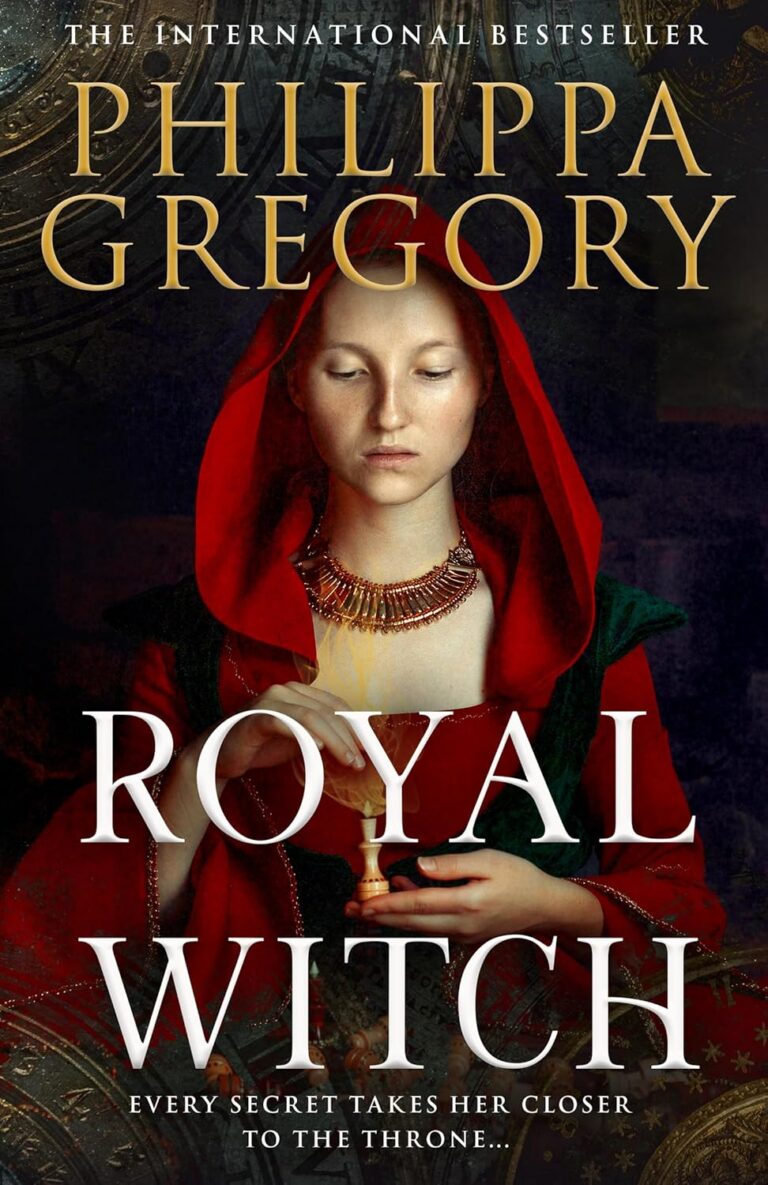
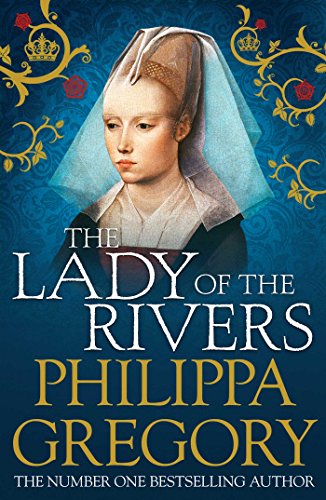
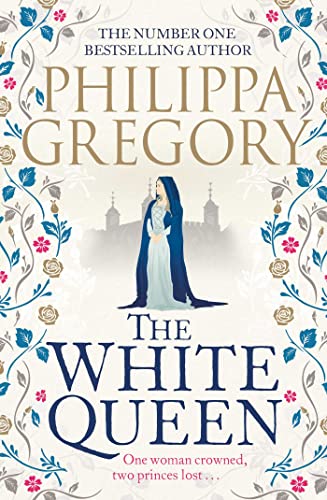
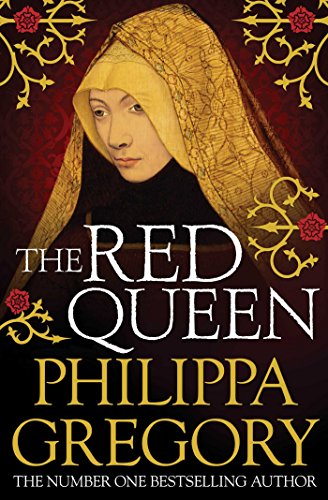
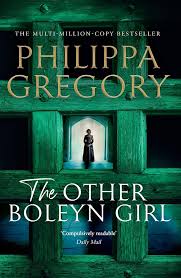
Anne is one of the most frequently portrayed figures in Tudor fiction. Hilary Mantel’s Wolf Hall and Bring Up the Bodies view her rise and fall largely through Thomas Cromwell, while Philippa Gregory’s The Other Boleyn Girl centres on rivalry within the Boleyn family. Many novels debate whether she was calculating, idealistic, victimised or all three, but the strongest treatments recognise both her political agency and the lethal imbalance of power between queen and king.
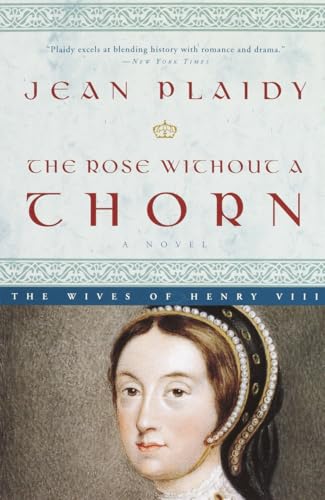
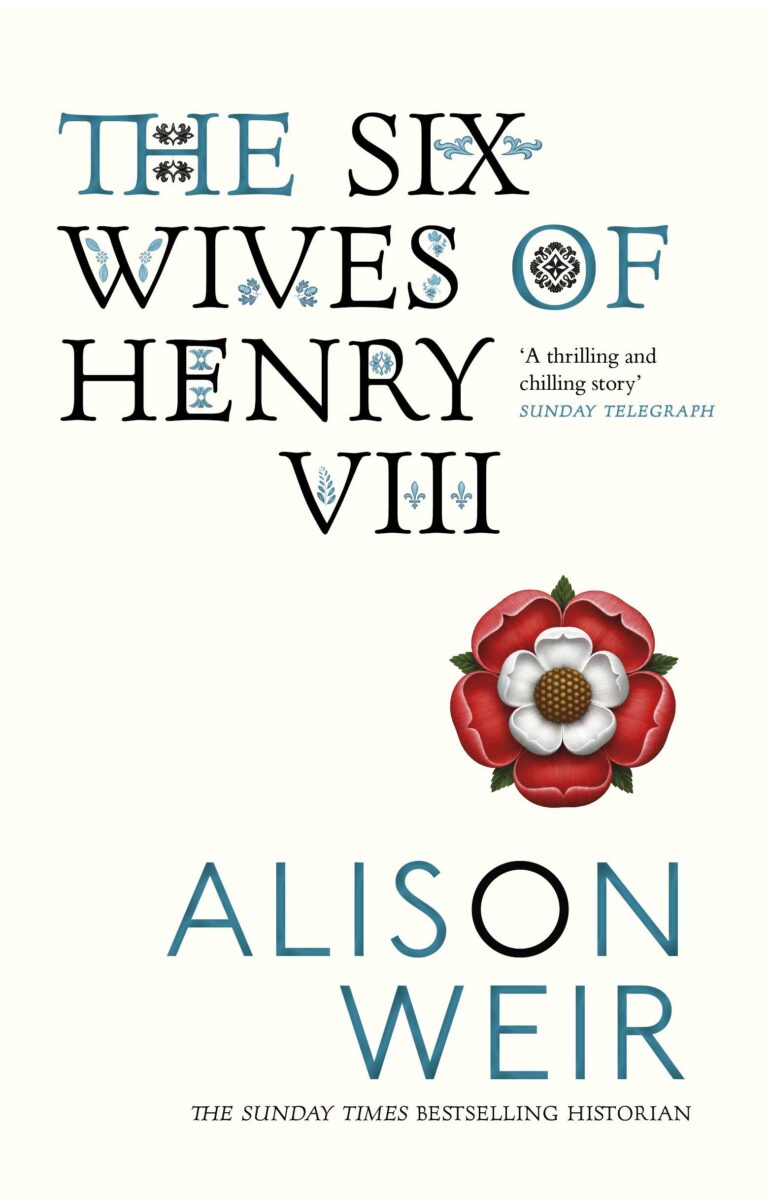
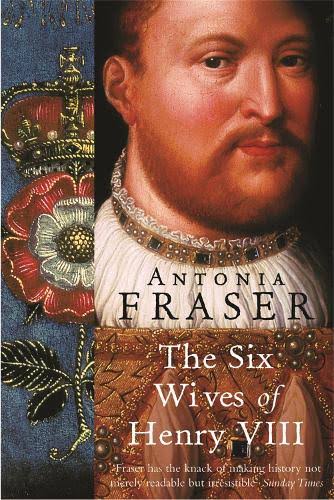
In non-fiction, Anne Boleyn is discussed in Antonia Fraser’s The Six Wives of Henry VIII. In Antonia Fraser’s The Six Wives of Henry VIII, this group biography studies Catherine of Aragon, Anne Boleyn, Jane Seymour, Anne of Cleves, Catherine Howard and Catherine Parr as individuals as well as wives of Henry VIII.