Alexander the Great became king of Macedon in 336 BC and, within little more than a decade, conquered the Achaemenid Persian Empire, campaigned through Egypt and Central Asia, and reached the Punjab. He founded or refounded numerous cities, spread Greek political and cultural influence, and attempted to bind Macedonian and Persian elites into a single imperial system. His sudden death at Babylon in 323 BC left no settled adult successor and triggered decades of warfare among his generals.
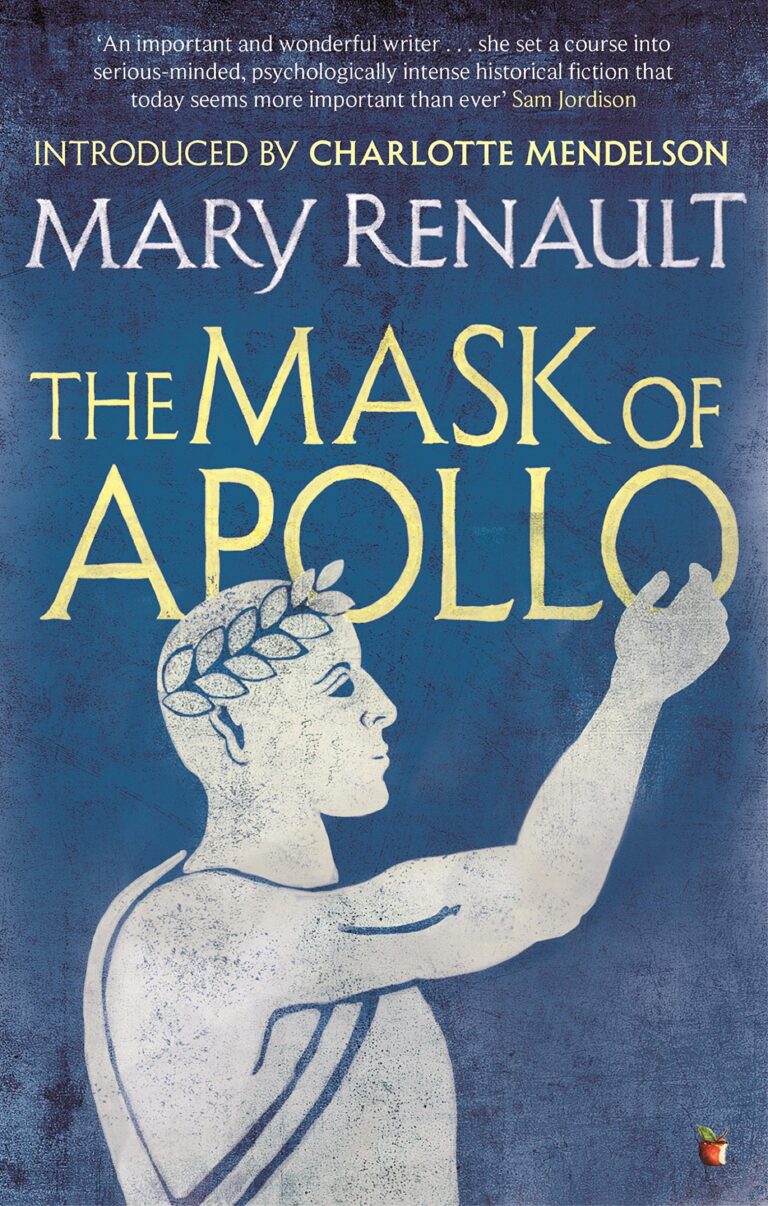
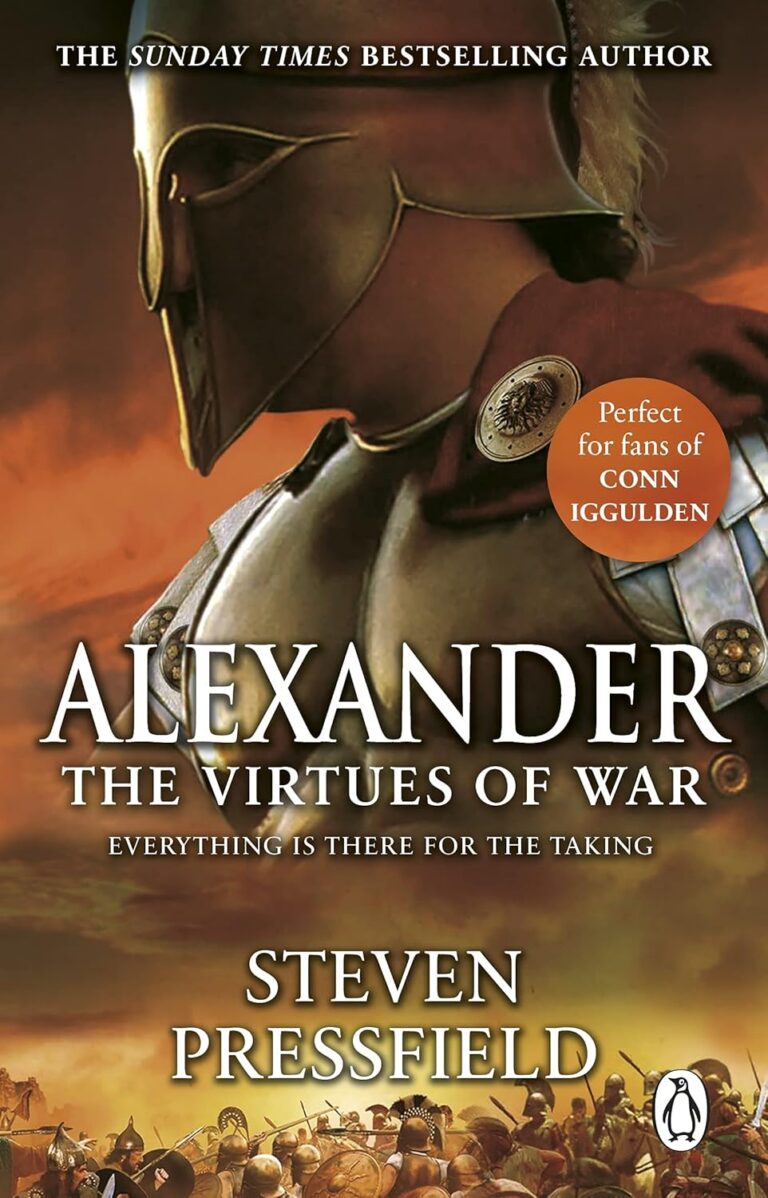
Alexander has inspired a large body of historical fiction. Mary Renault’s trilogy—Fire from Heaven, The Persian Boy and Funeral Games—traces his youth, conquests and contested legacy, while Steven Pressfield’s The Virtues of War presents the campaigns through Alexander’s own retrospective voice. Novelists repeatedly return to his charisma, military brilliance, violence, relationships and increasing claims to divine or universal kingship.
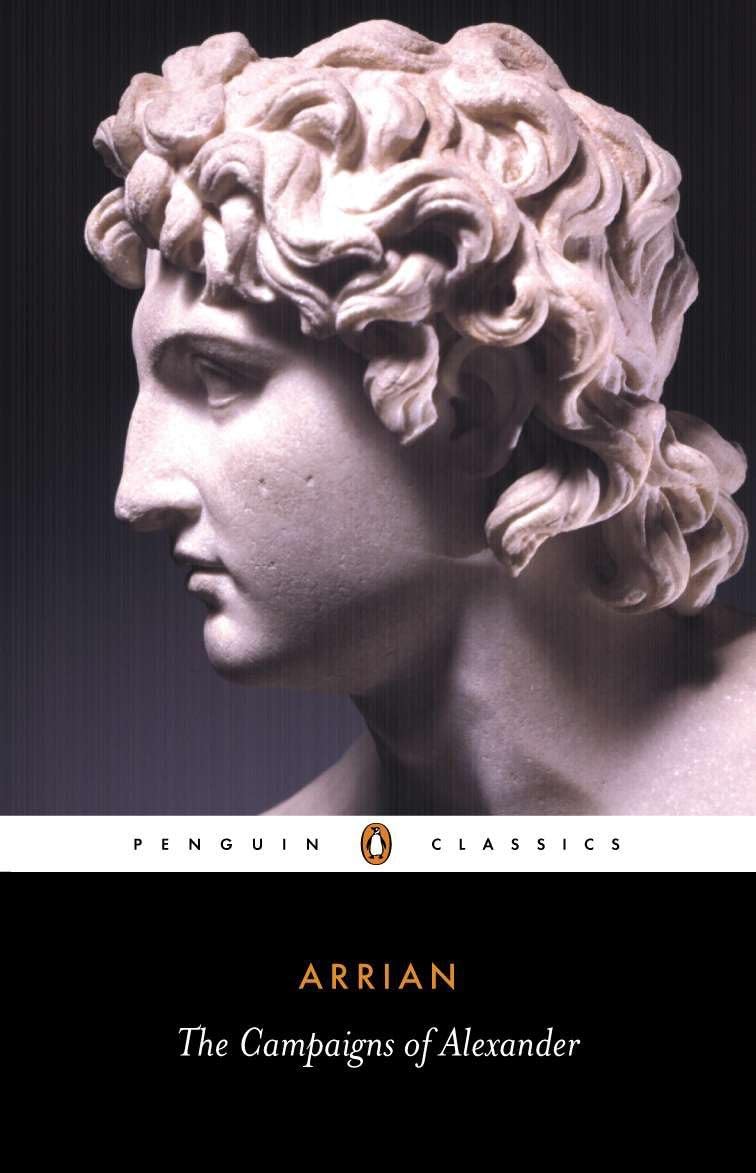
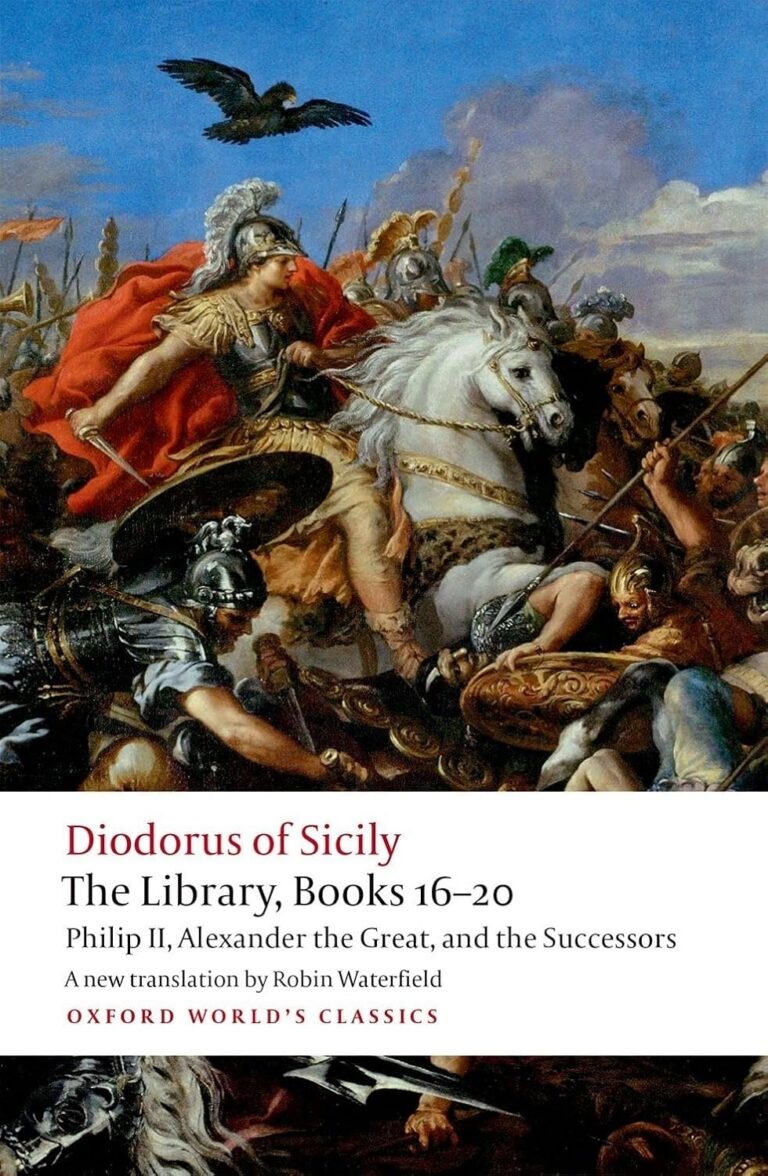
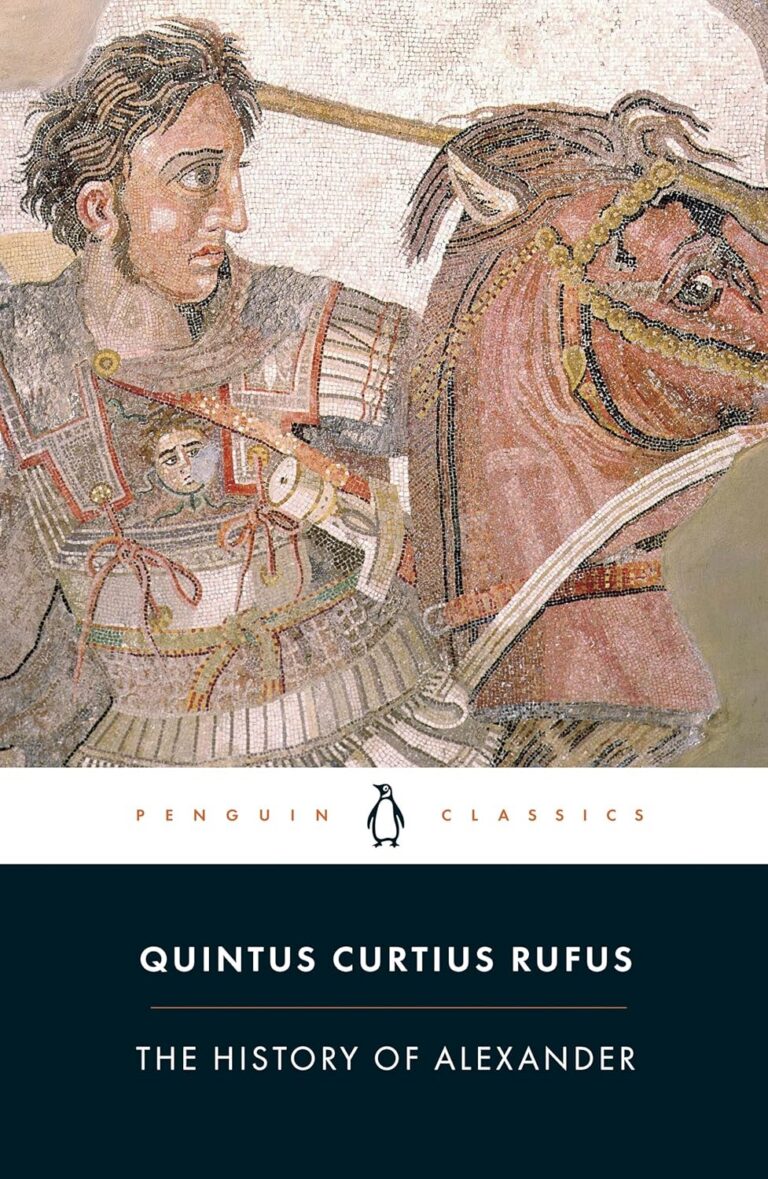
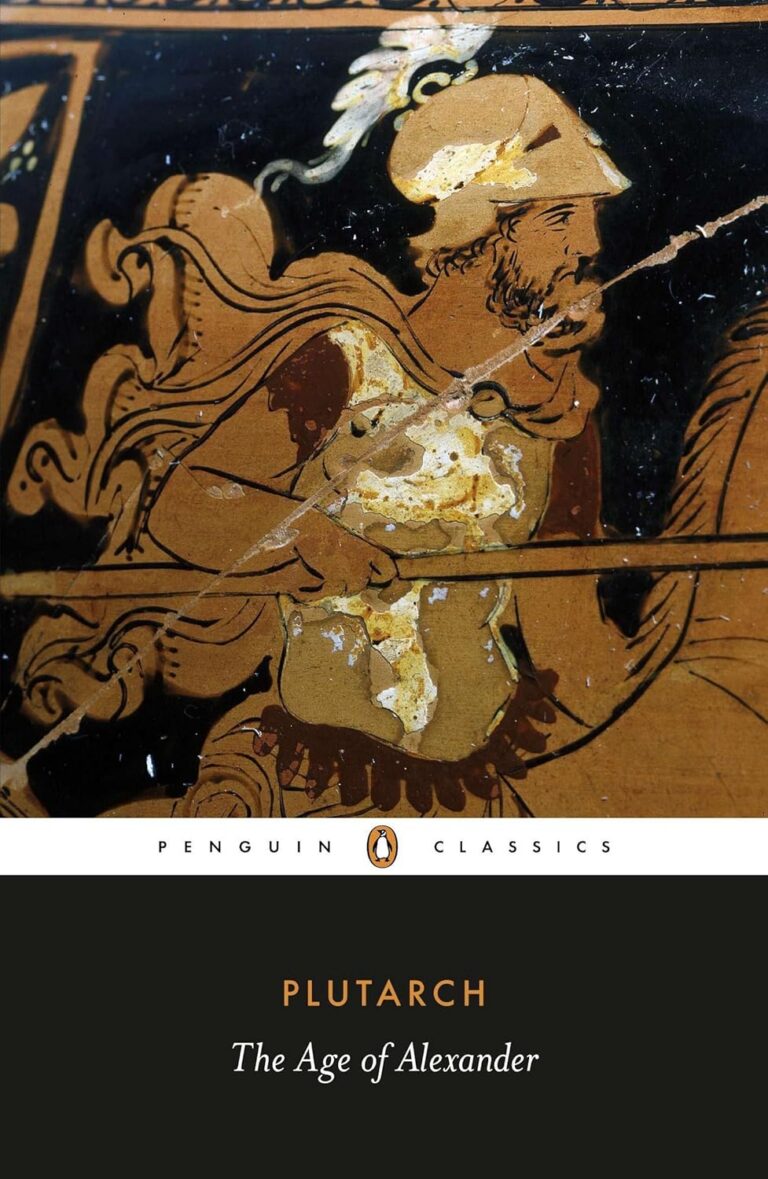
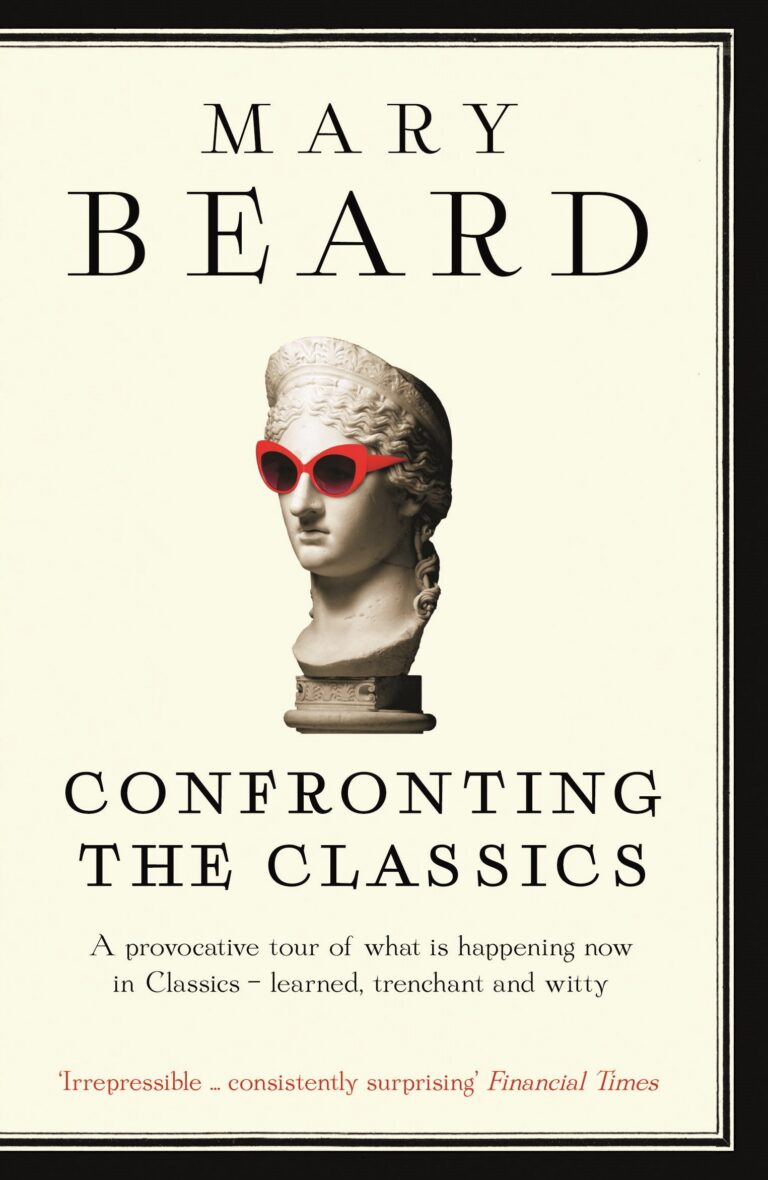
In non-fiction, Alexander the Great is discussed in Mary Beard’s Confronting the Classics, Diodorus Siculus’s The Library, Books 16-20, Quintus Curtius Rufus’s The History of Alexander, Plutarch’s The Age of Alexander, and Arrian’s The Campaigns of Alexander. In Mary Beard’s Confronting the Classics, its subjects range from Greek drama, Roman humour and the palace at Knossos to Alexander the Great, Cleopatra, Nero, Boudica and the lives of enslaved people.