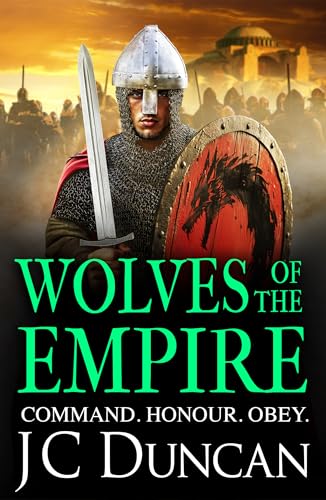
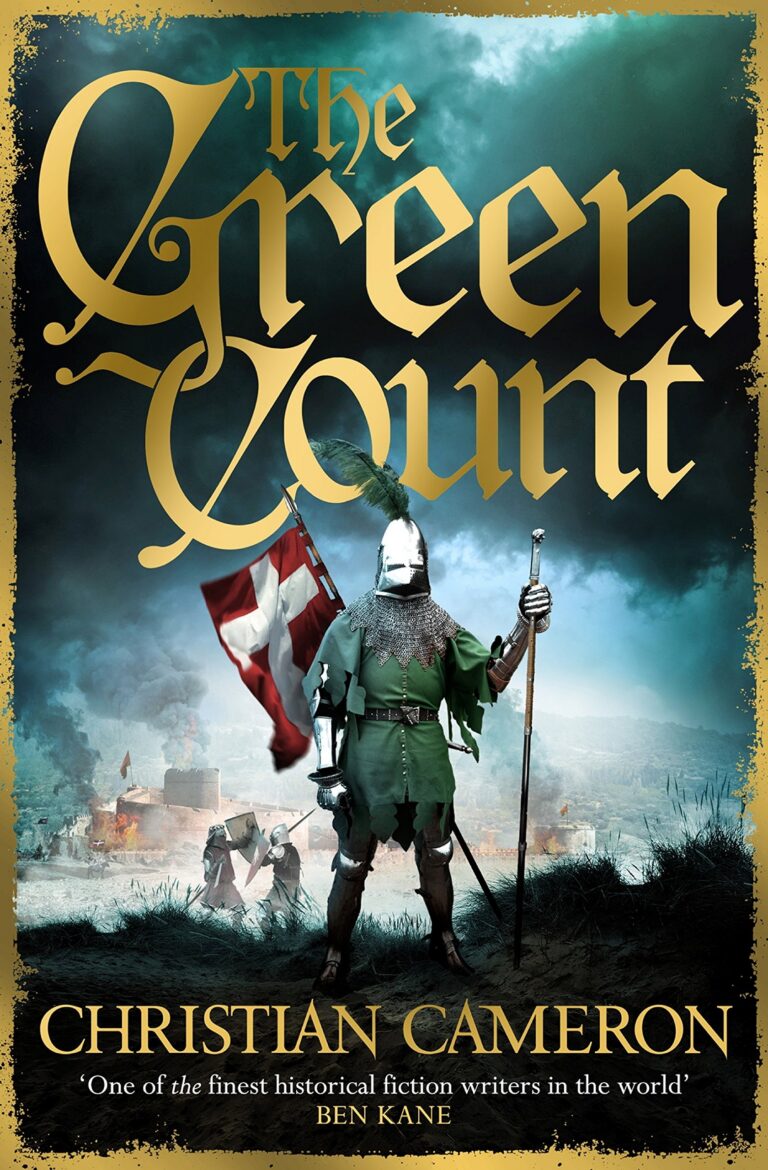
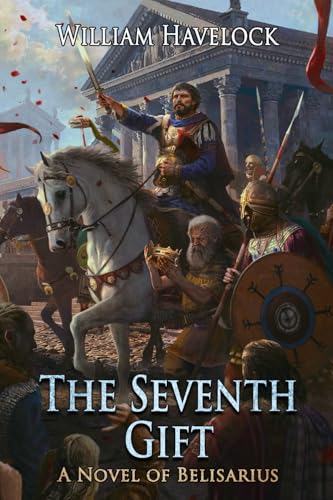
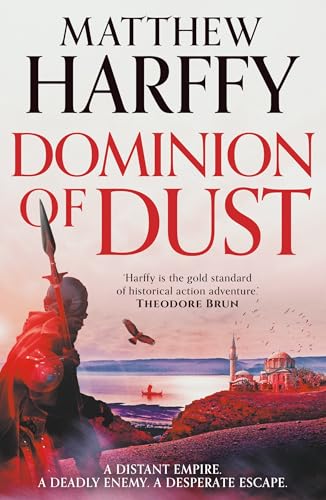
Books
30 Best Novels About the Byzantine Empire
Bestselling authors first, then star rating.

As an Amazon Associate, I earn from qualifying purchases. This means if you click on a link and make a purchase, I may receive a small commission at no extra cost to you.
Period
330–1453 CE
The Byzantine Empire centred on Constantinople and preserved eastern Roman imperial government long after the fall of the western empire. It combined Roman law, Greek culture, Orthodox Christianity, court ceremony, military frontiers, and diplomacy with neighbours from the Balkans, steppe, Persia, the Islamic world, and the West. Its long history included recovery, crisis, crusader attack, and final conquest by the Ottomans.
The empire matters because it complicates any simple idea of the medieval world as only western European. Byzantine politics linked emperors, generals, monks, merchants, eunuchs, empresses, and foreign powers in a highly sophisticated state. Its survival shaped Christianity, trade, art, warfare, and the balance between Europe and Asia.
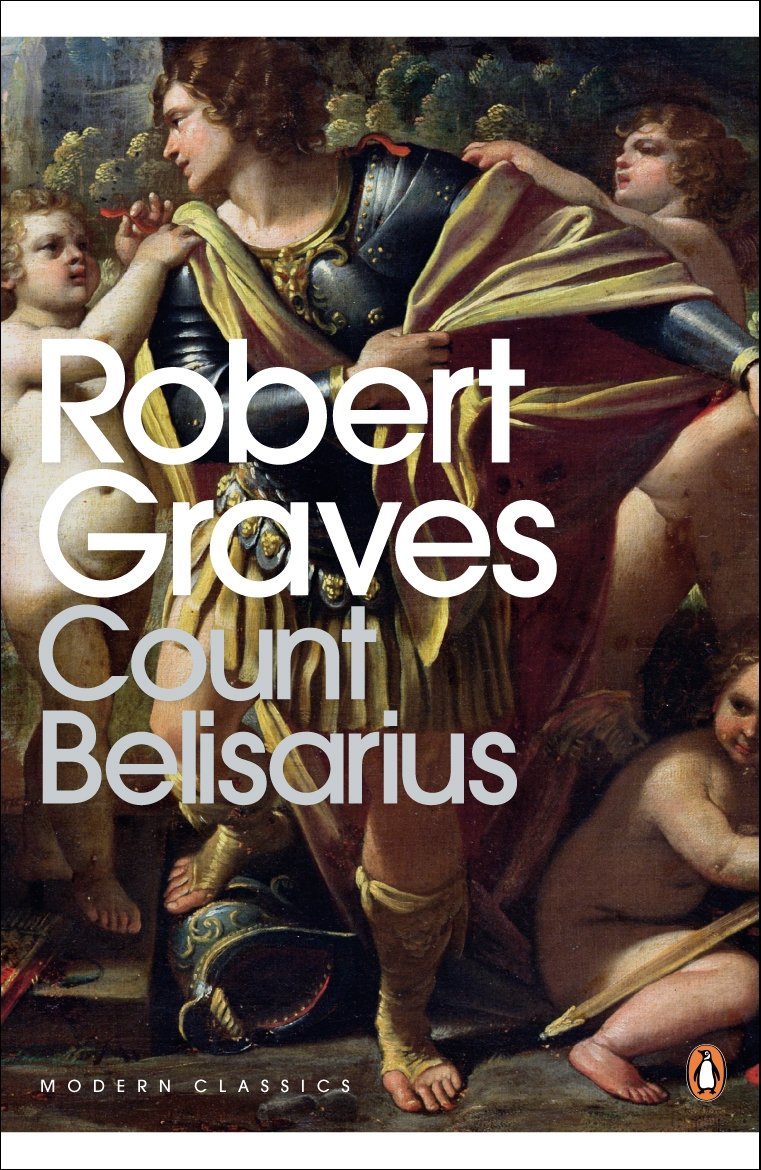
Cecelia Holland’s Byzantine fiction, Robert Graves’s Count Belisarius, and novels about Theodora, Justinian, crusaders, and Constantinople use the empire’s courtly and military drama. Byzantine settings suit books about palace intrigue, frontier generals, religious argument, spies, merchants, and the slow pressure of imperial decline.
Books
Bestselling authors first, then star rating.
Non Fiction
Histories, biographies and reference works are listed separately from the historical novels above.