William R. Forstchen is an American historian and novelist whose work ranges from military history and historical fiction to science fiction and speculative thrillers. He holds a PhD in history from Purdue University, specialising in military history and the history of technology, and has taught history at Montreat College in North Carolina. His independent fiction includes We Look Like Men of War, about African-American soldiers during the American Civil War, and the bestselling One Second After series, which imagines the consequences of an electromagnetic-pulse attack on the United States. Newt Gingrich (born 1943) is an American historian, author and former politician who served for twenty years in the U.S. House of Representatives and was Speaker of the House from 1995 to 1999. He and Forstchen have collaborated extensively on novels that combine military history with fictional or alternative versions of major American conflicts.
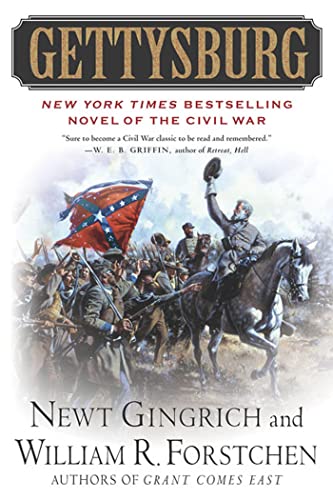
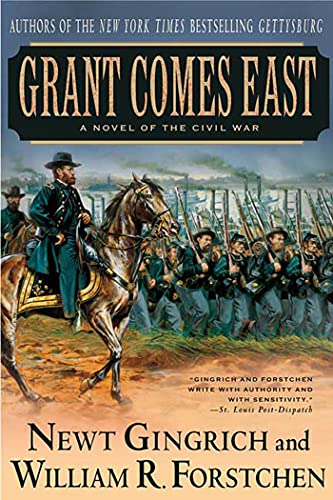
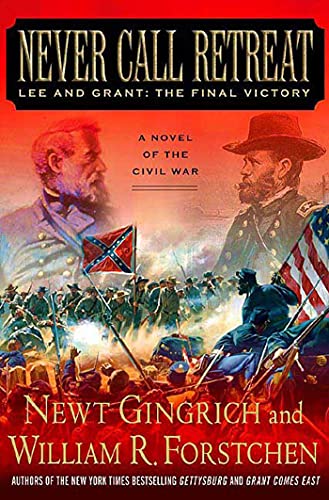
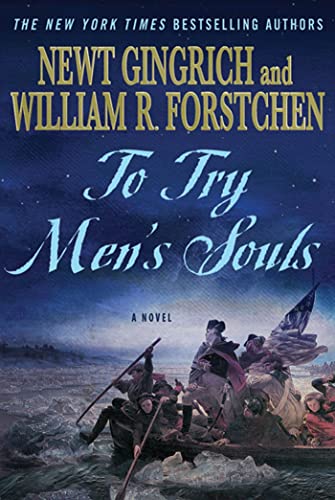
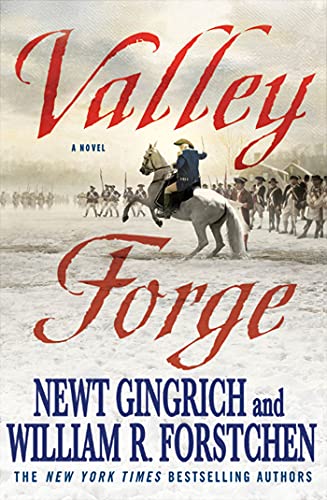
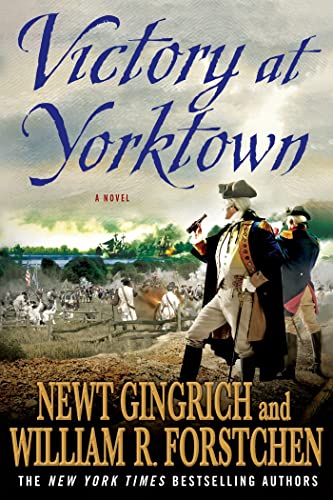
Their Gettysburg Trilogy—Gettysburg, Grant Comes East and Never Call Retreat—reimagines the American Civil War from the point at which Robert E. Lee makes different decisions during the Gettysburg campaign, creating an alternative sequence of battles while retaining figures such as Lee, Ulysses S. Grant and Abraham Lincoln. The Pacific War novels, Pearl Harbor and Days of Infamy, similarly ask how the Second World War might have developed had Admiral Isoroku Yamamoto personally commanded the Pearl Harbor operation and authorised further attacks on Hawaii. Their George Washington trilogy is closer to conventional historical fiction: To Try Men’s Souls depicts Washington’s crossing of the Delaware and the Battle of Trenton, Valley Forge follows the Continental Army through the winter of 1777–78, and Victory at Yorktown culminates in the decisive 1781 campaign against Cornwallis. Across these books, Gingrich and Forstchen concentrate on battlefield command, logistics, political decision-making and the consequences that individual choices can have on the course of a war.

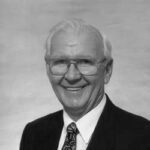 Gilbert Morris
104 books
Gilbert Morris
104 books
 Jeff Shaara
21 books
Jeff Shaara
21 books
 Christopher Nicole
49 books
Christopher Nicole
49 books
 Barbara Hambly
36 books
Barbara Hambly
36 books
 Ann Rinaldi
19 books
Ann Rinaldi
19 books