Karl Marlantes (born 1944) is an American novelist, memoirist and decorated Vietnam War veteran whose writing examines combat, moral responsibility and the psychological consequences of violence. Born in Astoria, Oregon, he graduated from Yale University and became a Rhodes Scholar at University College, Oxford. He left Oxford to serve on active duty with the U.S. Marine Corps in Vietnam, where he commanded Marines in combat and received decorations including the Navy Cross, Bronze Star, two Navy Commendation Medals for valor and two Purple Hearts. His experiences in Vietnam became the foundation for much of his later writing. He spent decades working on his first novel before its eventual publication, and his nonfiction book What It Is Like to Go to War subsequently examined more directly the spiritual, emotional and moral problems faced by soldiers before, during and after combat.
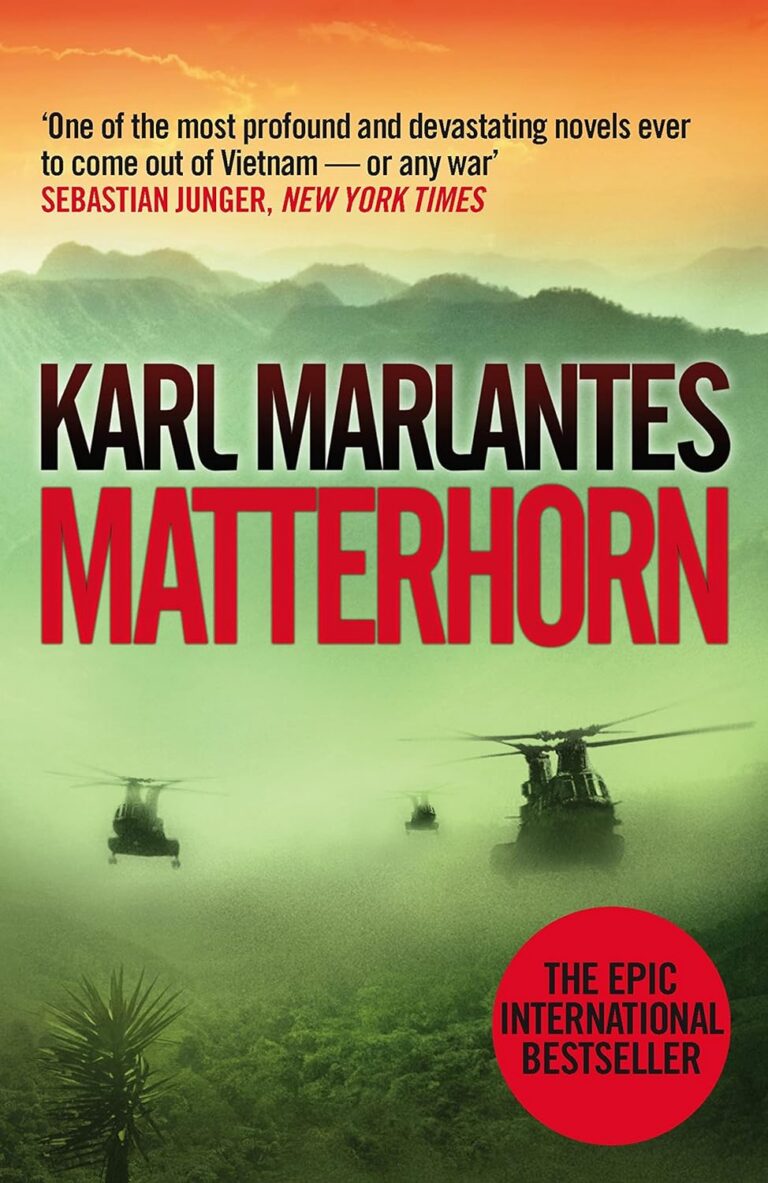
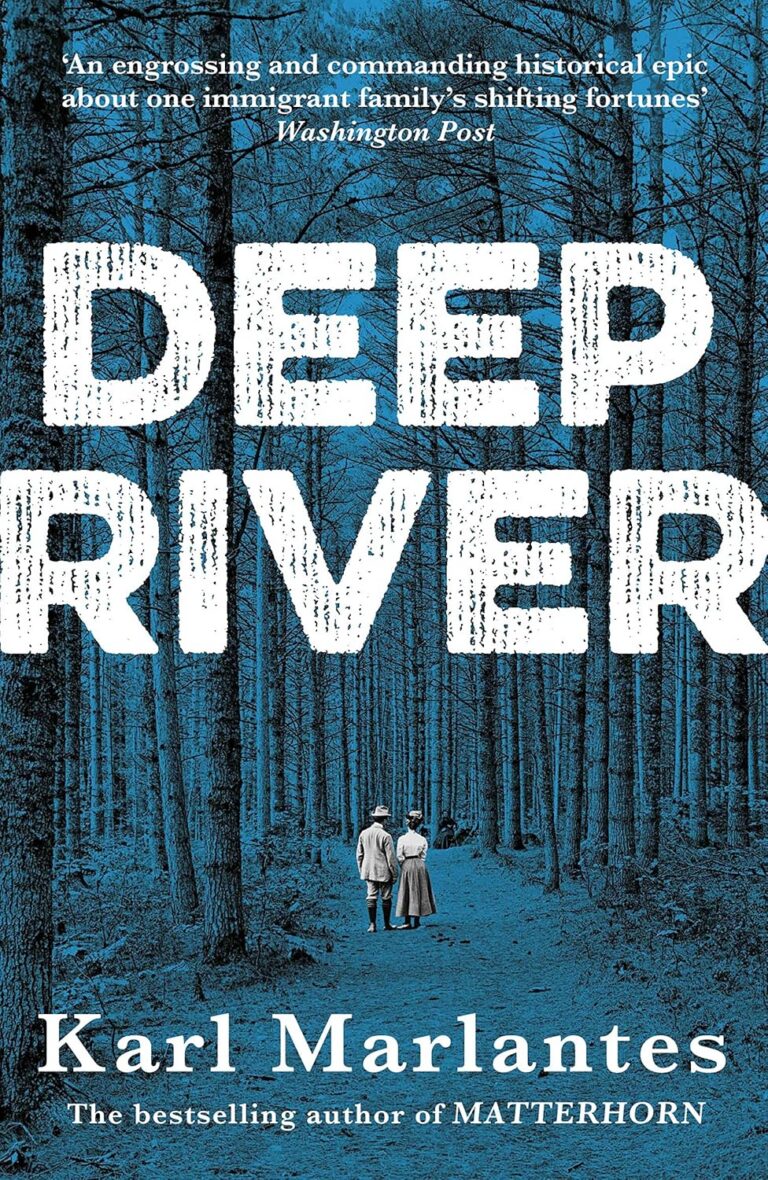
Marlantes’s best-known novel, Matterhorn, is set among U.S. Marines fighting in Vietnam and draws extensively on his own wartime experience, depicting jungle warfare, racial tension, military bureaucracy and the intense loyalties formed within a combat unit. Deep River moves back to the early twentieth century and follows Finnish immigrants who settle in the logging country of the Pacific Northwest, placing family history against labour disputes, dangerous industrial work and the radical union movement. His later novel Cold Victory is set in Finland in 1947, at the beginning of the Cold War, and centres on an American military attaché, a Finnish officer and a hazardous cross-country ski race whose political significance grows as Finland struggles to preserve its independence beside the Soviet Union. Together, these novels show Marlantes using warfare and political conflict to examine loyalty, courage, ideology and the personal cost of historical upheaval.


 Gilbert Morris
104 books
Gilbert Morris
104 books
 Ken Follett
16 books
Ken Follett
16 books
 Jeffrey Archer
18 books
Jeffrey Archer
18 books
 Sebastian Faulks
14 books
Sebastian Faulks
14 books
 Neal Stephenson
11 books
Neal Stephenson
11 books