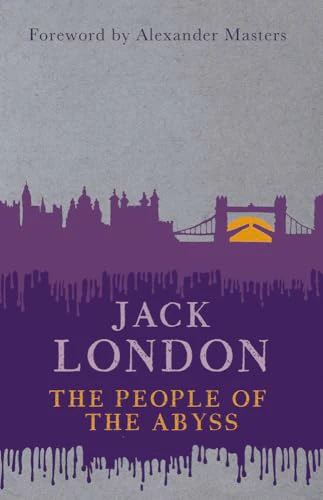
Jack London was an American novelist, journalist and adventurer whose fiction drew heavily on his experiences of poverty, manual labour, seafaring and travel. Born in San Francisco in 1876, he worked in factories, sailed with a sealing expedition and joined the Klondike Gold Rush before establishing himself as a professional writer. These experiences gave his stories a strong sense of physical danger and social inequality, while his interest in evolution and political theory shaped his recurring themes of survival, competition and individual endurance.
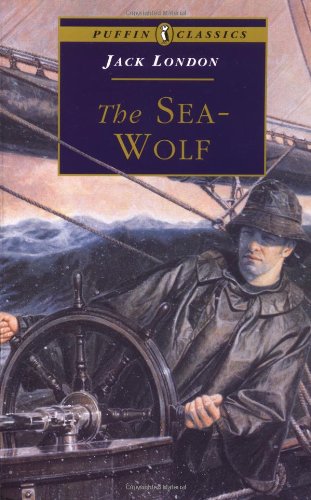
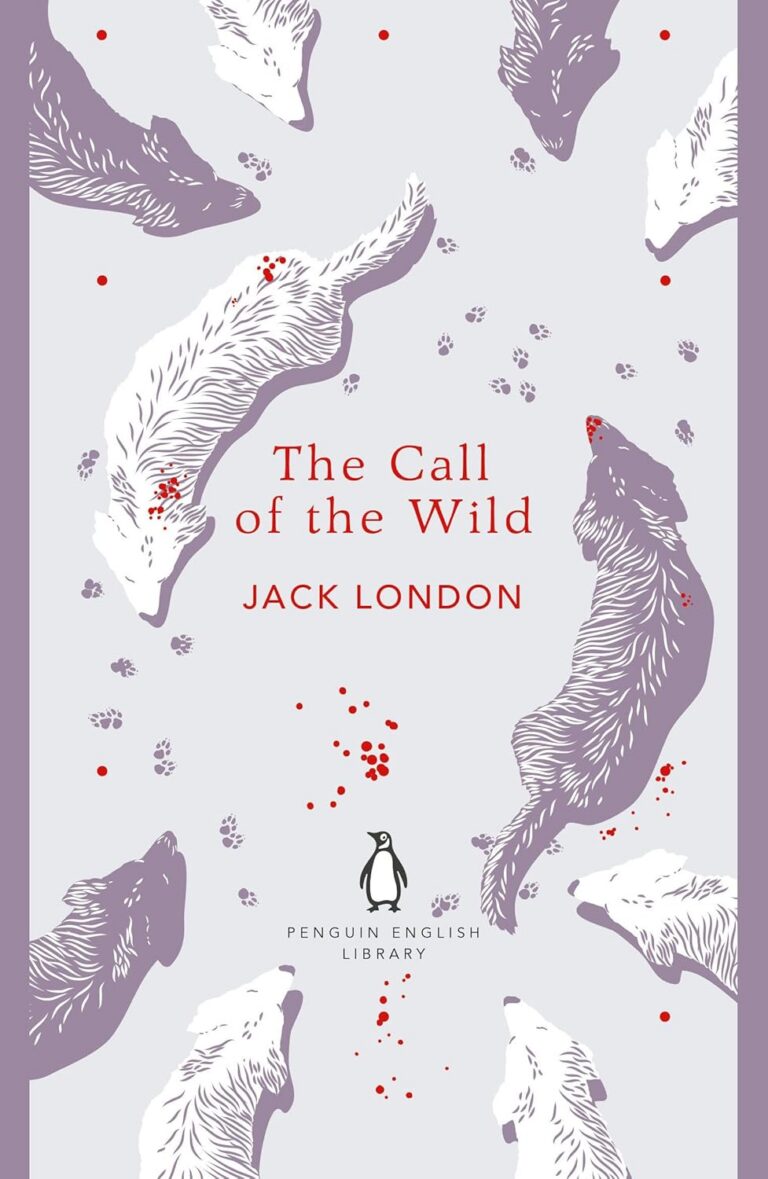
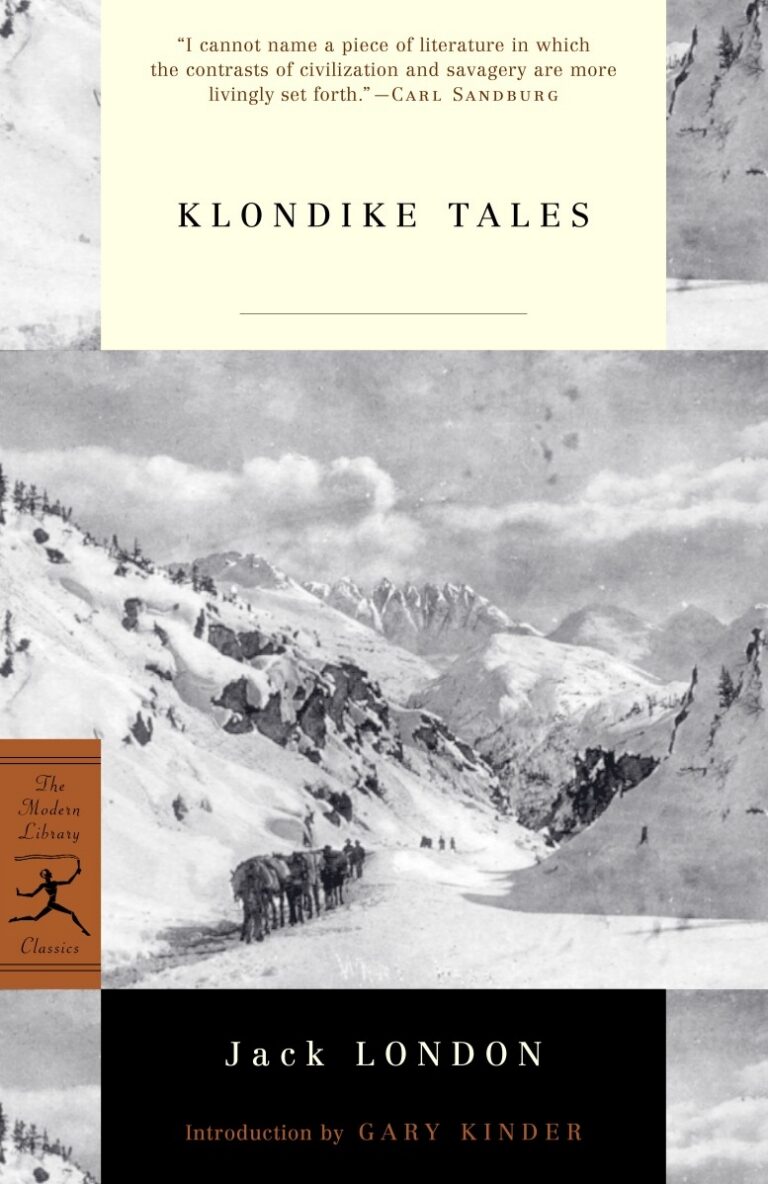
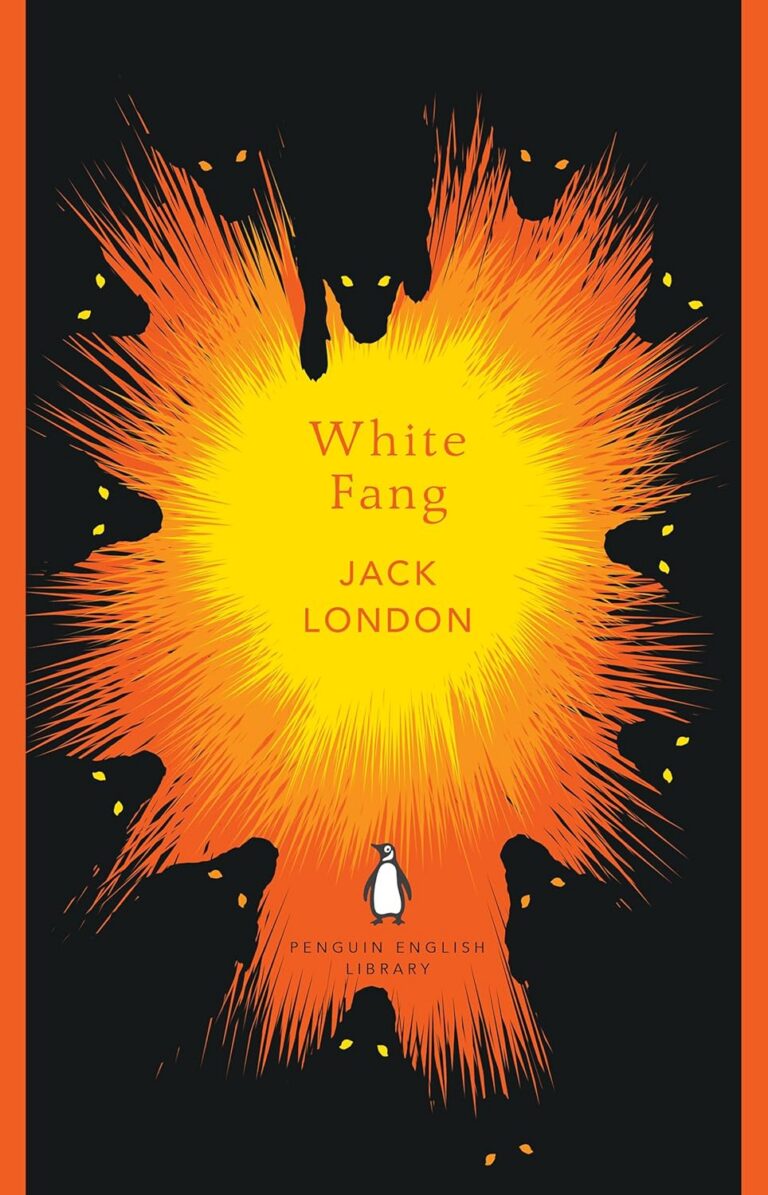
London is best known for The Call of the Wild, White Fang, The Sea-Wolf and Martin Eden. His Klondike stories portray prospectors, Indigenous communities, working animals and isolated settlements during the northern gold rushes, while his maritime fiction explores authority and violence aboard ships. He also wrote the dystopian political novel The Iron Heel and reported on conflicts including the Russo-Japanese War and the Mexican Revolution. London died in California in 1916, leaving a substantial body of adventure fiction that provides a vivid literary record of labour, expansion and social change around the turn of the twentieth century.

 David Field
46 books
David Field
46 books
 Jeffrey Archer
18 books
Jeffrey Archer
18 books
 John Boyne
14 books
John Boyne
14 books
 Lesley Pearse
13 books
Lesley Pearse
13 books
 Neal Stephenson
11 books
Neal Stephenson
11 books