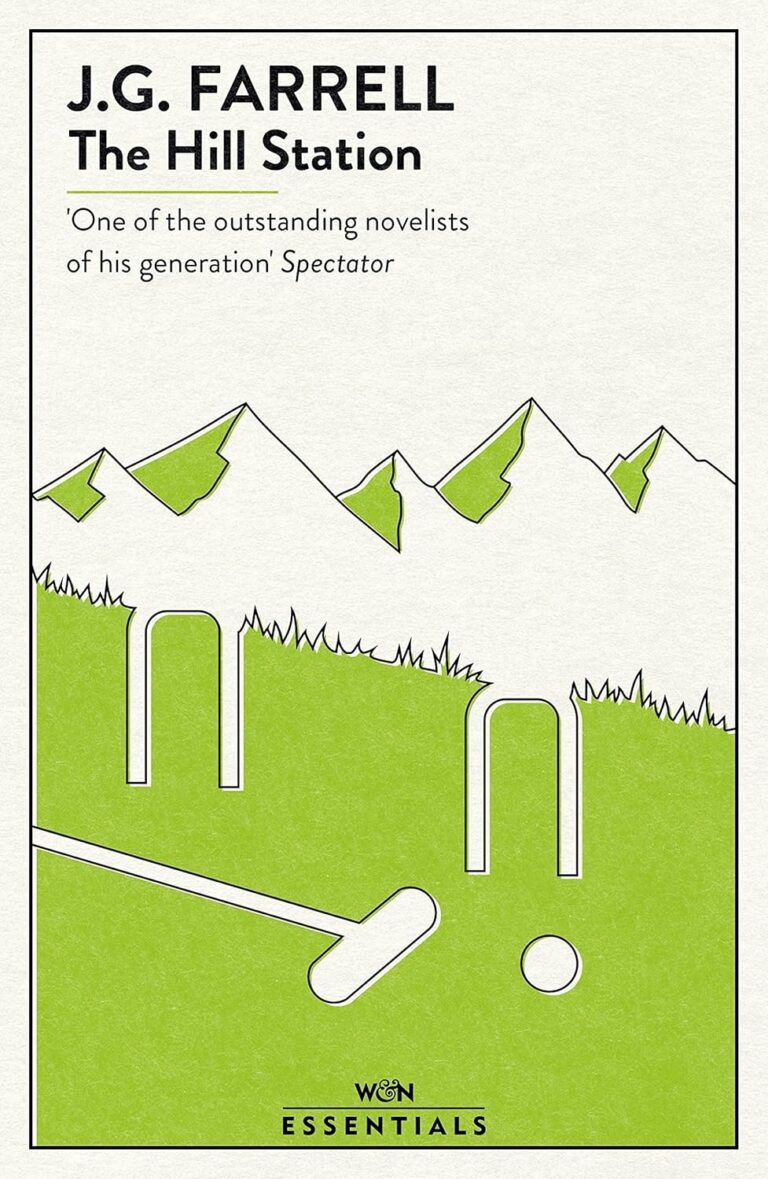
J. G. Farrell was an English-born novelist of Irish descent whose historical fiction examined the decline of British imperial power with irony, political insight and dark humour. Born James Gordon Farrell in Liverpool in 1935, he spent part of his childhood in Ireland and later studied at Brasenose College, Oxford. His early novels dealt with alienation, illness and institutional life, but he achieved lasting recognition through works that placed individual characters inside moments of colonial crisis. Farrell died in 1979 after being swept into the sea near his home in County Cork.
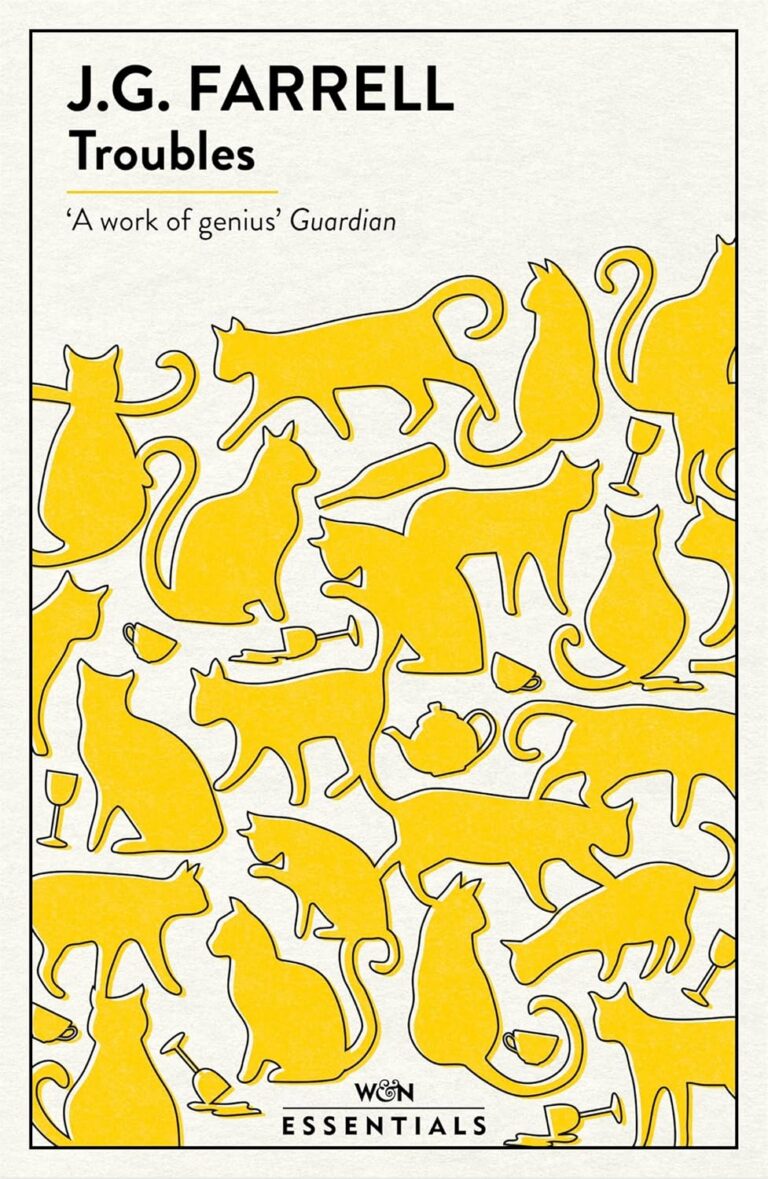
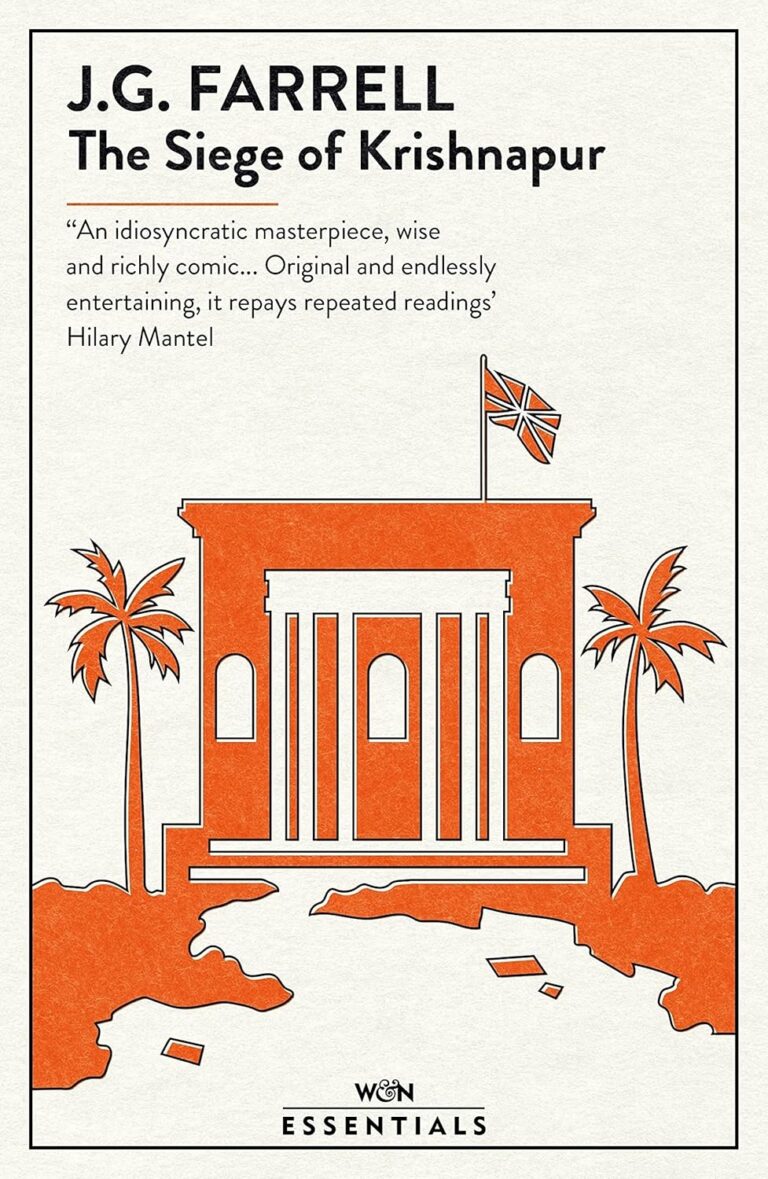
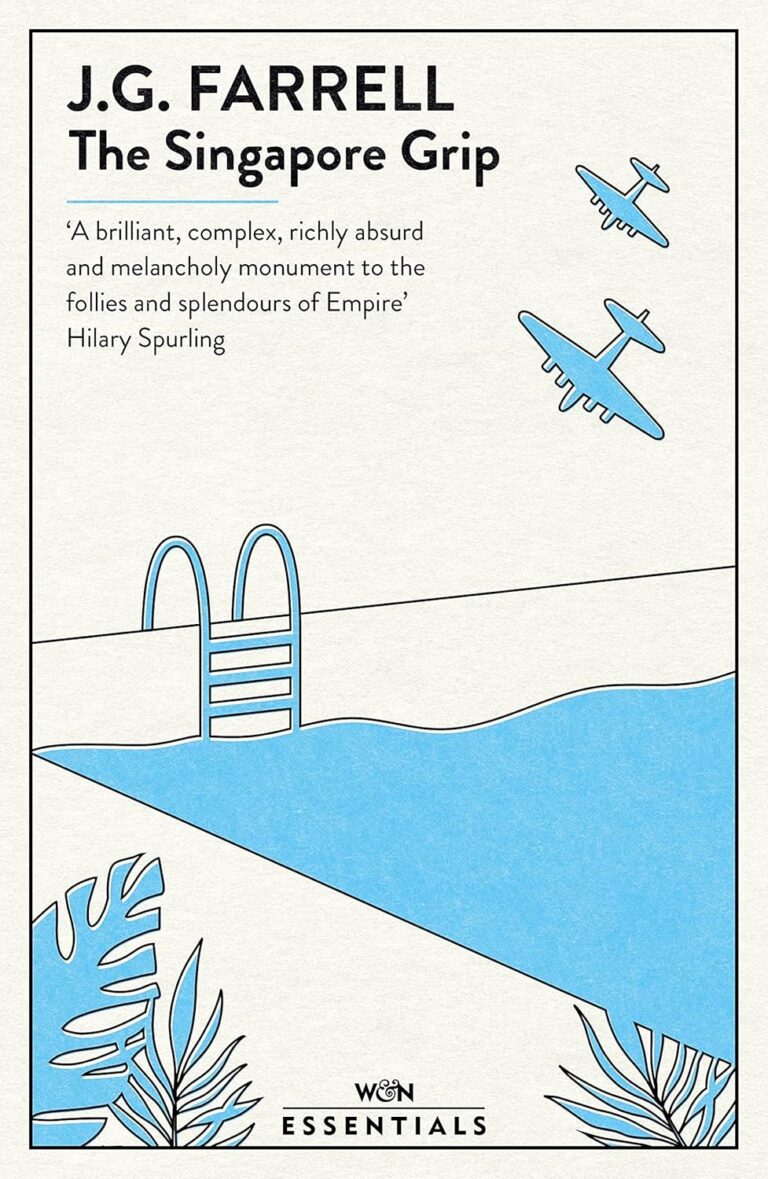
Farrell is best known for the loosely connected Empire Trilogy: Troubles, set during the Irish War of Independence; The Siege of Krishnapur, centred on the Indian Rebellion of 1857; and The Singapore Grip, which depicts the fall of British Singapore during the Second World War. The novels combine large historical events with eccentric characters, institutional complacency and close attention to the assumptions sustaining imperial rule. The Siege of Krishnapur won the Booker Prize, while Troubles was later awarded the Lost Man Booker Prize, confirming Farrell’s position as one of the most important British historical novelists of the twentieth century.

 M. M. Kaye
9 books
M. M. Kaye
9 books
 Agatha Christie
68 books
Agatha Christie
68 books
 Evelyn James
55 books
Evelyn James
55 books
 David Field
46 books
David Field
46 books
 Jacqueline Winspear
20 books
Jacqueline Winspear
20 books
 Jeffrey Archer
18 books
Jeffrey Archer
18 books