Books
6 Best Novels About Warlord Era in China
Bestselling authors first, then star rating.

As an Amazon Associate, I earn from qualifying purchases. This means if you click on a link and make a purchase, I may receive a small commission at no extra cost to you.
Phase
1916–1928 CE
After Yuan Shikai died in 1916, rival generals and military cliques controlled provinces, tax systems and armies while governments in Beijing changed through negotiation, coercion and coup. Alliances were personal and unstable, and commanders financed their forces through land revenues, forced loans, trade and control of transport routes.
The period was not one of complete political paralysis. Cities expanded, student and labour movements organised, and both Nationalists and Communists developed programmes for reunification and social change. The Northern Expedition launched in 1926 defeated or absorbed many regional rulers and allowed the Nationalist government to claim national authority by 1928, although militarised regional power remained important.
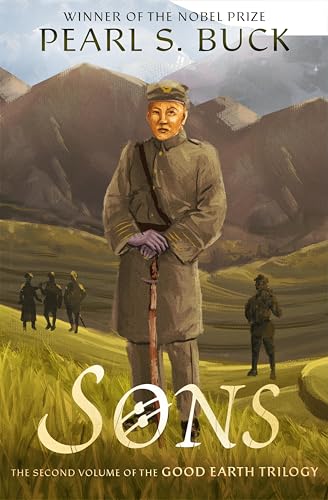
This context supports fiction about private armies, military households and families whose wealth becomes entangled with political violence. Pearl S. Buck’s Sons turns Wang Lung’s youngest son into a warlord, while A House Divided follows the next generation amid the revolutionary opposition to that military world.
Books
Bestselling authors first, then star rating.