Imperial China began with Qin unification in 221 BC and continued through successive dynasties until the fall of the Qing in 1912. The imperial system combined emperors, bureaucracy, Confucian learning, armies, agriculture, cities, trade and repeated cycles of unity and division. Its scale and continuity make it one of the largest historical settings for fiction.
It mattered because dynastic government shaped Chinese culture, law, education, family life and relations with neighbouring peoples for more than two millennia. The period also contains rebellion, court intrigue, invasion, frontier trade and foreign pressure. Fiction can move from palace and examination hall to village, river town, monastery, battlefield and treaty port.
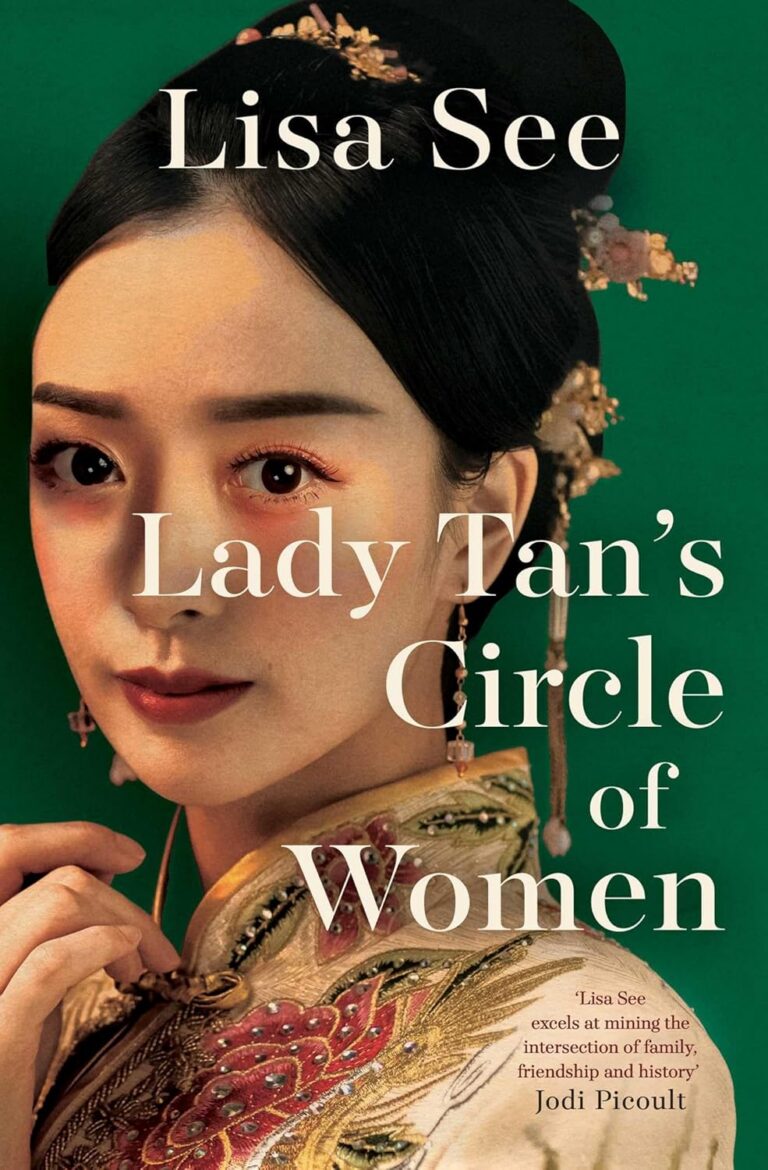
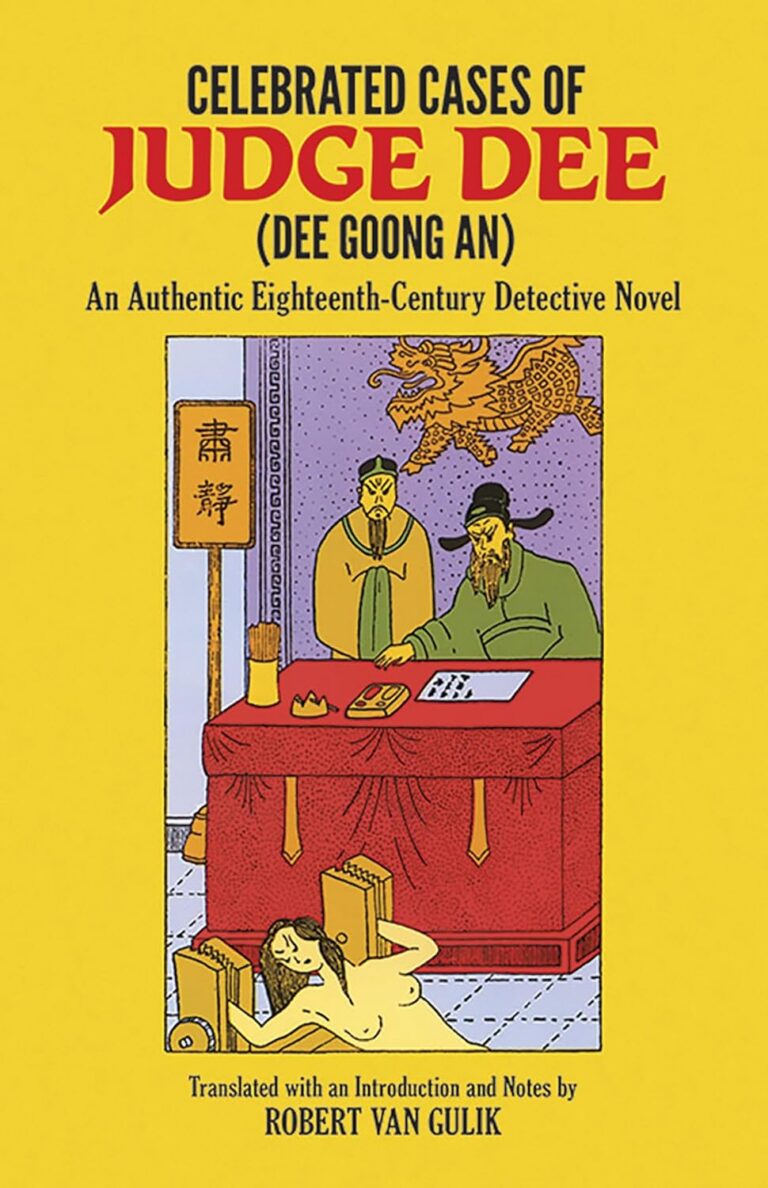
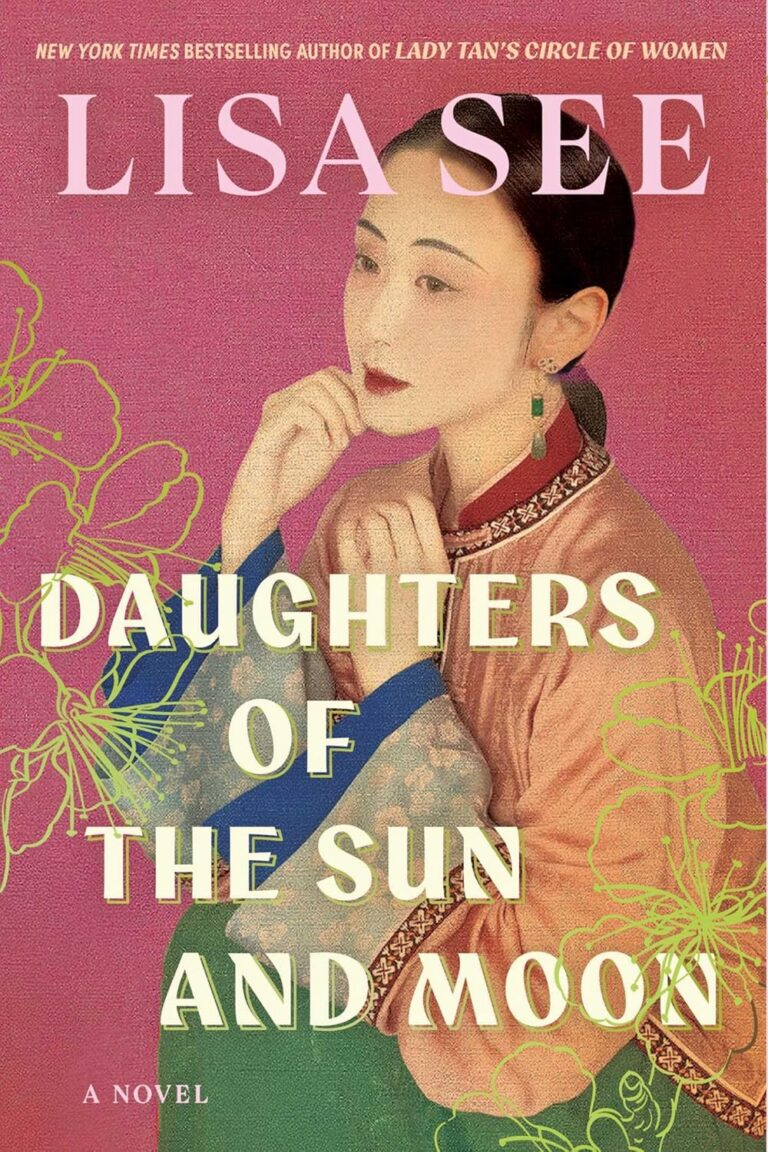
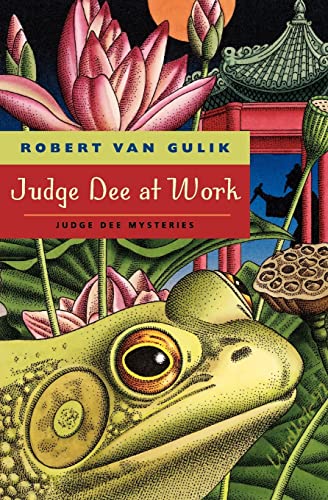
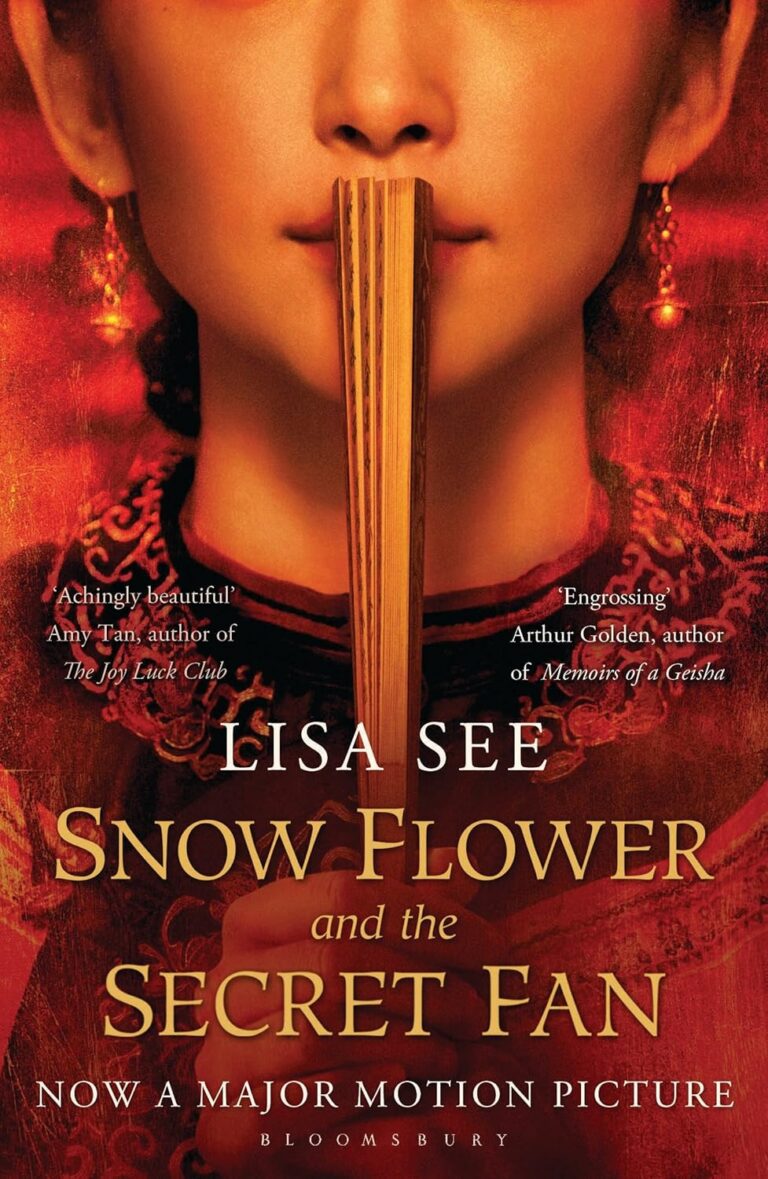
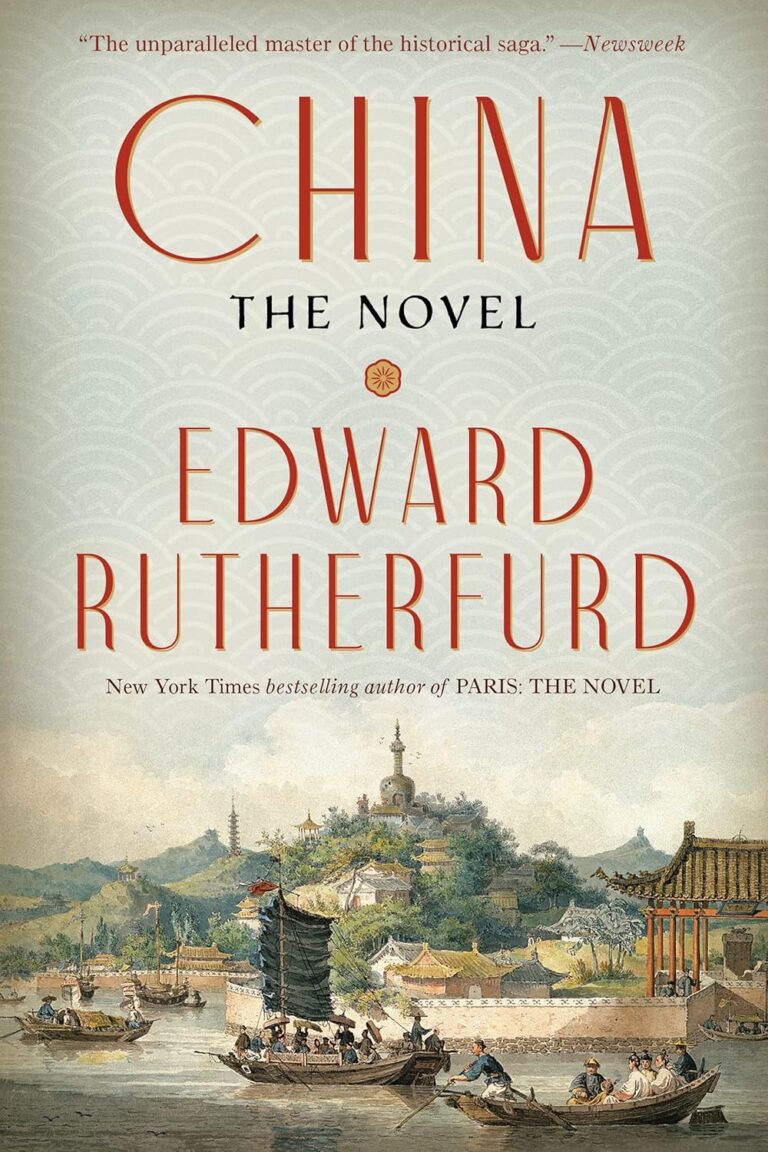
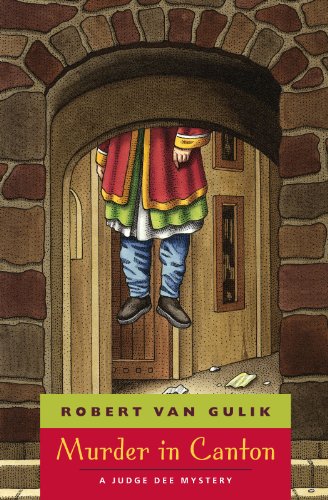
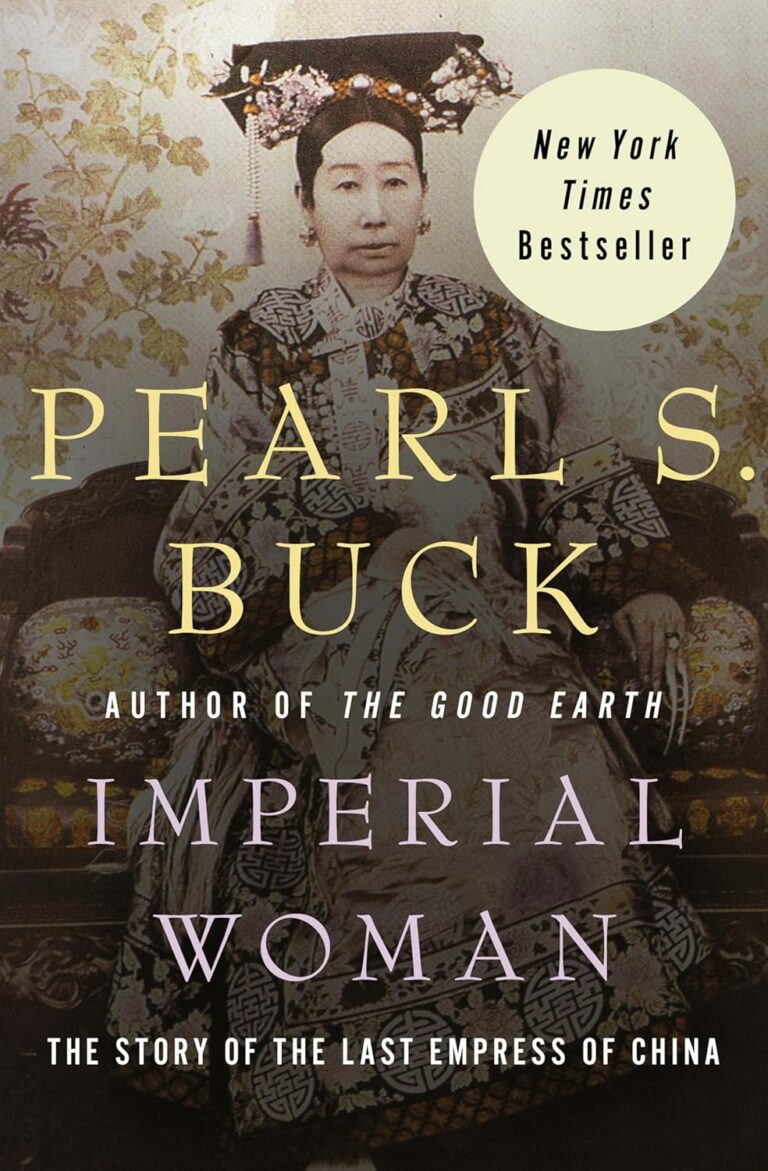
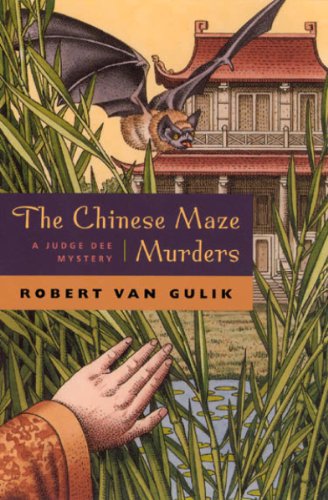
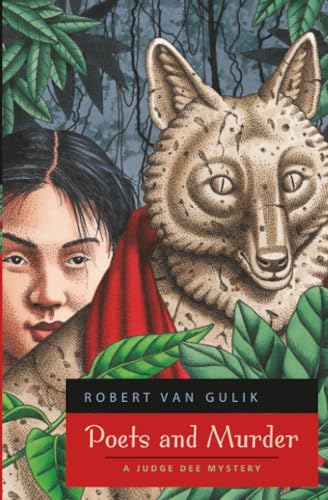
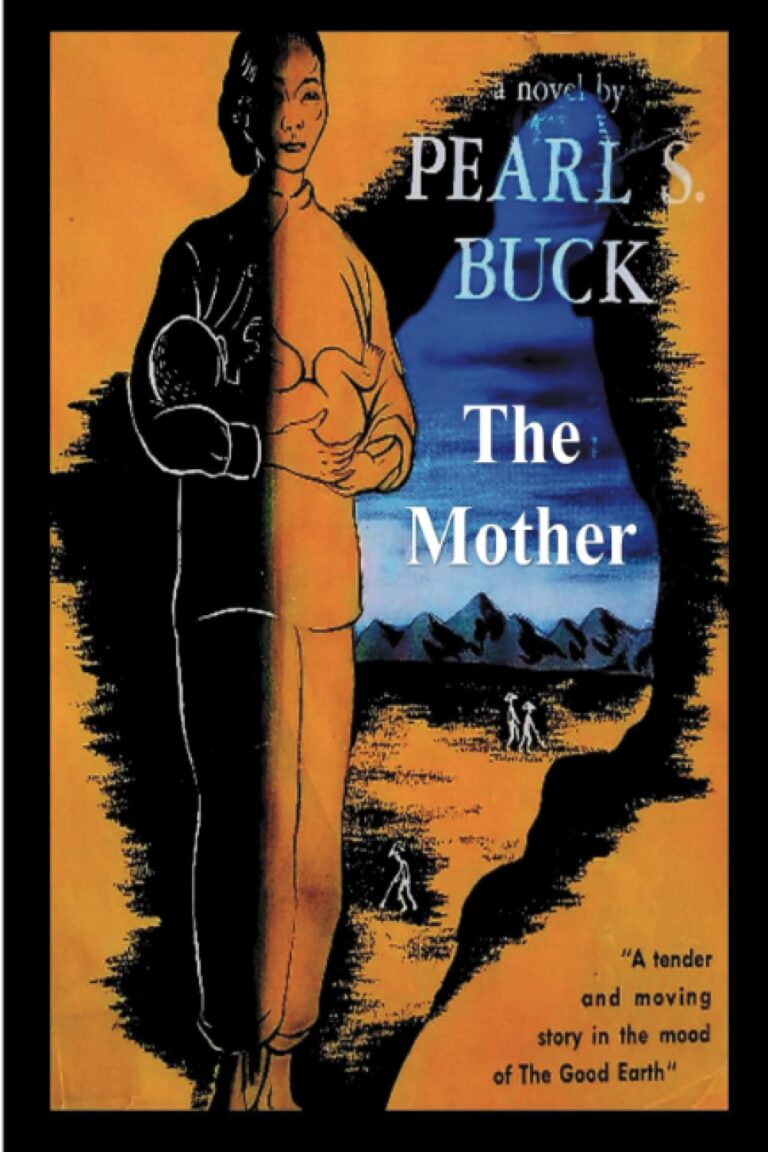
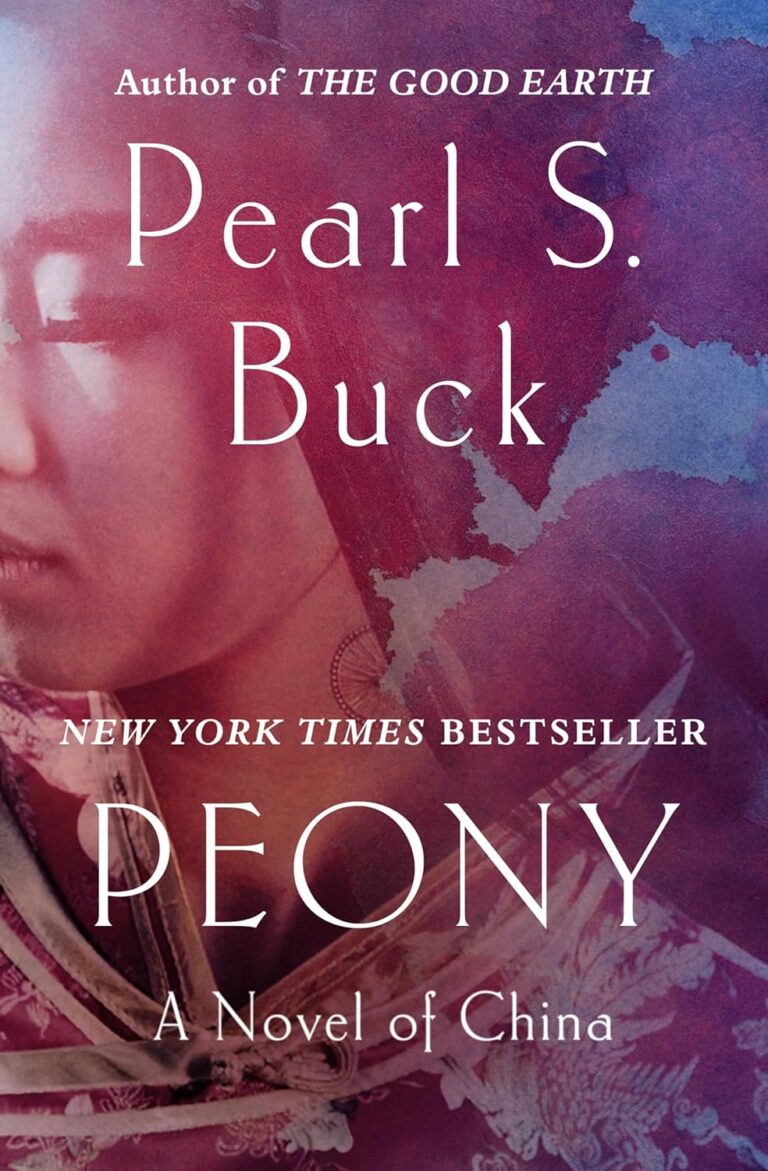
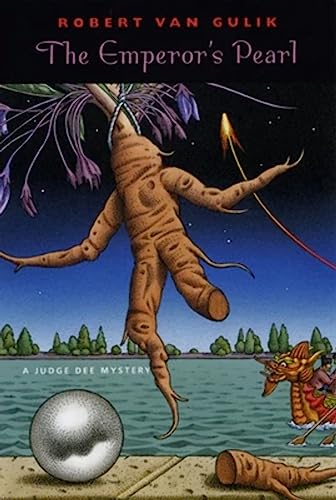
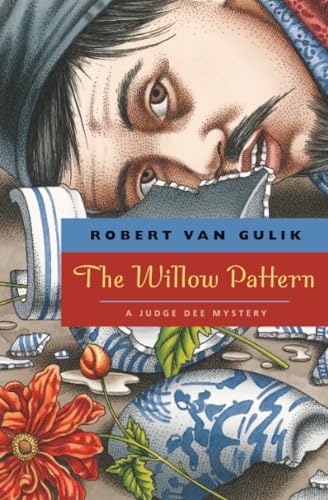
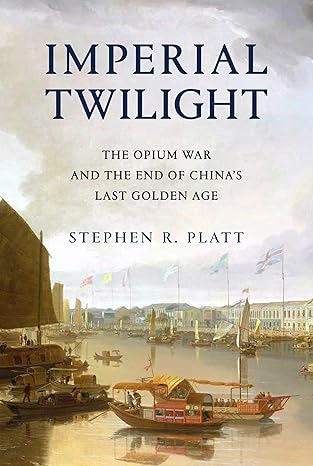
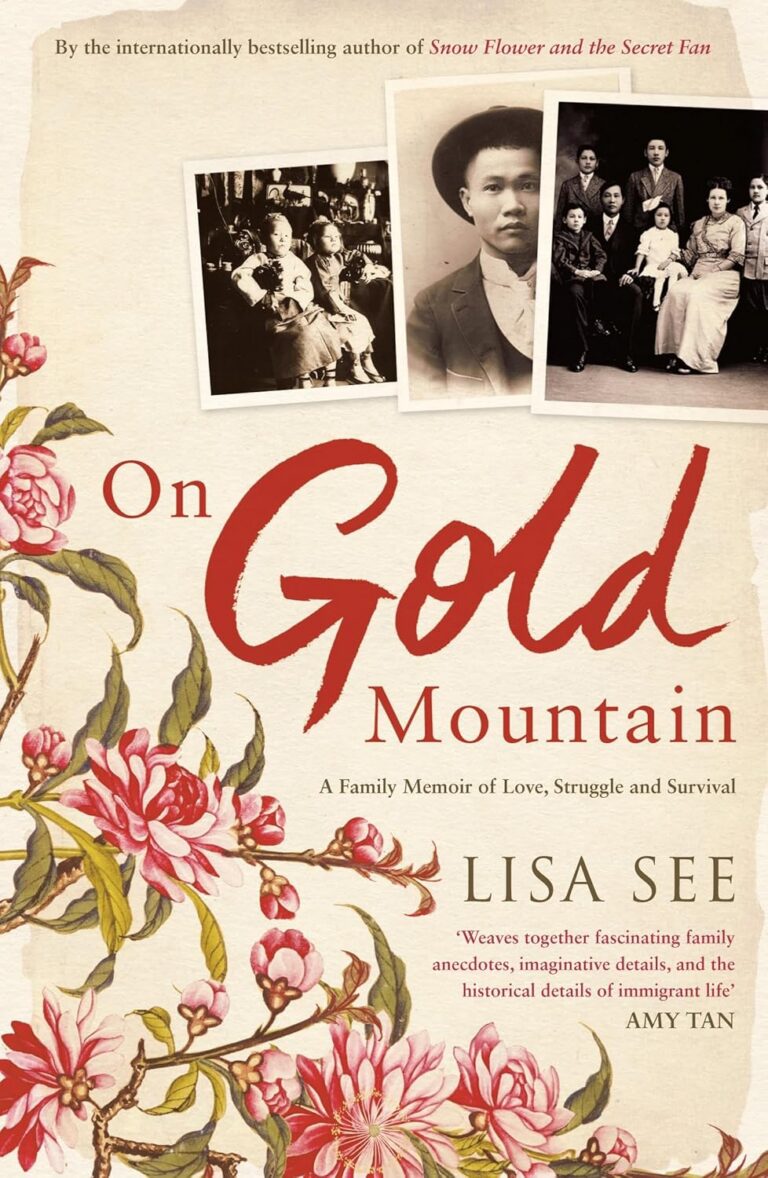
Imperial China supports fiction by Pearl S. Buck, Anchee Min, Lisa See, Robert van Gulik and writers using court, village, merchant and dynastic settings. Detective series, family sagas and court novels can all draw on emperors, mandarins, concubines, scholars, rebels and foreign traders. These pages should connect readers to novels about dynastic change, imperial examinations, palace life, opium, rebellion and the fall of the Qing.