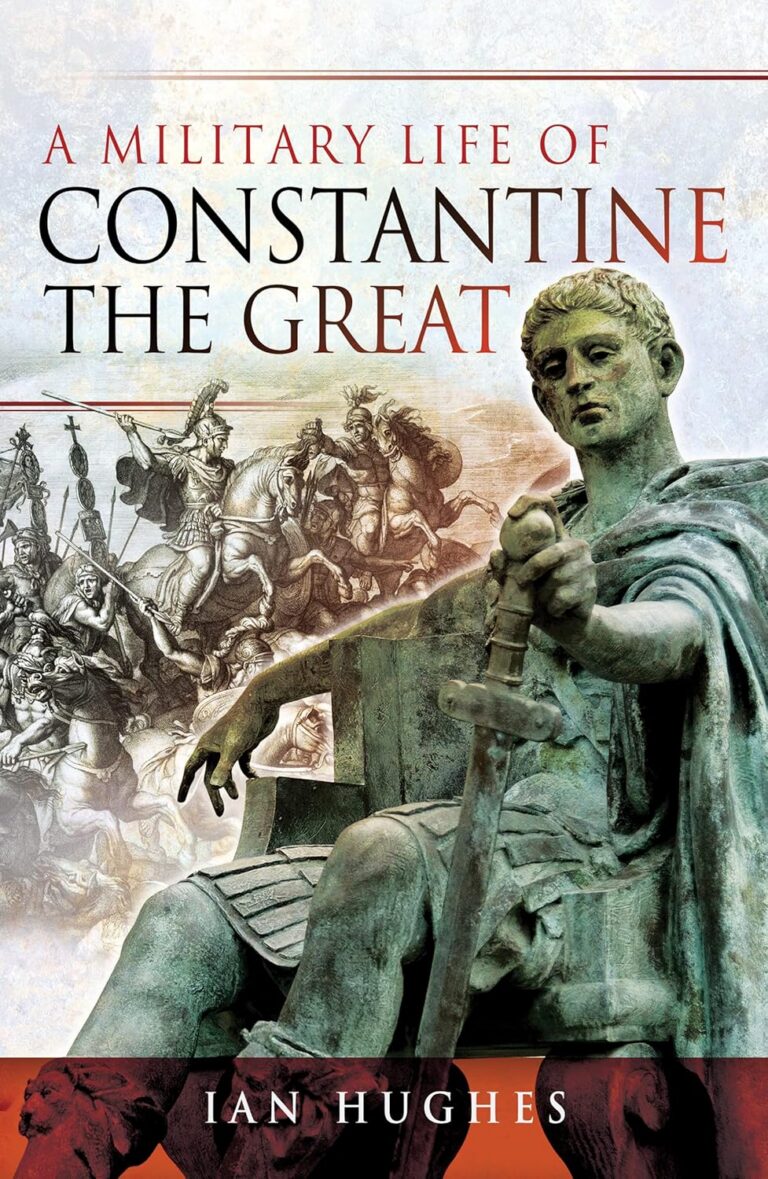
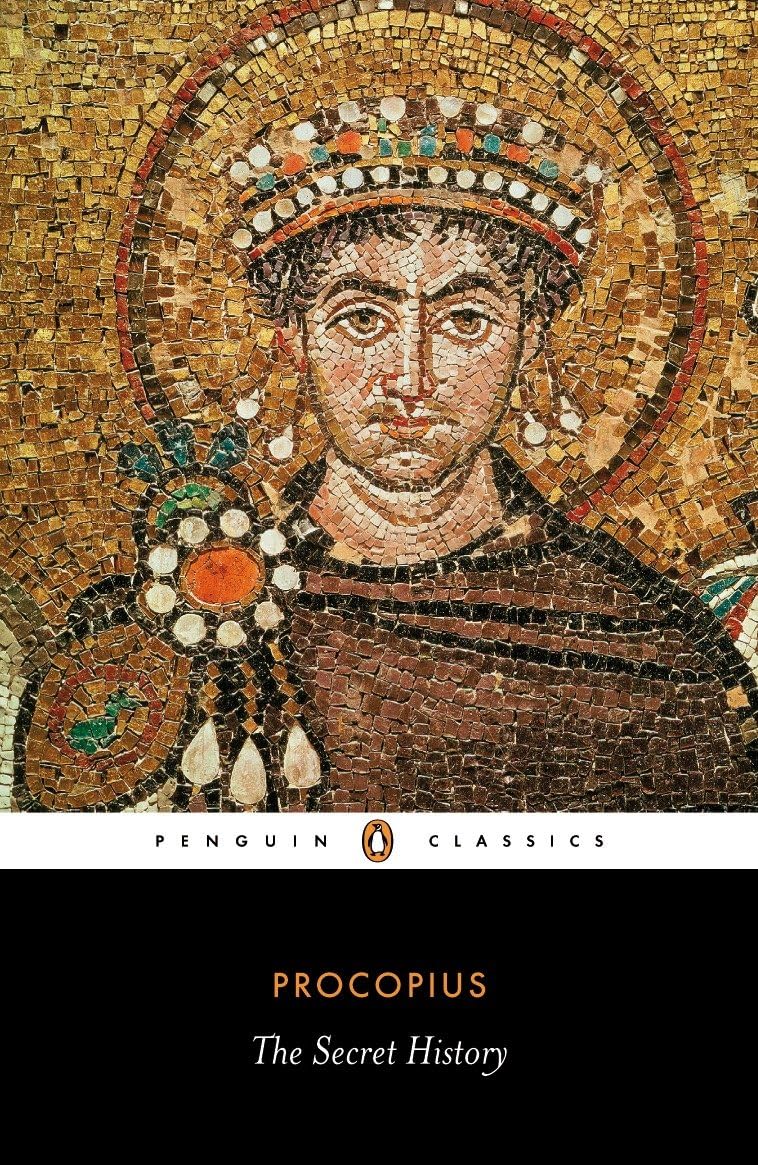
The Late Roman Empire is usually dated from Diocletian’s reforms in AD 284 to the fall of the Western Roman Empire in AD 476, though Roman rule continued in the east. It was marked by administrative restructuring, military pressure, Christianisation, imperial division, and the growing importance of frontier peoples inside Roman politics. The empire did not simply vanish; it changed shape under intense pressure.
This period matters because it shows Rome as both resilient and vulnerable. Emperors tried to solve problems of succession, defence, taxation, and religious unity, while Goths, Vandals, Huns, Persians, and internal rivals forced repeated military and political crises. The western empire eventually fragmented, but many Roman institutions, identities, and ambitions survived beyond the formal end.
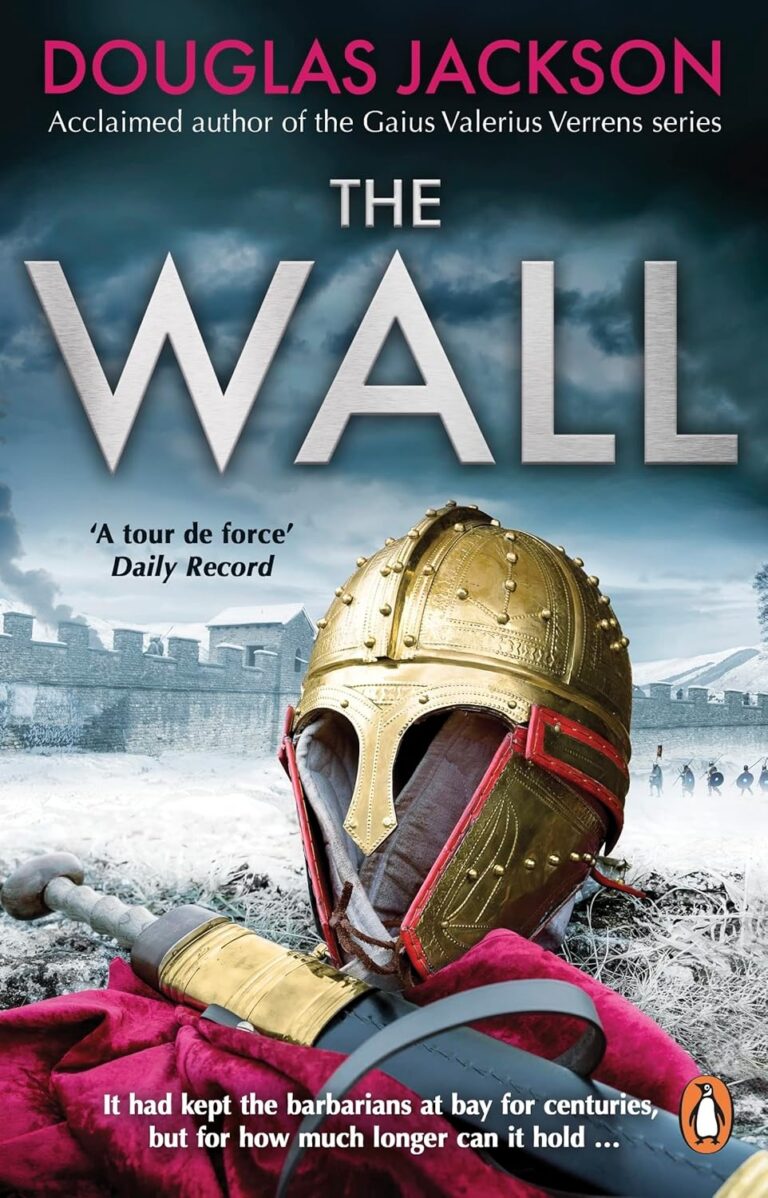
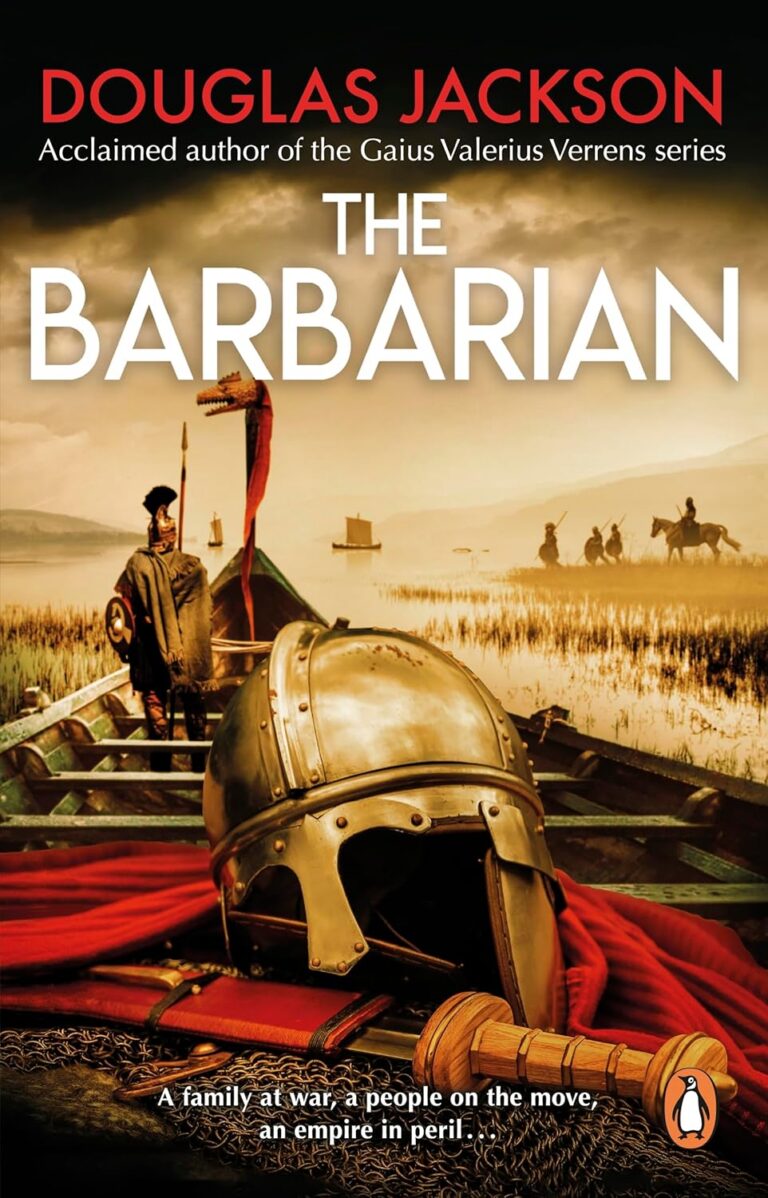
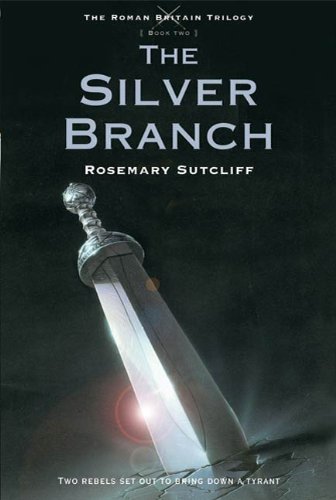
The Late Roman Empire is a strong setting for fiction about decline, survival, frontier pressure, and religious transformation. Harry Sidebottom’s Warrior of Rome series is especially relevant for the third-century crisis, while Rosemary Sutcliff’s later Roman Britain novels and Wallace Breem’s Eagle in the Snow show the emotional pull of a weakening empire. This period works well for reading lists about soldiers on exposed frontiers, Christianisation, barbarian diplomacy, imperial succession, and the end of the western empire.