War of 1812 sits within the wider Napoleonic Era and helps explain why the period generated so many different kinds of historical fiction. In simple terms, it was not only a military contest but also a struggle over territory, alliances, legitimacy, trade, occupation, and national survival. Its events shaped the lives of soldiers and civilians far beyond the immediate battlefield.
The War of 1812 gives historical fiction a North American Napoleonic-era setting involving Britain, the United States, Canada, Indigenous alliances, naval warfare, frontier fighting, and contested national identity. The war connects individual campaigns and battles into a wider pattern of military pressure, political uncertainty, and social disruption. Common story material includes command pressure, divided loyalties, supply problems, family separation, political uncertainty, battlefield experience, and the way large strategic decisions disrupt ordinary lives.
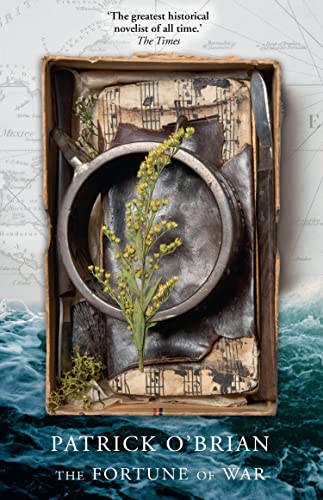
Specific fiction connections include Patrick O’Brian’s The Fortune of War within the Aubrey–Maturin series, Dewey Lambdin’s Alan Lewrie novels for the wider Royal Navy world, and Eric Flint’s Rivers of War series for an alternate-history approach to the American theatre. David Nevin’s 1812 also shows how the conflict can be treated through North American politics, frontier violence, naval action, and divided loyalties.